
How Many Steps a Day Do Women Over 40 Really Need?
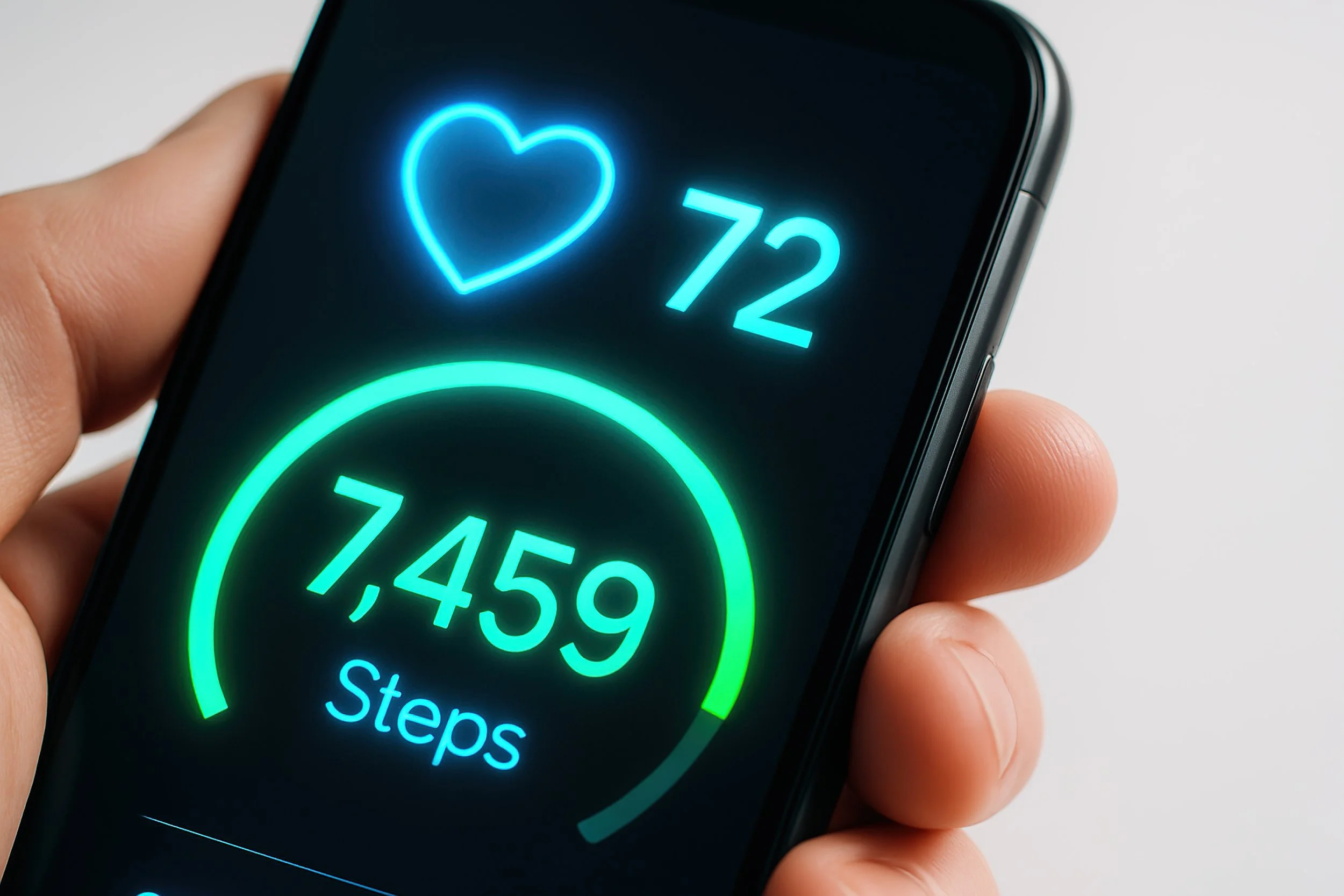
You finish the day with 6,200 steps on your watch. Instead of feeling pleased that you moved your body, you feel as though you have fallen short.
But have you?
The truth is that women over 40 do not necessarily need to complete 10,000 steps a day to support their health. Research suggests that significant benefits can occur at lower step counts, particularly when you increase your movement from a previously inactive starting point.
For women navigating perimenopause and menopause, this is welcome news. Changes in energy, sleep, mood, muscle mass, body composition and joint comfort can make rigid exercise targets difficult to maintain.
Walking should support your health not become another reason to feel that you are not doing enough.
Why is 10,000 steps a day the recommended target?
The familiar 10,000-step goal did not begin as an official health recommendation. It can be traced back to a Japanese pedometer marketed during the 1960s.
The number was simple, memorable and commercially successful. Over time, it became embedded in fitness trackers, workplace challenges and health campaigns. Walking 10,000 steps can certainly be beneficial if it suits your body and lifestyle. The problem arises when women believe that anything below this number does not count.
Your body does not suddenly begin responding to movement at step 10,000. Benefits accumulate as you become more active.

How many steps a day should women over 40 aim for?
There is no single step target that is right for every woman over 40.
A major 2025 systematic review and meta-analysis examined daily steps and several health outcomes. Compared with taking approximately 2,000 steps a day, reaching around 7,000 steps was associated with lower risks of premature death, cardiovascular disease, dementia, depression, falls and type 2 diabetes.
Benefits often continued beyond 7,000 steps, although the additional improvements became smaller for several outcomes.
This does not mean that 7,000 is the new number everyone must reach. It gives us a more realistic reference point and shows that you do not have to achieve 10,000 steps before your efforts become worthwhile. Earlier research involving 16,741 older women found that averaging approximately 4,400 steps a day was associated with a lower mortality rate than averaging around 2,700. The association continued to improve before levelling off at approximately 7,500 steps.
Another study involving middle-aged adults found that taking at least 7,000 steps a day was associated with a lower risk of premature mortality compared with taking fewer than 7,000.
These are observational findings. They demonstrate associations and do not prove that a specific number of steps will prevent disease. However, they deliver an encouraging message: increasing your movement from your current level can make a meaningful difference.
Why walking matters during perimenopause and menopause
Walking is accessible, free and easy to adapt to your fitness level. It also supports several aspects of health that become particularly important during midlife.
Walking supports metabolic health
Menopause does not automatically cause weight gain. However, declining oestrogen, ageing, reduced muscle mass, chronic stress and poor sleep can influence insulin sensitivity, appetite, fat distribution and energy expenditure.
Your muscles use glucose for energy while you walk. This is one reason why a short walk after eating can be particularly useful.
Research suggests that walking soon after a meal can help reduce the rise in post-meal blood glucose. This may support steadier energy and better blood sugar management.
A short post-meal walk works particularly well alongside nutrition and other strategies that help balance blood sugar during menopause.
Try taking a gentle ten-minute walk after lunch or dinner rather than feeling you must complete one long workout.
Walking alone is not a guaranteed weight-loss strategy. It works best as part of a wider approach that includes adequate protein, fibre-rich carbohydrates, healthy fats, restorative sleep, stress support and resistance training.
Walking supports heart health
A woman’s risk of cardiovascular disease increases with age and after menopause. Regular physical activity can support cardiovascular fitness, circulation, blood pressure and glucose regulation.
You do not need to complete all your steps in one session. Your daily total can include walking to the shops, taking the stairs, moving between meetings and going outside after dinner. These small movements are known as NEAT activities, which can support energy and weight management after 40.
Breaking up long periods of sitting is also valuable. If you work at a desk, set a reminder to stand up and move for a few minutes every hour.
Walking may support mood
Perimenopause and menopause can be accompanied by anxiety, low mood, irritability or a feeling that you are no longer yourself. Hormonal fluctuations may contribute, but sleep disruption, chronic stress, nutritional deficiencies and demanding life circumstances can also play a part.
A systematic review and meta-analysis involving more than 96,000 adults found that higher daily step counts were associated with fewer depressive symptoms. In the cross-sectional studies, taking 5,000 or more steps was associated with fewer depressive symptoms than taking fewer than 5,000.
The research does not mean that walking replaces appropriate mental health treatment. However, it can form one part of a comprehensive approach to emotional wellbeing. Walking outdoors may also provide daylight exposure, time in nature and a valuable break from screens and responsibilities.

Walking helps you remain active and independent
The menopausal transition is an important time to protect muscle health.
Research has identified changes in muscle strength and power as women move through menopause. Walking supports general fitness, mobility and lower-body function, but it should not be your only form of exercise. Combine walking with resistance training at least twice a week. You could use weights, resistance bands, gym equipment or your own body weight.
The World Health Organization recommends 150–300 minutes of moderate-intensity aerobic activity each week, together with muscle-strengthening exercise on two or more days. It also emphasises that any amount of physical activity is better than none.
Walking contributes to bone health
The decline in oestrogen around menopause can accelerate bone loss. Walking is a weight-bearing activity and can support mobility, balance and an active lifestyle.
However, walking by itself may not provide enough stimulus to optimise bone and muscle strength. Resistance training and appropriately selected impact exercise may provide additional benefits.
If you have osteoporosis, a previous fracture, joint problems or another medical condition, seek personalised advice before introducing impact exercise or making significant changes to your routine.

How to choose your personal step target
Your target should reflect your starting point rather than an arbitrary number on your fitness tracker.
Consider:
Your current average step count
Your fitness, mobility and general health
Your energy and sleep
Any pain, illness or injuries
Your work and family commitments
Other exercise, including swimming, cycling and strength training
What you can realistically sustain
Monitor your normal step count for seven days without changing anything. This will give you a more accurate baseline.
If you currently average 3,000 steps, aim to add around 500–1,000 steps a day. Maintain this until it feels comfortable before increasing it again.
Moving from 3,000 to 4,000 steps may be a far more meaningful and achievable change than repeatedly aiming for 10,000 and giving up.
An achievable walking routine for women over 40
Walking does not have to take over your day. Attach it to routines that already exist. Short periods of movement can be surprisingly effective. These are sometimes called exercise snacks, and they can support blood sugar, energy and metabolic health after 40.
Try:
Walking for ten minutes after breakfast
Taking a short walk after lunch or dinner
Moving for five minutes between meetings
Walking while speaking on the telephone
Parking slightly farther from your destination
Taking the stairs when it feels comfortable
Walking to complete a local errand
Going outside for an evening walk
Arranging a weekend walk with a friend
Some walks can be brisk enough to raise your breathing and heart rate. Others can be slower and restorative.
You could also include short intervals during one or two walks each week. Walk briskly for one minute and then return to your normal pace for two minutes. Repeat this pattern according to your fitness and comfort. Not every walk needs to be long, fast or challenging to count.

Do fitness trackers help or hinder?
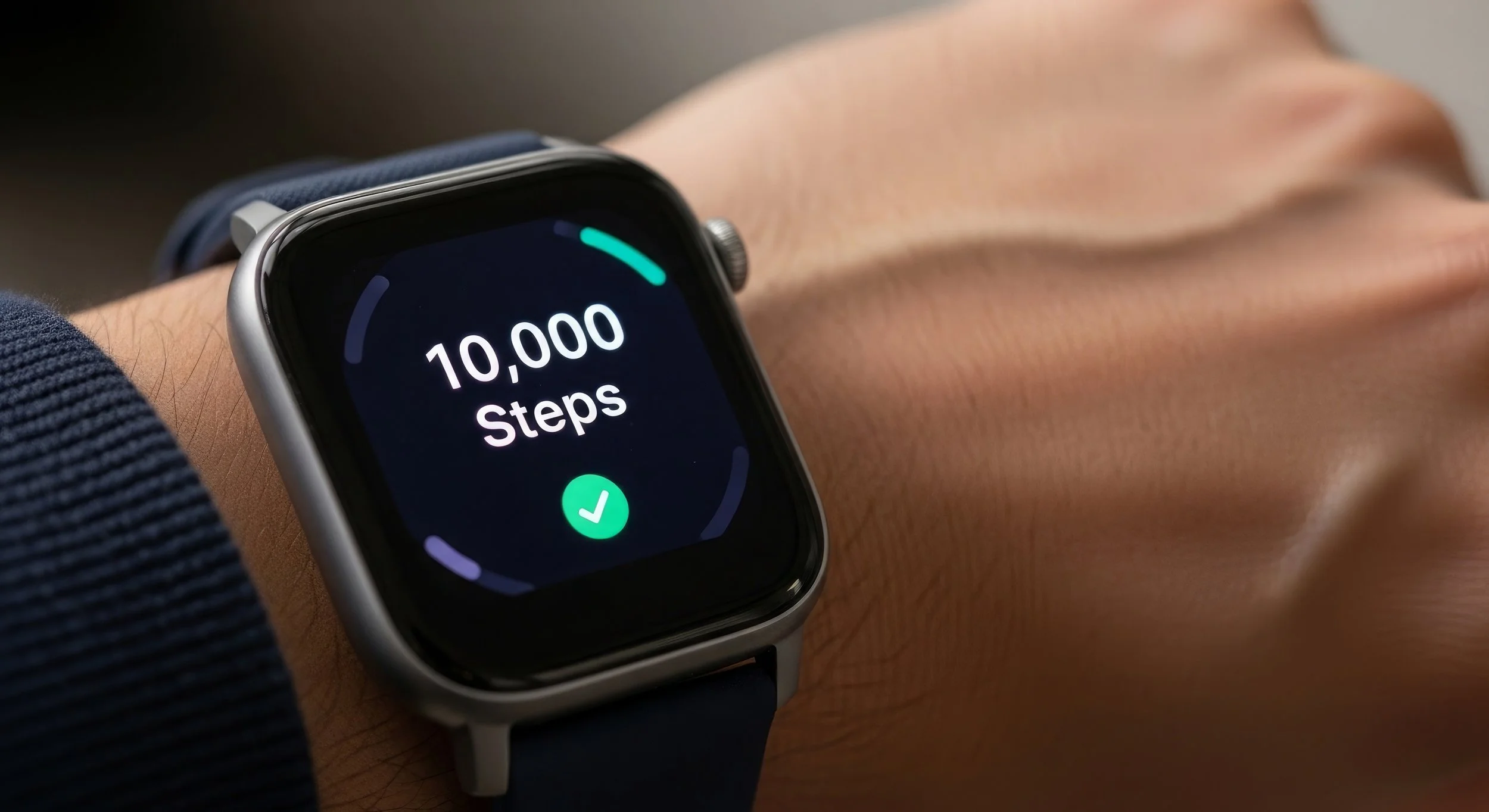
A fitness tracker can help you understand your movement patterns, but the number needs context.
Your watch may not recognise strength training, swimming, Pilates, gardening or all the physical work involved in caring for your home and family.
It also does not know whether you slept badly, are recovering from illness or are managing menopausal fatigue. Use your tracker to collect informationNnot to judge yourself.
Instead of asking only, “Did I reach 10,000 steps?”, consider:
Did I move regularly today?
Did I break up prolonged sitting?
Did I spend some time outdoors?
Did movement improve my mood or energy?
Am I gradually becoming stronger?
Can I maintain this routine?
These questions provide a much more complete picture of your progress.
The most important step is the next one
Women over 40 do not need to view 10,000 steps as the dividing line between success and failure.
If you enjoy walking 10,000 steps and it fits comfortably into your life, there is no reason to stop. But if you average 5,000, 6,000 or 7,000, those steps still matter. Focus on gradually increasing your movement, breaking up prolonged sitting and building a routine you can maintain. Combine walking with nourishing food, strength training, sleep and stress support. Your body does not need perfection. It needs consistent care.
Discover more ways to support your menopause
Walking is just one of the practical ways you can support your health in midlife. In my No 1 best selling book, Have a Magnificent Menopause, I share evidence-based nutrition, lifestyle and mindset strategies to help you improve your energy, manage your weight and feel more confident throughout perimenopause and menopause.
Order your copy of Have a Magnificent Menopause today and take your next step towards feeling stronger, healthier and more in control. Link below
Frequently asked questions
Is 7,000 steps a day enough for women over 40?
Research suggests that approximately 7,000 daily steps can be associated with significant health benefits. However, your ideal target depends on your starting level, health, age and other physical activity. If you currently take far fewer steps, a smaller and gradual increase can still be valuable.
Do I need 10,000 steps a day to lose weight?
No single step count guarantees weight loss. Walking can increase energy expenditure and support metabolic health, but weight management during menopause is also influenced by nutrition, muscle mass, sleep, stress, hormones, medication and existing health conditions.
Is walking good exercise during menopause?
Yes. Walking can support cardiovascular health, metabolic health, mood, mobility and general fitness during menopause. For the best overall results, combine it with resistance training and exercises that support balance and mobility.
Is walking after meals beneficial?
Research suggests that walking soon after eating can help reduce post-meal blood glucose. Even a short walk after lunch or dinner can be a practical addition to your day.
Is walking enough to protect my bones and muscles?
Walking contributes to an active lifestyle, but it should not be your only exercise. Resistance training and appropriately selected impact exercise can provide a stronger stimulus for muscles and bones.
References
Bizzozero-Peroni, B., Díaz-Goñi, V., Rodríguez-Gutiérrez, E., Sequí-Domínguez, I., Núñez de Arenas-Arroyo, S., Martínez-Vizcaíno, V. and Mesas, A.E. (2024) ‘Daily step count and depression in adults: A systematic review and meta-analysis’, JAMA Network Open, 7(12), e2451208.
Bondarev, D., Finni, T., Kokko, K., Kujala, U.M., Aukee, P., Kovanen, V., Laakkonen, E.K. and Sipilä, S. (2021) ‘Physical performance during the menopausal transition and the role of physical activity’, The Journals of Gerontology: Series A, 76(9), pp. 1587–1596.
Ding, D., Nguyen, B., Nau, T., Luo, M., del Pozo Cruz, B., Dempsey, P.C., Munn, Z., Jefferis, B.J., Sherrington, C., Calleja, E.A., Chong, K.H., Davis, R., Francois, M.E., Tiedemann, A., Biddle, S.J.H., Okely, A. and Bauman, A. (2025) ‘Daily steps and health outcomes in adults: A systematic review and dose-response meta-analysis’, The Lancet Public Health, 10(8). doi: 10.1016/S2468-2667(25)00164-1.
Engeroff, T., Groneberg, D.A., Wilke, J., Albermann, K. and Niederer, D. (2023) ‘After dinner rest a while, after supper walk a mile? A systematic review with meta-analysis on the acute postprandial glycaemic response to exercise before and after meal ingestion in healthy subjects and patients with impaired glucose tolerance’, Sports Medicine, 53, pp. 849–869.
Lee, I-M., Shiroma, E.J., Kamada, M., Bassett, D.R., Matthews, C.E. and Buring, J.E. (2019) ‘Association of step volume and intensity with all-cause mortality in older women’, JAMA Internal Medicine, 179(8), pp. 1105–1112.
Paluch, A.E., Gabriel, K.P., Fulton, J.E., Lewis, C.E., Schreiner, P.J., Sternfeld, B., Sidney, S., Siddique, J., Whitaker, K.M. and Carnethon, M.R. (2021) ‘Steps per day and all-cause mortality in middle-aged adults in the Coronary Artery Risk Development in Young Adults Study’, JAMA Network Open, 4(9), e2124516.
World Health Organization (2020) WHO Guidelines on Physical Activity and Sedentary Behaviour. Geneva: World Health Organization.
This article is for educational purposes and is not a substitute for personalised medical advice. Consult an appropriate healthcare professional before changing your exercise routine if you have an existing health condition, pain, osteoporosis, previous fractures or concerns about your heart or joints.