

You've had breakfast, but by 10.30 am your stomach is rumbling, your concentration is slipping and you're wondering what you can eat next.
Sound familiar? One of the first things I look at when women come to me struggling with low energy, cravings or unwanted weight gain is what they're eating for breakfast. Many are starting their day with toast, cereal or a piece of fruit. There's nothing wrong with these foods, but on their own, they often don't provide enough protein to keep you satisfied. And during perimenopause and menopause, getting enough protein becomes particularly important.
Why your breakfast needs a rethink after 40
From our 40s onwards, maintaining muscle becomes increasingly important. Declining oestrogen levels, ageing and changes in physical activity can all influence muscle mass and body composition.
Muscle isn't just about looking toned. It helps us stay strong, supports metabolic health and plays an important role in healthy ageing. Protein also helps regulate appetite by influencing the hormones involved in hunger and fullness. A breakfast containing enough protein, alongside fibre and healthy fats, may help you stay satisfied for longer.
I encourage many of my clients to aim for approximately 25–30g of protein at breakfast, depending on their individual needs. Around a palm size is a good easy guide to remember. If you're wondering what that actually looks like on your plate, here are eight easy ideas.
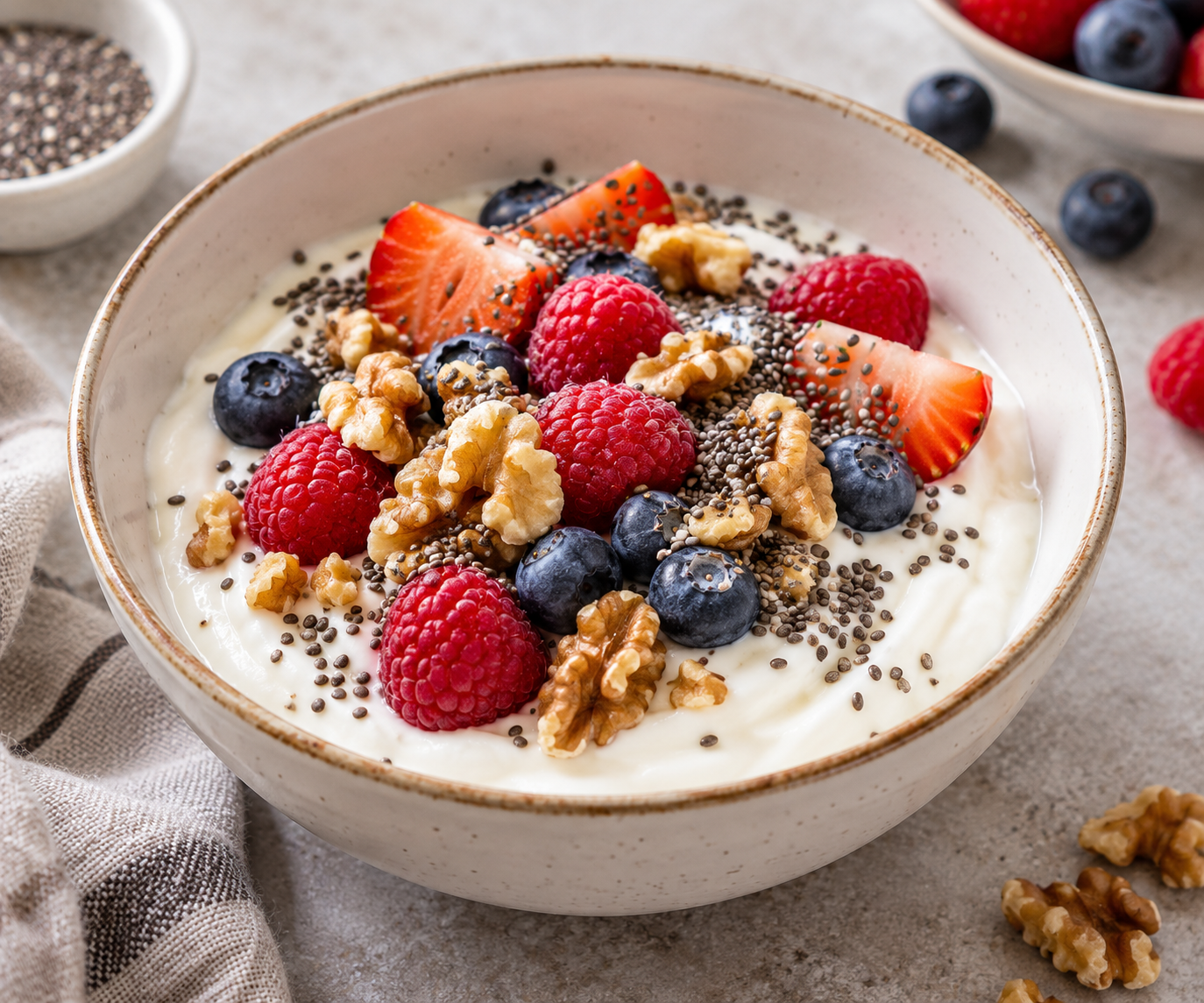
1. Greek yoghurt with berries, chia seeds and walnuts
Approximately 28–30g protein
Combine 250g plain, high-protein Greek yoghurt with mixed berries, a tablespoon of chia seeds and a few chopped walnuts.
Greek yoghurt provides protein and calcium, while berries and chia seeds add fibre to support digestive health. Walnuts provide beneficial unsaturated fats. My tip: Don't assume all Greek-style yoghurts are high in protein. Some contain considerably less than others, so always check the label.
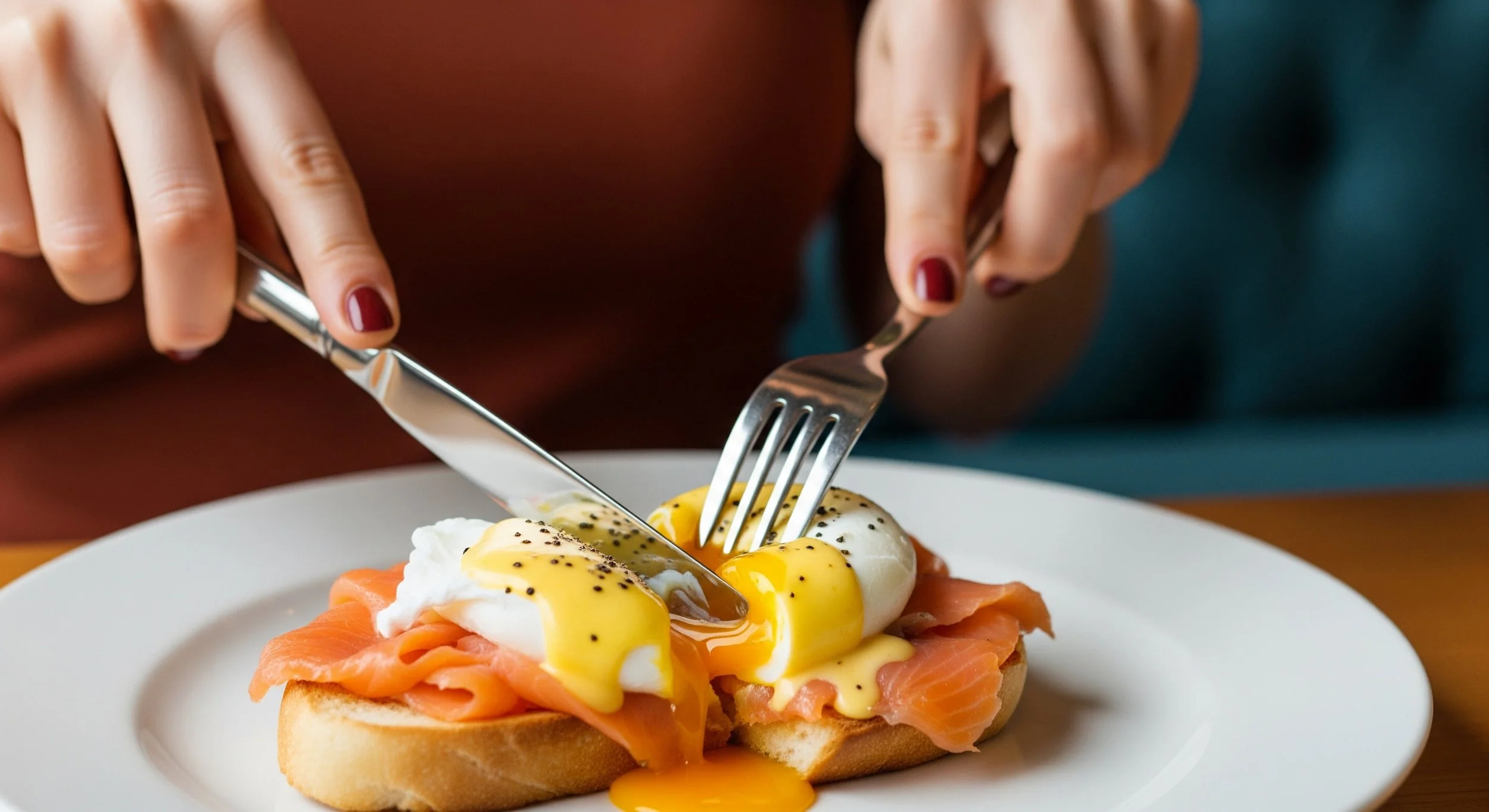
2. Hard-boiled eggs with smoked salmon and avocado
Approximately 28–30g protein
Serve two hard-boiled eggs with 80g smoked salmon, a quarter of an avocado and a slice of wholegrain rye bread. Eggs provide high-quality protein and choline, which is important for normal brain and nervous system function. Salmon contains omega-3 fatty acids, while avocado adds fibre and healthy fats.
This is a particularly satisfying breakfast if you prefer savoury foods. My tip: Boil several eggs in advance. They're useful to have ready when mornings get hectic. Choose lower-salt smoked salmon when possible.
3. Overnight protein oats with peanut butter and raspberries
Approximately 25–30g protein
Mix 40g rolled oats with 200ml unsweetened soya milk (or a milk of your choice), 20g unflavoured protein powder, a tablespoon of natural peanut butter and a handful of raspberries. Stir well and refrigerate overnight. Oats contain beta-glucan, a soluble fibre that helps slow digestion and supports healthy cholesterol levels. Raspberries are naturally lower in sugar than many fruits and provide additional fibre, while peanut butter contributes healthy fats.
Combining protein, fibre and healthy fats with the carbohydrates in oats can help slow glucose absorption and support a steadier blood sugar response, which may help keep you satisfied throughout the morning.
My tip: Choose natural peanut butter without added sugar and a protein powder with minimal ingredients. Prepare your oats the evening before for a quick, nourishing breakfast.
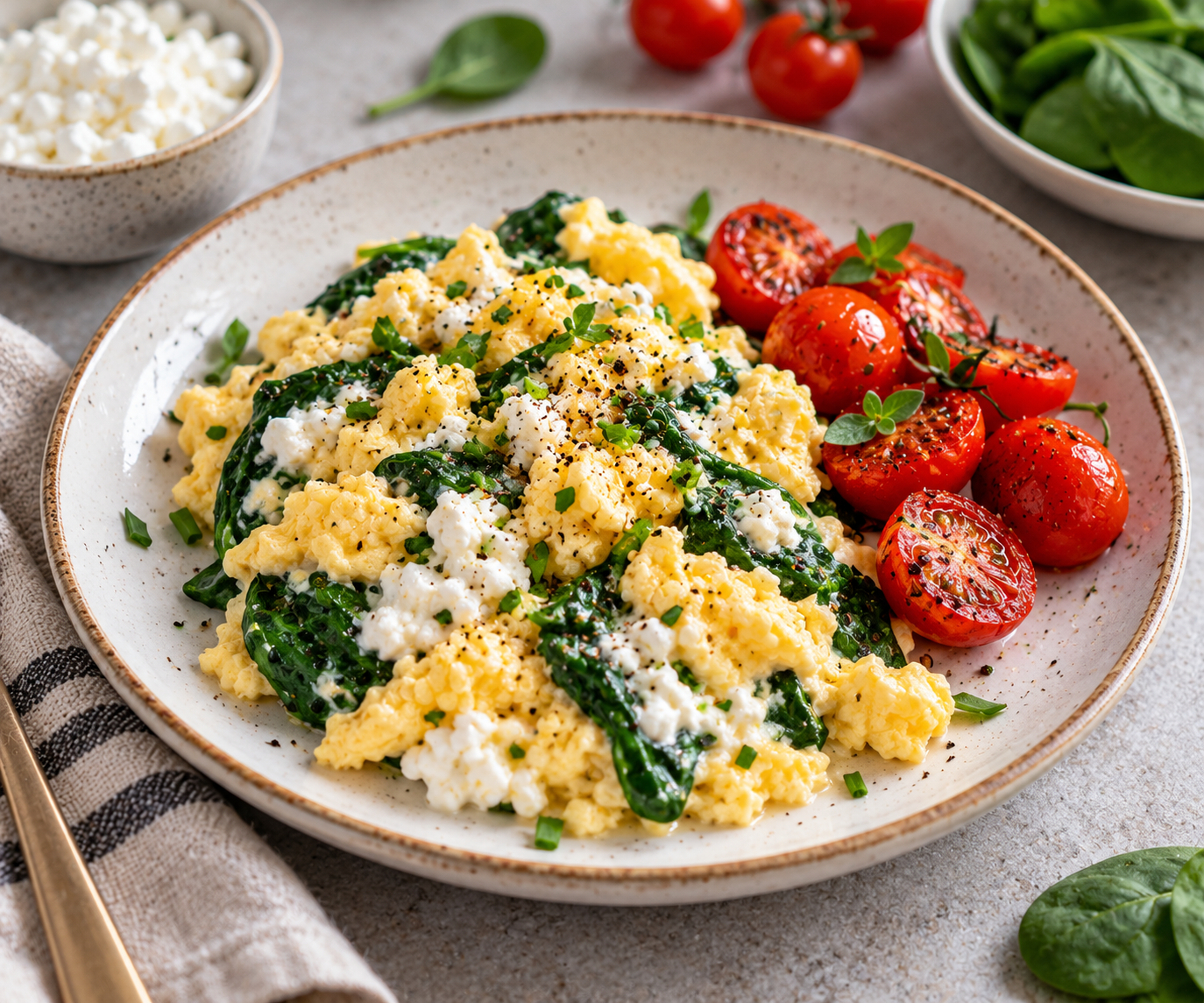
4. Scrambled eggs with cottage cheese and spinach
Approximately 28–30g protein
Scramble two eggs with 100g cottage cheese and a generous handful of spinach. Serve with grilled tomatoes and fresh herbs.
Two eggs provide approximately 13g of protein. Adding cottage cheese is a simple way to make your breakfast more substantial. Eggs also contain vitamin B12 and choline, while spinach provides folate and other micronutrients.
My tip: Stir the cottage cheese through towards the end of cooking for a creamy texture.
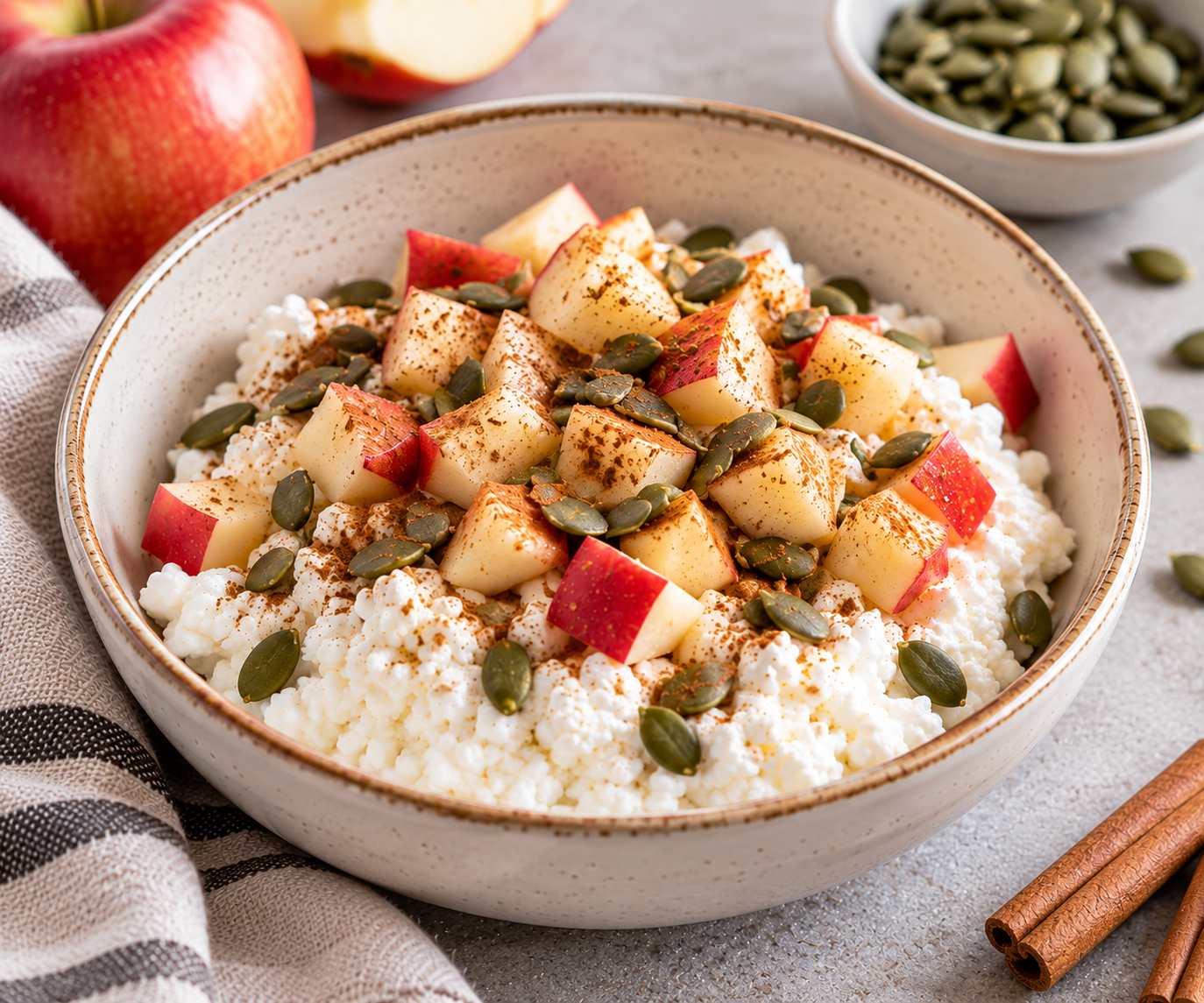
5. Cottage cheese with apple, cinnamon and pumpkin seeds
Approximately 30g protein
Combine 250g low-fat cottage cheese with a chopped apple, a tablespoon of pumpkin seeds and cinnamon. Cottage cheese provides protein and calcium, which is particularly important as bone loss accelerates around menopause.
Pumpkin seeds contain magnesium and zinc, while apples provide fibre to support digestive health. This is an excellent no-cook option when you need something quick.
6. Tofu scramble with mushrooms and tomatoes
Approximately 25–30g protein
Crumble 200–250g high-protein firm tofu into a pan with mushrooms, spinach, cherry tomatoes, turmeric and black pepper. Cook in a little olive oil and finish with nutritional yeast. Tofu provides complete plant protein and naturally occurring soya isoflavones.
Although research into soya isoflavones and menopausal symptoms has produced mixed results, soya foods can be a nutritious addition to a balanced diet.
My tip: Choose calcium-set tofu where available. Protein content varies between brands, so check the packaging.

7. Chicken, egg and spinach breakfast wrap
Approximately 30g protein
Fill a small wholegrain wrap with one scrambled egg, 60g cooked chicken breast, spinach, tomatoes and a spoonful of natural yoghurt mixed with lemon and herbs. This is an easy way to combine protein, fibre and vegetables in one meal.
It's also a useful way to make the most of leftover chicken from the previous evening.
My tip: If you're taking it to work, keep it chilled until you're ready to eat.
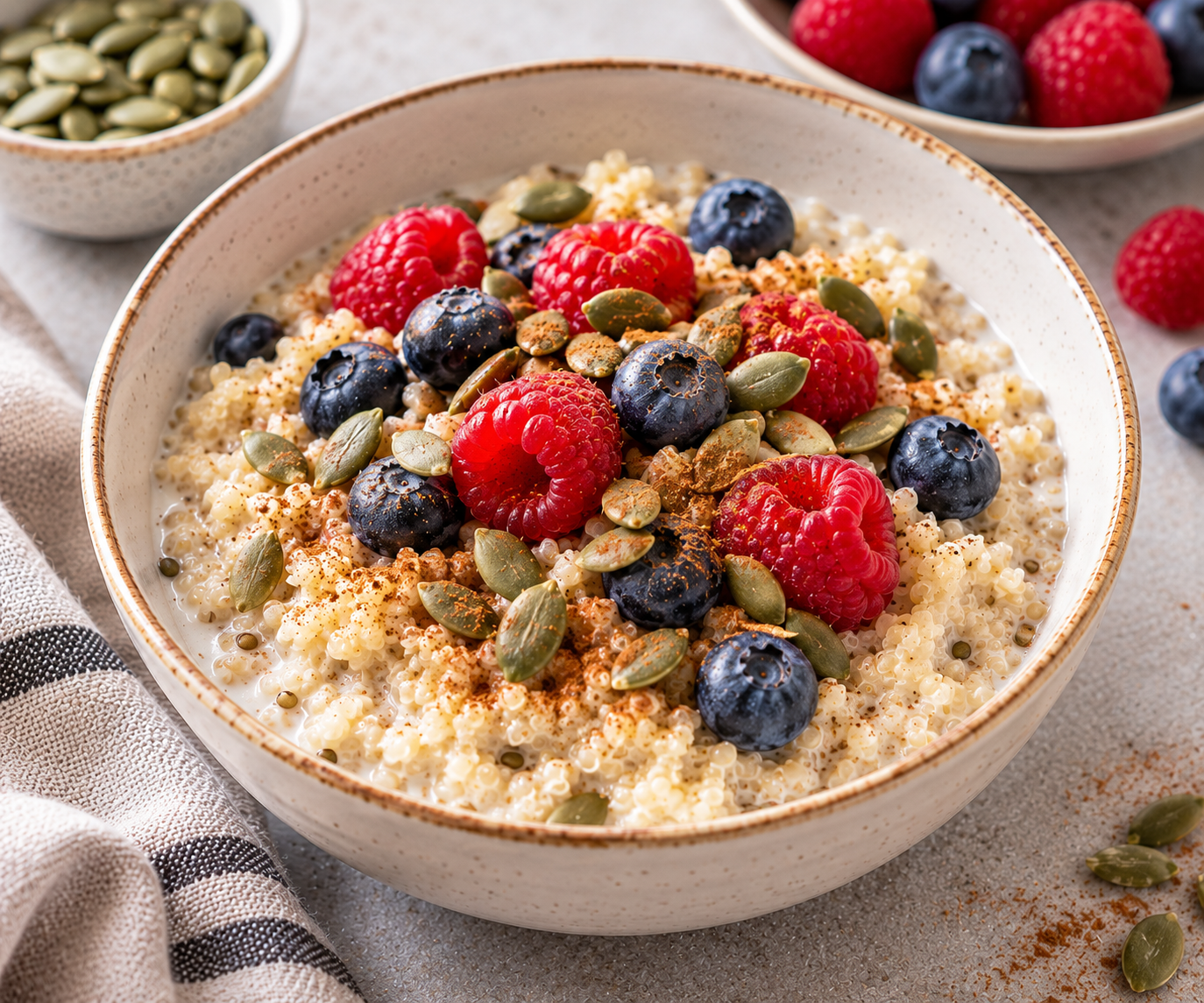
8.Quinoa porridge with berries and pumpkin seeds
Approximately 25g protein
Cook 60g dry quinoa in 200ml unsweetened soya milk until soft and creamy, adding a little water if needed. Stir in 15g unflavoured protein powder once slightly cooled, then top with a handful of blueberries or raspberries, a tablespoon of pumpkin seeds and a sprinkle of cinnamon.
Quinoa is a naturally gluten-free seed that provides all nine essential amino acids, along with fibre, magnesium and iron. Combined with protein-rich soya milk and pumpkin seeds, it makes a nourishing alternative to traditional porridge. The combination of protein, fibre and healthy fats helps slow digestion and may support a steadier blood sugar response, keeping you satisfied for longer.
My tip: Cook a batch of quinoa in advance and keep it refrigerated. In the morning, simply warm a portion with soya milk and add your toppings. It's also a useful way to use leftover plain quinoa.
What if you're still hungry after breakfast?
Here's something I want women to understand: feeling hungry doesn't mean you've failed or that you lack willpower. Your breakfast might simply not contain enough food to meet your needs. Protein is important, but so are fibre, healthy fats and carbohydrates. If you're exercising regularly, particularly doing resistance training, you may need a more substantial breakfast.
And don't forget that poor sleep and stress can influence appetite too, something many women experience during perimenopause. Rather than automatically cutting back on food to manage your weight, look at whether you're eating enough of the right nutrients.
My advice: start with your breakfast
You don't need to change everything you eat overnight. If you usually have toast, add eggs. If you enjoy porridge, stir in Greek yoghurt. If you're always rushing, prepare something the evening before.
It's these small, consistent changes that I see making the biggest difference in my clients' everyday lives. And remember, eating well during menopause isn't just about managing your weight. It's about preserving muscle, supporting bone health and giving your body the nourishment it needs to stay strong and healthy as you age.
Would you like more practical guidance on nutrition, energy and healthy ageing during menopause?
In my bestselling book, Have a Magnificent Menopause, I share evidence-informed nutrition and lifestyle strategies to help you navigate menopause with greater confidence. Link below.
References
1. Black, K.E. and Matkin-Hussey, P. (2024) ‘The impact of protein in post-menopausal women on muscle mass and strength: A narrative review’, Physiologia, 4(3), pp. 266–285. doi: 10.3390/physiologia4030016.
2. Yang, S., Zeng, Q., Huang, X., Liang, Z. and Hu, H. (2023) ‘Effect of isoflavones on blood lipid alterations in postmenopausal females: A systematic review and meta-analysis of randomized trials’, Advances in Nutrition, 14(6), pp. 1633–1643. doi: 10.1016/j.advnut.2023.09.008.
3. Yu, J., Xia, J., Yang, C., Pan, D., Xu, D., Sun, G. and Xia, H. (2022) ‘Effects of oat beta-glucan intake on lipid profiles in hypercholesterolemic adults: A systematic review and meta-analysis of randomized controlled trials’, Nutrients, 14(10), article 2043. doi: 10.3390/nu14102043.
4. de Morais Junior, A.C., Schincaglia, R.M., Viana, R.B., Armet, A.M., Prado, C.M., Walter, J. and Mota, J.F. (2023) ‘The separate effects of whole oats and isolated beta-glucan on lipid profile: A systematic review and meta-analysis of randomized controlled trials’, Clinical Nutrition ESPEN, 53, pp. 224–237. doi: 10.1016/j.clnesp.2022.12.019.
5. Leidy, H.J., Clifton, P.M., Astrup, A., Wycherley, T.P., Westerterp-Plantenga, M.S., Luscombe-Marsh, N.D., Woods, S.C. and Mattes, R.D. (2015) ‘The role of protein in weight loss and maintenance’, The American Journal of Clinical Nutrition, 101(6), pp. 1320S–1329S. doi: 10.3945/ajcn.114.084038.
6. Morton, R.W. et al. (2018) ‘A systematic review, meta-analysis and meta-regression of the effect of protein supplementation on resistance training-induced gains in muscle mass and strength in healthy adults’, British Journal of Sports Medicine, 52(6), pp. 376–384. doi: 10.1136/bjsports-2017-097608.