

I’m a huge advocate of protecting your skin from the sun. After more than 30 years working in beauty, nutrition and women’s health, I’ve seen first-hand what years of UV exposure can do to the skin.
Sun protection is one of the most important things we can do to help prevent premature skin ageing, pigmentation and skin cancer. But there is another side to the sun conversation that deserves some attention: vitamin D.
Our bodies produce vitamin D when UVB rays from sunlight reach the skin. So it is understandable that women sometimes ask me: If I’m wearing a high-factor sunscreen every day, could this affect my vitamin D levels? For years, the answer has generally been that sunscreen use in everyday life appears to have very little effect on vitamin D status.
However, an important Australian study has now added a new piece to the puzzle. And I think it is particularly relevant for women over 40, because maintaining healthy vitamin D levels becomes increasingly important as we move through perimenopause, menopause and beyond.

Why Is Vitamin D So Important After 40?
We often call vitamin D a vitamin, but biologically it behaves much more like a hormone. It has several important roles within the body, particularly in maintaining healthy bones and muscles and supporting normal immune function.
For women in midlife, vitamin D becomes especially relevant because declining oestrogen during and after menopause accelerates bone loss. That doesn’t mean vitamin D works alone. Far from it.
Healthy bones depend on a combination of factors including adequate protein, calcium, magnesium, vitamin D, resistance exercise and weight-bearing movement. But having sufficient vitamin D is an important part of that picture. This is one reason I pay close attention to vitamin D when I work with women in their forties, fifties and beyond.

How Do We Make Vitamin D?
There are three main ways we obtain vitamin D:
Sunlight
When UVB radiation reaches the skin, it triggers the production of vitamin D3.
Food
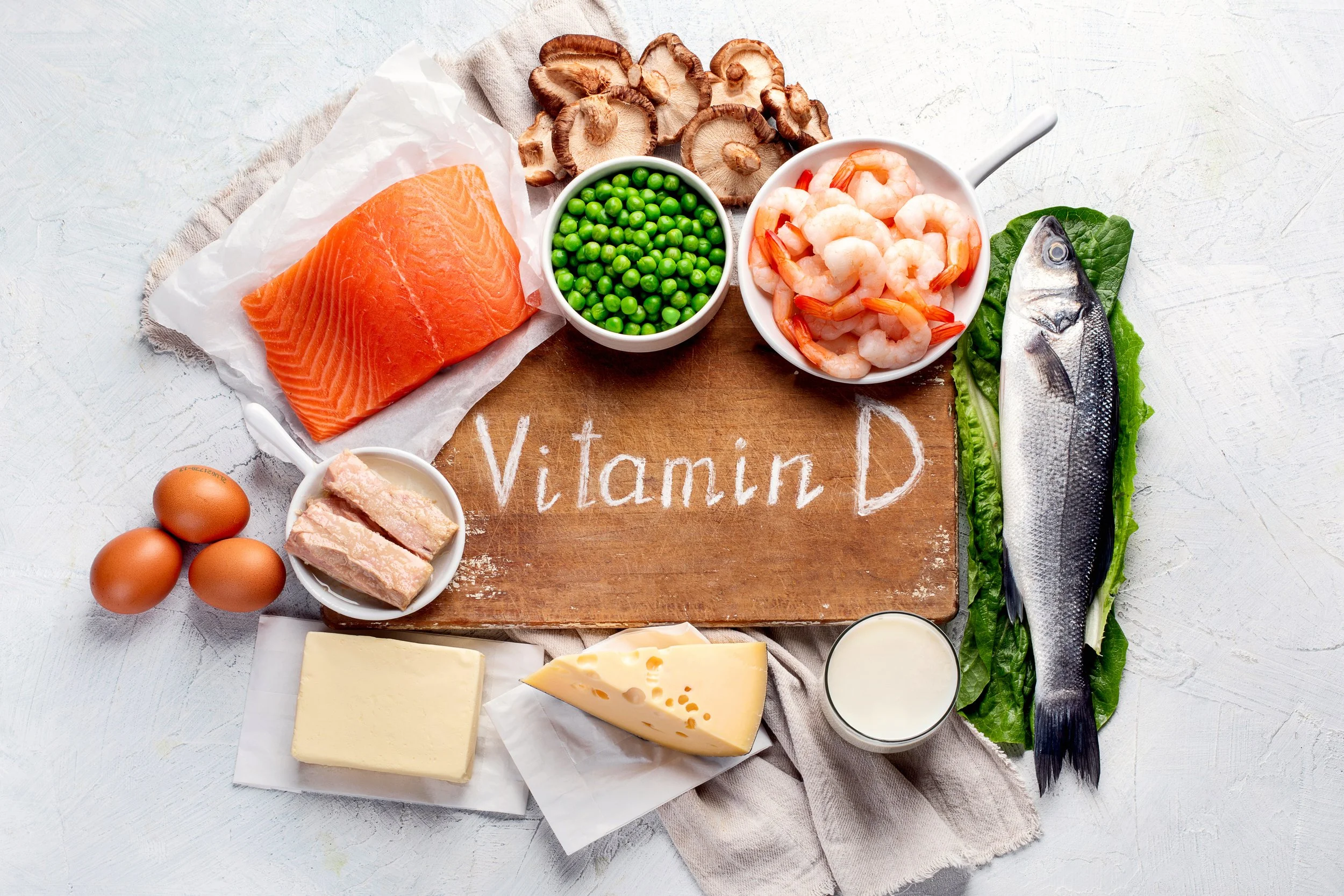
Small amounts of vitamin D are naturally present in foods such as oily fish, egg yolks and liver, while some foods are fortified with vitamin D.
Supplements
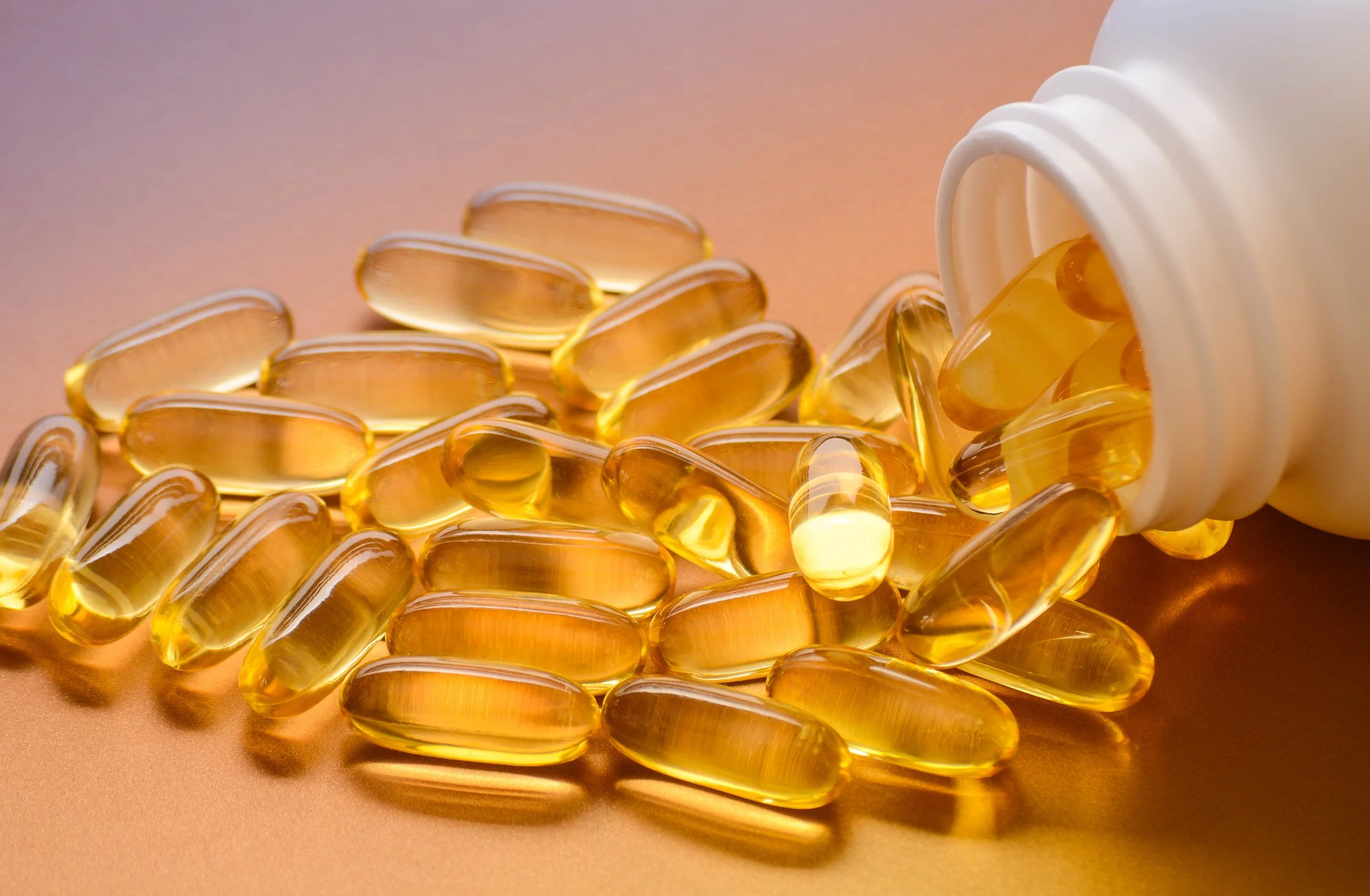
Vitamin D supplements can be particularly useful when sunlight exposure is limited or blood levels are low.
Living in northern Europe makes this especially relevant. During the darker months, UVB exposure can be insufficient for meaningful vitamin D production, which is one reason vitamin D status deserves attention throughout the year rather than only during summer.
So Does Sunscreen Block Vitamin D?
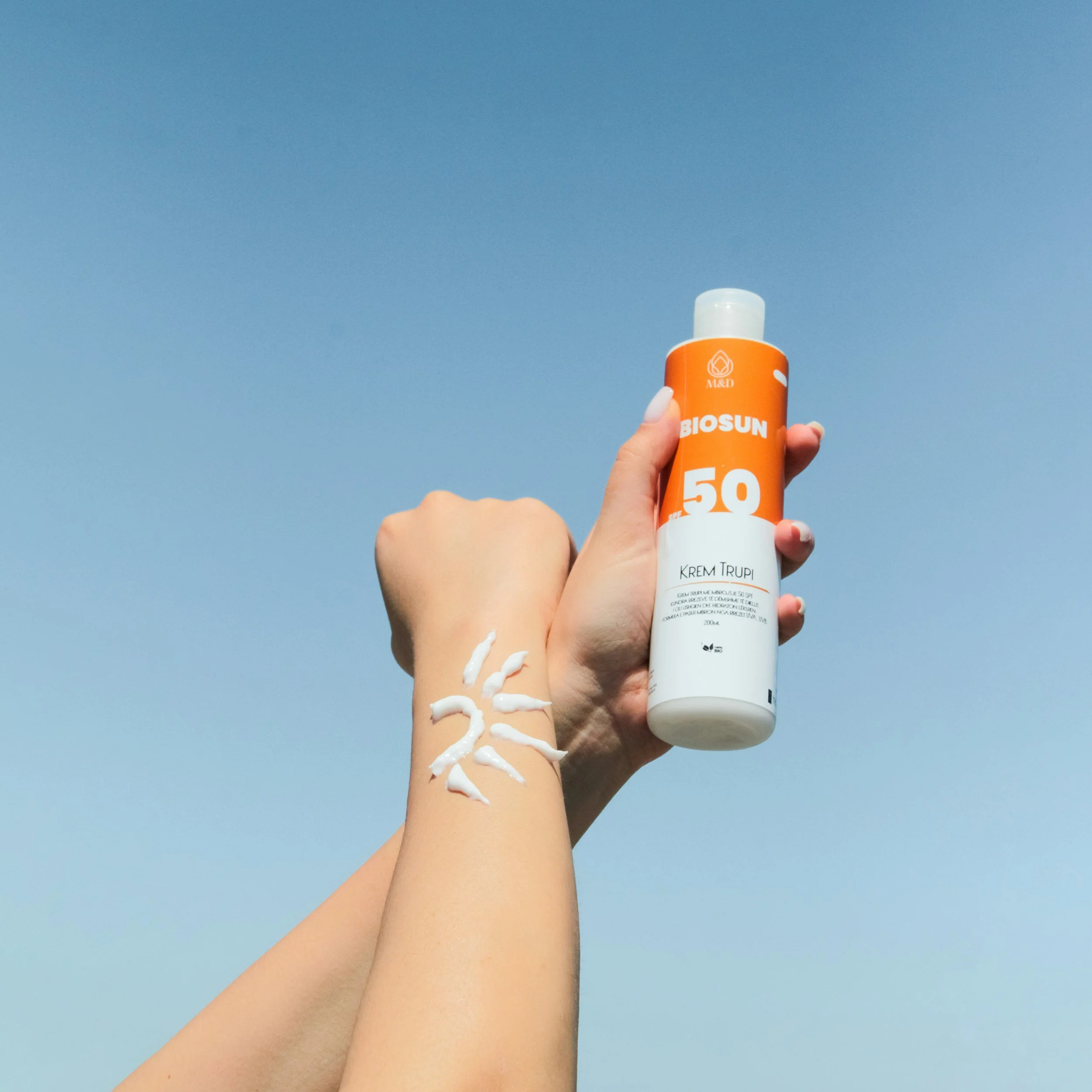
Theoretically, it makes sense that sunscreen could reduce vitamin D production. Sunscreen is designed to reduce the amount of ultraviolet radiation reaching the skin. UVB happens to be the same part of sunlight involved in producing vitamin D.
However, real life is not quite as simple as laboratory theory. People rarely apply sunscreen perfectly. We miss areas, use smaller amounts than recommended, spend different amounts of time outdoors and expose different areas of skin.
This helps explain why previous research has often found little or no meaningful reduction in vitamin D levels among people regularly using sunscreen. A major 2019 review concluded that there was little evidence that sunscreen used under everyday conditions caused significant reductions in vitamin D levels. Importantly, however, the researchers pointed out that the trials available at that time had used sunscreens with an SPF of around 16 rather than the SPF 50+ products so many of us use today.
That unanswered question led researchers to investigate high-SPF sunscreen specifically.

What Did the New SPF 50+ Study Find?
The Australian Sun-D Trial, published in the British Journal of Dermatology, followed 639 adults for approximately one year. Participants were randomly assigned to one of two groups.
One group was asked to apply SPF 50+ sunscreen routinely on days when the UV Index was predicted to reach three or above. The other group continued using sun protection according to their usual habits. Researchers measured blood levels of 25-hydroxyvitamin D — the marker commonly used to assess vitamin D status.
Vitamin D levels rose during the summer in both groups, which is what we would expect. However, the rise was smaller among those routinely applying SPF 50+.
By the end of the study, 46% of the daily sunscreen group were classified as vitamin D deficient compared with 37% of the control group. The researchers concluded that routinely applying high-SPF sunscreen resulted in lower vitamin D levels than discretionary sunscreen use and suggested that regular sunscreen users may need supplementary vitamin D.
Does This Mean We Should Stop Wearing Sunscreen?
Definitely not.
And this is where I think health information can so easily become confusing. The message is not:
Stop wearing sunscreen so you can make more vitamin D. We have very strong evidence that excessive UV exposure damages the skin and increases the risk of skin cancer. It also contributes significantly to pigmentation, collagen breakdown and premature skin ageing.
The researchers themselves were very clear that their findings should not lead people to abandon sun protection. Instead, the more sensible approach is to protect the skin while making sure vitamin D needs are being met in other ways.

What About Previous Research?
One study should rarely completely change health advice. A 2025 systematic review and meta-analysis examined 22 studies looking at sunscreen and vitamin D. Overall, the researchers found that sunscreen use was associated with a modest reduction in blood vitamin D levels, but results between studies were mixed and they concluded that more research is still needed.
This is why I would not interpret the Sun-D study as proof that everyone wearing SPF 50 will become vitamin D deficient. It tells us something slightly different and much more useful:
If you are very diligent about high-factor sun protection, vitamin D is something worth keeping on your radar.
Women Over 40: Who Should Pay Particular Attention?
Some women are more likely to struggle with low vitamin D than others.
It may be worth discussing vitamin D testing with your GP or healthcare practitioner if you:
spend most of your working day indoors
live in a northern climate
regularly cover most of your skin
consistently use high-factor sunscreen
have darker skin
have very little oily fish or vitamin D-fortified food in your diet
are older and spend less time outdoors
have conditions that affect nutrient absorption
These factors can overlap, which is why I prefer an individual approach rather than assuming everyone needs exactly the same supplement.
Should You Take a Vitamin D Supplement?
Possibly, but more is not always better. Vitamin D is fat-soluble, which means it can accumulate in the body, so I don't recommend taking very high doses indefinitely simply because you have heard vitamin D is good for you.
Where appropriate, measuring your blood level of 25-hydroxyvitamin D [25(OH)D] can give you a much clearer idea of your vitamin D status. From there, supplementation can be adjusted according to your individual needs, diet, lifestyle, season and health history.
This is one of the things I emphasise constantly with nutrition: test where appropriate, personalise and don't guess.

Can Food Provide Enough Vitamin D?
Food can certainly contribute, although relatively few foods naturally contain substantial quantities.
Good sources include:
salmon
sardines
mackerel
herring
trout
egg yolks
liver
vitamin D-fortified foods
Oily fish is particularly useful because it also provides omega-3 fatty acids and high-quality protein, making it a great addition to a midlife diet.
For some women, however, food alone may not provide enough vitamin D, particularly during winter or when sun exposure is very limited.
Sunlight Still Has Benefits
I also don't want the vitamin D conversation to turn sunlight into something we should fear. Getting outside has plenty of benefits beyond vitamin D.
Morning daylight is important for regulating our circadian rhythm, which influences sleep, energy and hormone signalling. Spending time outdoors also encourages movement and can be wonderful for stress and mental wellbeing. The goal is not to avoid daylight.
It is to enjoy being outdoors without deliberately exposing your skin to excessive UV radiation in an attempt to increase vitamin D. There is a big difference.

My Approach: Protect Your Skin and Look After Your Vitamin D
For me, this research reinforces something I talk about all the time with women: health is rarely about choosing one side or the other.
You don't have to choose between healthy skin and healthy vitamin D levels. You can protect your skin properly and make sure your body has adequate vitamin D.
Continue using appropriate sun protection.
Eat vitamin D-containing foods.
Spend time outdoors.
Pay particular attention to vitamin D during the darker months. And if you have risk factors for deficiency or you're unsure about your levels, consider having them checked and discuss appropriate supplementation with a qualified healthcare professional.
That is a much more sensible approach than deliberately allowing your skin to burn or avoiding sunscreen because you are worried about vitamin D. Your skin needs protection. Your bones and muscles need vitamin D. We can support both.

Want to Feel Your Best Through Menopause and Beyond?
Vitamin D is just one piece of the much bigger midlife health picture. If you want to understand what is happening in your body and, more importantly, what you can actually do to support yourself, my book Have a Magnificent Menopause is packed with practical, evidence-based advice on nutrition, hormones, energy, sleep, stress, weight, skin health and healthy ageing.
I wrote it to help you cut through the confusion and feel more informed and confident about the choices you make for your health.
Get your copy of Have a Magnificent Menopause below
References
Gatta, E. and Cappelli, C. (2025) ‘Sunscreen and 25-Hydroxyvitamin D Levels: Friends or Foes? A Systematic Review and Meta-Analysis’, Endocrine Practice, 31(6), pp. 839–848. doi: 10.1016/j.eprac.2025.03.014.
Neale, R.E., Khan, S.R., Lucas, R.M., Waterhouse, M., Whiteman, D.C. and Olsen, C.M. (2019) ‘The effect of sunscreen on vitamin D: a review’, British Journal of Dermatology, 181(5), pp. 907–915. doi: 10.1111/bjd.17980.
Passeron, T., Bouillon, R., Callender, V., Cestari, T., Diepgen, T.L., Green, A.C. et al. (2019) ‘Sunscreen photoprotection and vitamin D status’, British Journal of Dermatology, 181(5), pp. 916–931. doi: 10.1111/bjd.17992.
Tran, V., Duarte Romero, B.L., Andersen, H., Clarke, M., Collins, L.G., Dawson, T., Hartel, G., Lefevre, J.G., Lucas, R.M., McLeod, D.S.A., Milne, R.L., Sinclair, C., Whiteman, D.C., Waterhouse, M. and Neale, R.E. (2025) ‘Effect of daily sunscreen application on vitamin D: findings from the open-label randomized controlled Sun-D Trial’, British Journal of Dermatology, 193(6), pp. 1128–1137. doi: 10.1093/bjd/ljaf310.