
The Menopause Conversation Is Failing Women Who Can’t Take HRT

Menopause is finally getting the attention it deserves. Open a newspaper, listen to a podcast or spend a few minutes on social media and you’ll find discussions about hormones, hot flushes, sleep problems and the benefits of hormone replacement therapy (HRT).
After years of women being told to simply put up with their symptoms, this increased awareness is a positive step forward. However, a recent article in The New York Times highlighted something many women know all too well: not every woman can take HRT, and many are feeling left out of the conversation.

When HRT Is Not an Option
As someone who cannot take HRT myself, this struck a chord with me. There is no question that HRT can be extremely helpful for many women. I am not anti HRT in any way. The problem arises when the conversation becomes so centred around HRT that women who cannot take it begin to feel as though they have been forgotten.
Many women living with breast cancer, a history of hormone sensitive cancers or other medical conditions may be advised not to take hormone therapy. Others may simply decide it is not the right choice for them. Yet they often experience the same symptoms as everyone else, including hot flushes, disturbed sleep, anxiety, fatigue, weight gain, vaginal dryness, joint aches and a loss of confidence.
Feeling Left Behind
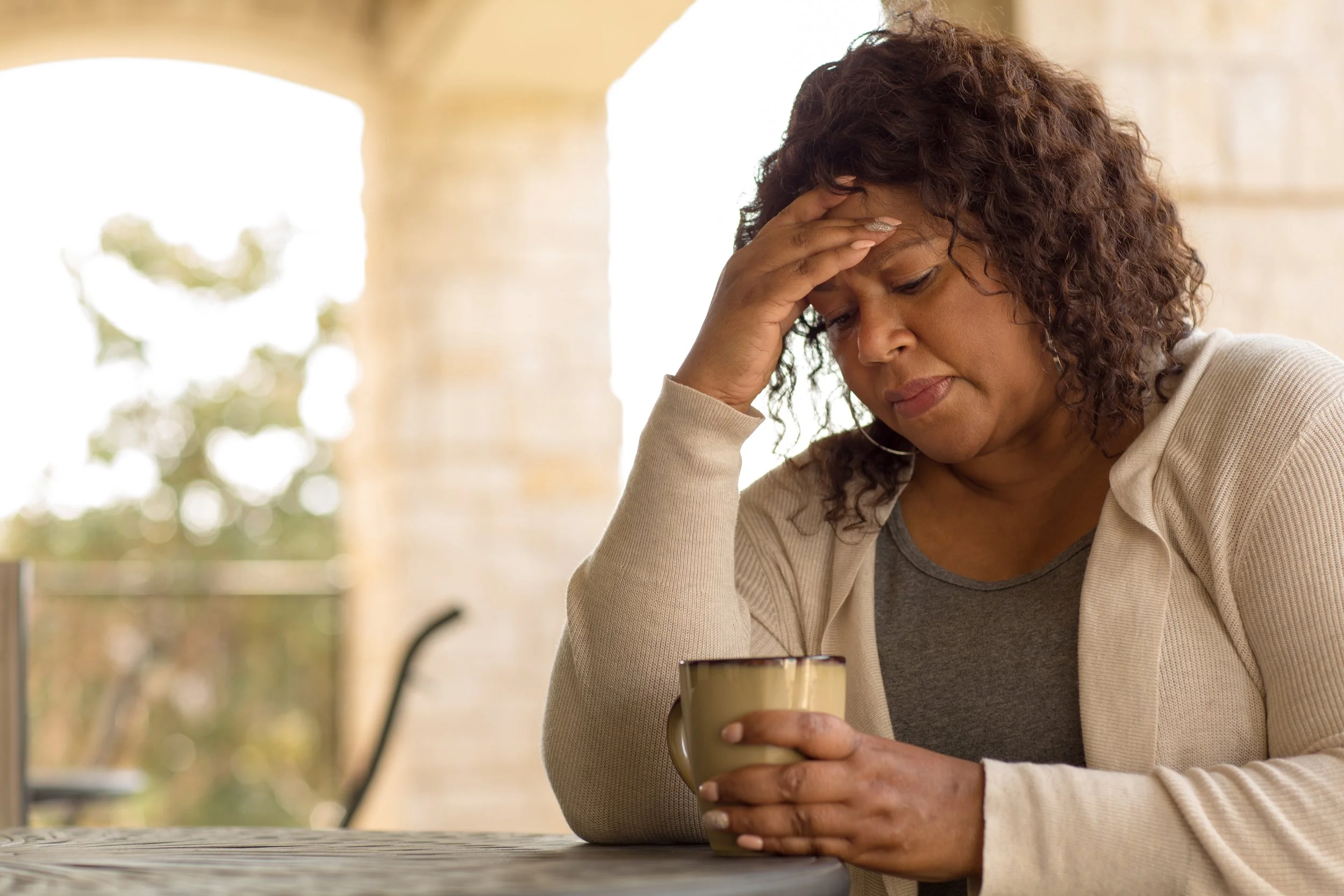
Over the years, I have worked with many women in this situation. Some have told me they feel frustrated when every article, podcast or social media post seems to point towards a solution they cannot use.
Others have said they feel as though they have reached a dead end. When the message becomes “just take HRT”, it can leave these women wondering where that leaves them. No woman should be made to feel that her options have run out simply because HRT is not right for her.
Menopause Care Should Be About Options
Menopause support should never revolve around a single treatment option. Every woman is different. Her symptoms, health history, lifestyle and personal preferences all influence what is right for her.
The menopause conversation has become increasingly polarised. On one side are those who believe every woman should take HRT. On the other are those who reject it completely. Most women sit somewhere in the middle. They simply want clear information, practical advice and the freedom to make informed decisions about their own health.
Good menopause care should never be about pressure. It should be about options.

Why I Wrote About This in My Book
This is one of the reasons I wrote about this topic in my book, Have a Magnificent Menopause. I wanted women to know that there is more than one way to support themselves through this stage of life.
HRT is one option, but it is not the whole story. In the book, I share practical, realistic ways to support energy, weight, mood, sleep, skin, confidence and overall wellbeing during menopause, whether a woman uses HRT or not.

What Else Can Help?
When I work with clients, I look at the bigger picture. Nutrition, movement, sleep, stress management, mindset and overall health all play important roles in how a woman feels during menopause.
Stabilising blood sugar levels can help support energy, mood and cravings. Prioritising protein can help maintain muscle mass and support healthy ageing. Regular movement can improve sleep, mood and metabolic health. Learning how to manage stress more effectively can help reduce the burden that chronic stress places on the body.
None of these approaches are magic fixes, but together they can make a real difference to daily wellbeing.
There are also medical options that may be suitable, even for women who cannot take systemic HRT. For example, vaginal oestrogen may be recommended for vaginal dryness, discomfort, recurrent urinary symptoms or pain during sex, as it works mainly in the local area. There are also non hormonal treatments for symptoms such as hot flushes, night sweats and sleep disruption. This is why it is always worth speaking to your doctor or a qualified healthcare professional. There may be more options available than you realise and you do not have to struggle in silence.

No Woman Should Feel Forgotten
What concerned me most about the article was the emotional impact on women who feel excluded from the conversation. Menopause can already be a challenging time. Many women are juggling careers, relationships, ageing parents, financial pressures and changing health needs. The last thing they need is to feel forgotten because the treatment most people are talking about is not available to them. The growing awareness around menopause is something to celebrate but the conversation must include every woman.
Women who benefit from HRT deserve support. Women who cannot take HRT deserve support too.
Menopause is not the same for every woman and support should not be either. The goal should never be to convince every woman to follow the same path. The goal should be to provide women with the information, tools and support they need to make the choices that are right for them.
If you would like practical guidance on how to support your body, energy, mood, weight, sleep and confidence during menopause, I cover this in my book, Have a Magnificent Menopause: A Straightforward Guide to Looking Good and Feeling Great.
References
Avis, N.E. and Crawford, S.L. (2008) 'Greendale GA. Duration of menopausal vasomotor symptoms over the menopause transition', JAMA, 299(9), pp. 1035–1041.
Carpenter, J.S., Neal, J.G. and Payne, J. (2015) 'Cognitive behavioural therapy and non hormonal management of menopausal symptoms', Menopause, 22(11), pp. 1186–1194.
Faubion, S.S., Larkin, L.C., Stuenkel, C.A., Bachmann, G.A., Chism, L.A., Kaunitz, A.M., Kagan, R., Parish, S.J. and Pinkerton, J.V. (2023) 'Management of genitourinary syndrome of menopause in women with or at high risk for breast cancer', Menopause, 30(6), pp. 671–691.
Maki, P.M. and Jaff, N.G. (2022) 'Brain fog in menopause: A health care professional's guide for decision making and counselling on cognition', Menopause, 29(12), pp. 1389–1399.
The New York Times (2026) Millions of Women Are Left Out of Menopause’s Moment. Available at: https://www.nytimes.com/2026/06/15/well/menopause-hormone-therapy-breast-cancer.html
North American Menopause Society (2023) 'The 2023 nonhormone therapy position statement of The Menopause Society', Menopause, 30(6), pp. 573–590.
Pinkerton, J.V., Aguirre, F.S., Blake, J., Cosman, F., Hodis, H.N. and Hoffstetter, S. (2020) 'The 2020 genitourinary syndrome of menopause position statement of The North American Menopause Society', Menopause, 27(9), pp. 976–992.
Sarrel, P.M. (2012) 'Oestrogen and cognitive function in women', Journal of Steroid Biochemistry and Molecular Biology, 142, pp. 91–98.
Stuenkel, C.A., Davis, S.R., Gompel, A., Lumsden, M.A., Murad, M.H., Pinkerton, J.V. and Santen, R.J. (2015) 'Treatment of symptoms of the menopause: An Endocrine Society clinical practice guideline', Journal of Clinical Endocrinology & Metabolism, 100(11), pp. 3975–4011.
The Menopause Society (2024) 'The 2024 hormone therapy position statement of The Menopause Society', Menopause, 31(7), pp. 1–33.
Wurz, A., Stultz, J., Brunet, J. and Kwan, M. (2022) 'Physical activity and menopausal symptoms: A systematic review and meta analysis', Menopause, 29(4), pp. 473–485.
Falk, S.J., Bober, S.L., Ruddy, K.J. and Faubion, S.S. (2019) 'Management of menopausal symptoms in breast cancer survivors', Journal of Clinical Oncology, 37(25), pp. 2209–2218.