

There's a moment I see time and time again in my nutritional therapy clinic and it often begins with the same words.
"I don't understand what's happening to me. I'm doing everything I used to do, but nothing seems to work anymore."
Behind those words, there's often frustration, exhaustion and a quiet loss of confidence. Perhaps you recognise that feeling?
You're eating what you believe is a healthy diet, trying to fit in exercise, managing work, family and a never-ending to-do list. Yet your energy has disappeared, your clothes feel tighter, your sleep is unpredictable and some days your brain simply refuses to cooperate.
And to make matters worse, everywhere you look, someone is telling you to do more. Eat less. Exercise harder. Try intermittent fasting. Cut out carbohydrates. Take another supplement.
It's exhausting just thinking about it! After more than 35 years working in women's health, nutrition and wellbeing, there's one thing I've learnt: the most effective approach to wellness is rarely the most complicated.
For women over 40, particularly during perimenopause and menopause, understanding what your body needs and making realistic, sustainable changes can make a meaningful difference to how you feel. You don't need another impossible wellness routine. You need an approach that works with your body and fits into your life.
Why Does Staying Healthy Feel Harder After 40?
One of the biggest frustrations I hear from women is that the strategies they relied on in their 20s and 30s no longer seem to deliver the same results. There are several reasons for this.
During perimenopause, fluctuating oestrogen and progesterone levels can influence sleep, mood, temperature regulation and how your body responds to everyday challenges. As we age, we also tend to lose muscle mass unless we actively work to maintain it. This can affect strength, metabolic health and how our bodies use energy. Changes in fat distribution, including an increased tendency to store fat around the abdomen, are also common during the menopause transition.
Then there's everything else life throws at us.
Busy careers, family responsibilities, ageing parents, interrupted sleep and the mental load of trying to keep everyone happy can leave very little time for ourselves. And when you're already exhausted, the last thing you need is a complicated wellness plan that demands another hour of your day.
The answer isn't necessarily to try harder. It's to start doing things differently.

What Does Realistic Wellness for Women Over 40 Actually Mean?
Realistic wellness is about creating healthy habits that support your physical and emotional wellbeing without taking over your life. It's about eating nourishing meals rather than constantly restricting food, choosing movement that builds strength rather than leaves you depleted, and recognising that rest and recovery are just as important as activity.
I often work with women who are doing everything they believe they should be doing. They're skipping breakfast, eating a small salad for lunch, squeezing in intense workouts and feeling guilty when they don't manage everything on their list.
Yet they're exhausted, hungry, struggling with cravings and wondering why their weight won't shift. Rather than adding more rules, I encourage them to focus on the foundations of good health. Here are seven realistic wellness habits that I believe can make a real difference.
1. Stop Eating Less and Start Nourishing Your Body
One of the most common mistakes I see women over 40 making is not eating enough to support their nutritional needs. Years of dieting have taught many of us that eating less is the answer to unwanted weight gain.
But regularly skipping meals or following overly restrictive diets can make it harder to meet your requirements for protein, fibre, vitamins and minerals.
It can also leave you feeling hungry, tired and more likely to reach for convenient, less satisfying foods later in the day.
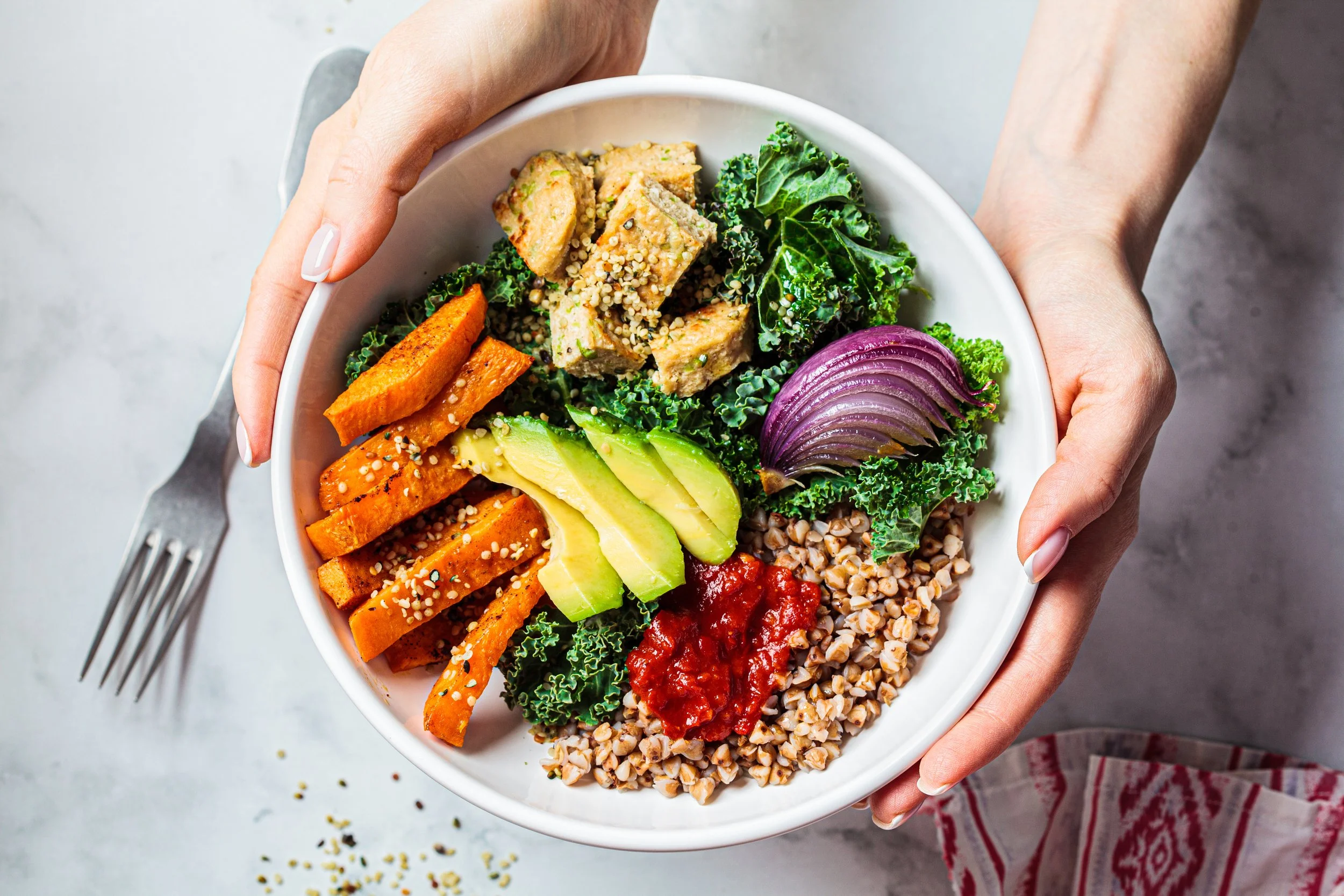
Instead, focus on building balanced meals that contain:
Protein to support muscle maintenance, repair and fullness.
Fibre-rich carbohydrates to provide energy and support digestive and metabolic health.
Healthy fats for essential fatty acids and the absorption of fat-soluble vitamins.
Colourful vegetables and fruit for vitamins, minerals and protective plant compounds.
Think grilled salmon with roasted vegetables and quinoa, or a delicious lentil and chicken salad with avocado and extra virgin olive oil.
These meals don't need to be complicated.
My practical tip: Rather than asking yourself what you should remove from your diet, ask what you could add to make your next meal more nourishing.

2. Prioritise Protein, Especially at Breakfast
Protein becomes particularly important as we get older because maintaining muscle mass is essential for strength, mobility and metabolic health.
It also helps us feel satisfied after eating, which can be useful when managing appetite and weight.
Yet many women eat very little protein at breakfast and lunch, leaving most of their daily intake until dinner. A breakfast of toast and coffee might be convenient, but adding a meaningful source of protein can make it more satisfying.
Some of my favourite protein-rich breakfasts include Greek yoghurt with berries and pumpkin seeds, eggs with spinach and wholegrain toast, or cottage cheese with fruit and nuts.
For many healthy, active women over 40, aiming for approximately 25–30g of protein at a main meal can be a useful practical starting point, although individual requirements vary according to body weight, activity levels and health.
You don't need to count every gram. Simply become more aware of including a good source of protein throughout the day.
My practical tip: Start by improving just one meal. Breakfast is often the easiest place to begin.
3. Rethink Exercise: Build Strength, Don't Just Burn Calories
If your approach to exercise has always been about burning calories, it's time to look at movement differently. As we move through our 40s, 50s and beyond, maintaining muscle becomes increasingly important.
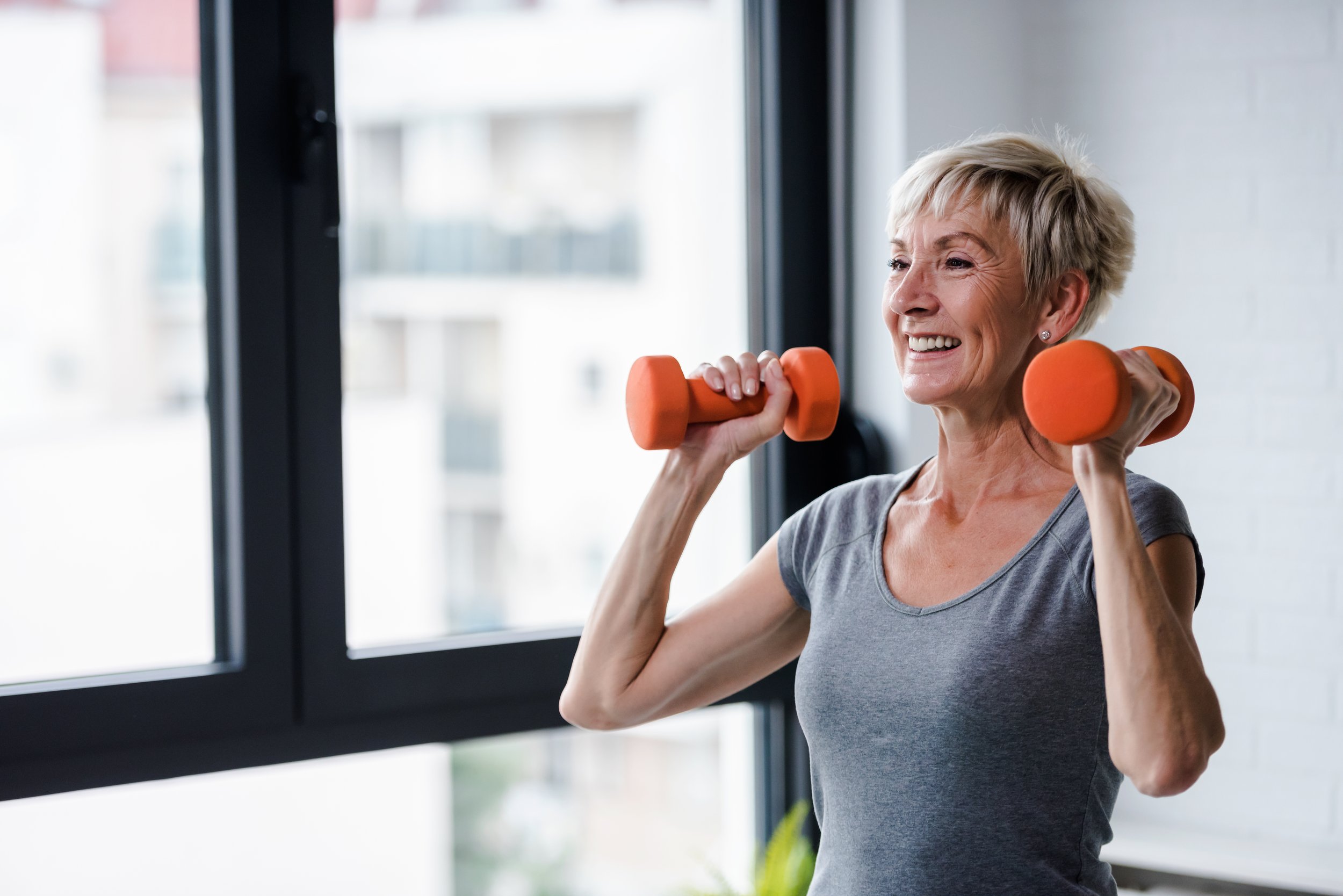
Resistance training helps preserve and build muscle, supports bone health and improves physical function. And no, you don't need to spend hours in the gym! Two or three strength-training sessions each week can be a realistic goal, depending on your fitness level and circumstances. You can use dumbbells, resistance bands, gym equipment or your own body weight.
Walking is another wonderful habit, particularly if you spend much of your day sitting. A short walk after a meal can help reduce the rise in blood glucose that naturally occurs after eating. And don't underestimate everyday movement. Gardening, taking the stairs, dancing in the kitchen and walking to the shops all contribute to an active lifestyle.
My practical tip: Start with a 10-minute walk after lunch or dinner and build from there. Consistency matters far more than trying to achieve perfection.

4. Support Your Stress Levels Without Adding Another Task
Stress is something almost every woman I work with mentions.
And it's hardly surprising. Many women over 40 are managing demanding careers, family responsibilities, relationships and significant hormonal changes, often while putting their own needs last. When stress becomes chronic, it can affect sleep, mood, appetite and our ability to make healthy choices.
But here's something important. You don't need to meditate for an hour every morning or completely transform your lifestyle to begin managing stress more effectively. Sometimes the smallest changes are the most realistic.
Take a few slow, comfortable breaths before starting your next task. Step outside for five minutes of fresh air. Eat lunch away from your computer. Put your phone down and enjoy a quiet cup of tea.
These moments might seem insignificant, but regularly creating opportunities to relax can support your overall wellbeing. I also encourage women to think about what they can remove from their daily routine rather than constantly adding more. Sometimes saying no is one of the healthiest things you can do.
My practical tip: Choose one moment each day when you deliberately slow down, even if it's only for three minutes.

5. Make Sleep a Priority, Not an Afterthought
Sleep is one of the most overlooked aspects of women's health during perimenopause and menopause.
Hormonal changes, night sweats, anxiety and changing sleep patterns can all make it harder to get a good night's rest.
And when you've slept badly, everything feels more difficult. Your concentration suffers, your mood can become unpredictable and managing hunger and cravings may feel harder.
Although you can't always control how well you sleep, you can create conditions that support better rest.
Try keeping your bedroom cool, maintaining regular sleep and wake times, limiting caffeine later in the day and creating a calming evening routine. If hot flushes or night sweats are repeatedly waking you, don't simply accept this as something you must tolerate. Effective treatments are available, and it's worth discussing your symptoms with a healthcare professional.
My practical tip: Start winding down 30 minutes before bedtime. Dim the lights, put your phone aside and give yourself permission to switch off.

6. Stop Chasing Quick Fixes for Menopause Weight Gain
If you've noticed unwanted weight gain around your middle, you're certainly not alone.
Changes in body composition and fat distribution are common during the menopause transition, although ageing, activity levels, sleep and other factors also play important roles. What worries me is how often women respond by drastically cutting calories or following increasingly restrictive diets.
These approaches may produce short-term weight loss, but they can be difficult to sustain and may increase the risk of losing valuable muscle mass. Instead, I encourage women to think about their long-term metabolic health.
Focus on nourishing meals, adequate protein, regular strength training, daily movement and getting enough sleep. If weight loss is appropriate for you, a gradual and sustainable approach is generally preferable to extreme dieting.
And remember, the number on the scales doesn't tell the whole story. Improved strength, better stamina, a healthier relationship with food and feeling more comfortable in your body are all meaningful signs of progress.
My practical tip: Rather than weighing yourself every day, pay attention to how your energy, strength, appetite and overall wellbeing are changing.

7. Build Healthy Habits That Fit Your Real Life
This is perhaps the most important piece of advice I can give you.
Your wellness routine needs to work on your busiest days, not just when you have plenty of time and motivation. If a healthy habit requires enormous effort, expensive ingredients or an unrealistic schedule, you're unlikely to maintain it.
Start small. Prepare an extra portion of dinner so you have lunch ready the following day. Keep nutritious foods in the fridge and cupboard for busy evenings. Put your walking shoes somewhere visible. Arrange a regular time for strength training that fits around your commitments.
And when life gets in the way, as it inevitably will, don't give up. One missed workout or an evening of takeaway food doesn't undo all your progress. Healthy living isn't about being perfect every day. It's about the habits you return to consistently over time.
My practical tip: Choose one habit that feels almost too easy. Once it becomes part of your routine, build on it.

Your Simple 7-Day Wellness Reset
If you're wondering where to begin, I recommend starting with just a few manageable changes.
Day 1: Add a protein-rich food to your breakfast.
Day 2: Include an extra portion of vegetables with lunch or dinner.
Day 3: Enjoy a 10-minute walk after a meal.
Day 4: Take five minutes away from your phone to relax and unwind.
Day 5: Try a short, beginner-friendly strength-training session.
Day 6: Create a calming bedtime routine and aim for a consistent bedtime.
Day 7: Reflect on which changes made you feel better and choose one or two to continue.
You don't have to complete every activity perfectly. The idea is simply to discover what feels manageable and useful for you. Small, repeated actions can become the foundation for lasting improvements in your health.
When Tiredness and Low Energy Need More Than Lifestyle Changes
Although nutrition and lifestyle habits are important, I also want to emphasise that persistent fatigue should never automatically be dismissed as part of menopause.
Low iron levels, thyroid disorders, vitamin B12 deficiency, sleep apnoea and other medical conditions can contribute to tiredness, brain fog and changes in wellbeing. If you're experiencing ongoing exhaustion, unexplained weight changes or symptoms that are affecting your quality of life, speak to your GP or an appropriately qualified healthcare professional.
Sometimes the most important step is understanding what's actually causing your symptoms.

The Most Important Thing I Want Women Over 40 to Understand
You don't need to spend your 40s, 50s and beyond feeling exhausted, frustrated and constantly battling your body. And you certainly don't need another list of impossible rules.
What you need is an understanding of how your body is changing and the confidence to make choices that support your health. I believe this stage of life can be an opportunity to rethink how we care for ourselves.
Not through restriction, guilt or endless quick fixes, but through nourishment, strength, rest and a little more kindness towards ourselves. Because feeling healthy isn't just about your weight or what you see in the mirror.
It's about having the energy to enjoy your life, the mental clarity to do the things you love and the confidence to feel comfortable in your own skin. And that's what realistic wellness for women over 40 is really about.

Ready to Feel More Like Yourself Again?
If you're struggling with low energy, stubborn weight gain, brain fog or other symptoms of perimenopause and menopause, you don't have to work everything out on your own.
Work With Me
As a Registered Nutritional Therapist and menopause specialist, I help women over 40 understand what's happening in their bodies and make personalised, evidence-informed nutrition and lifestyle changes that fit into their everyday lives.
Together, we can explore your symptoms, identify areas that may need additional support and create a realistic plan to help you feel healthier, stronger and more confident.
Discover My Bestselling Book
If you'd prefer to begin your journey at your own pace, my bestselling book, Have a Magnificent Menopause, is packed with practical guidance on nutrition, hormones, lifestyle and wellbeing to help you navigate perimenopause and menopause with greater knowledge and confidence.
It's all about helping you take charge of your health and feel your best through this important stage of life.
And don't forget to explore the recipes and other articles here on my website for more simple, nourishing ideas and realistic wellness advice.
Frequently Asked Questions About Wellness for Women Over 40
Why do women feel more tired after 40?
Hormonal changes during perimenopause and menopause can affect sleep, mood and energy levels. Stress, poor sleep, inadequate nutrition and busy lifestyles can also contribute to fatigue. Prioritising balanced meals, regular movement and quality sleep can help, but persistent tiredness should always be investigated to rule out underlying health conditions.
What is the best way to lose weight during menopause?
Sustainable weight loss during menopause is about more than simply eating less. Focus on protein-rich meals, plenty of fibre, healthy fats and regular strength training to help maintain muscle mass and support metabolic health. Managing stress and getting sufficient sleep are also important. Avoid restrictive diets and aim for realistic habits you can maintain long term.
How can I increase my energy naturally after 40?
Start with the basics: eat regular, balanced meals, include protein at breakfast, stay hydrated and prioritise sleep. Daily walking and strength training can also support energy and overall wellbeing. Managing stress is equally important, particularly during perimenopause and menopause. Small, consistent lifestyle changes are often more sustainable than complicated wellness routines.
How do I start a healthy lifestyle after 40 when I'm already overwhelmed?
Start with one small change rather than trying to overhaul your entire routine. Perhaps add protein to your breakfast, take a 10-minute walk after dinner or create a relaxing bedtime routine. Once that habit feels natural, introduce another. Realistic wellness for women over 40 is about consistency, not perfection, and finding healthy habits that genuinely fit your life.