
How to Lose Belly Fat for Women Over 40: A Science-Backed Guide
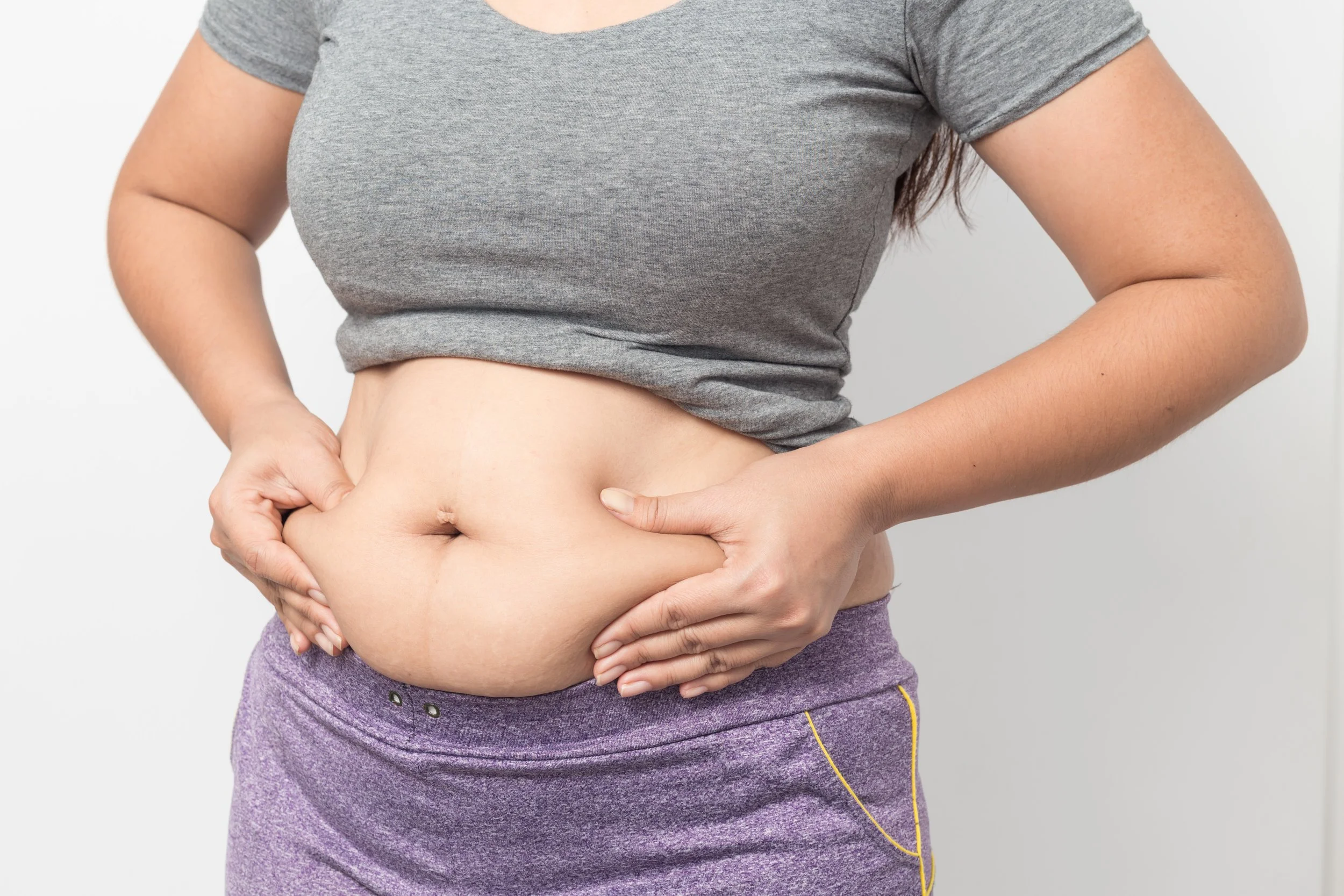
If you are a woman over 40 struggling with stubborn belly fat, you are not imagining it and you are certainly not alone. For many women, weight gain around the middle seems to appear almost overnight during perimenopause and menopause. You may be eating less than before, exercising more and still finding that your waistline is the hardest place to shift fat.
The reason is not a lack of willpower. It is physiology.
Hormonal changes after 40 alter how your body stores fat, how it responds to stress, and how efficiently it uses energy. The encouraging news is that research shows belly fat can be reduced at this stage of life, but the approach needs to be smarter, more supportive and more targeted than traditional dieting.
This guide explains what actually works to lose belly fat after 40, based on current science and real-world clinical experience.
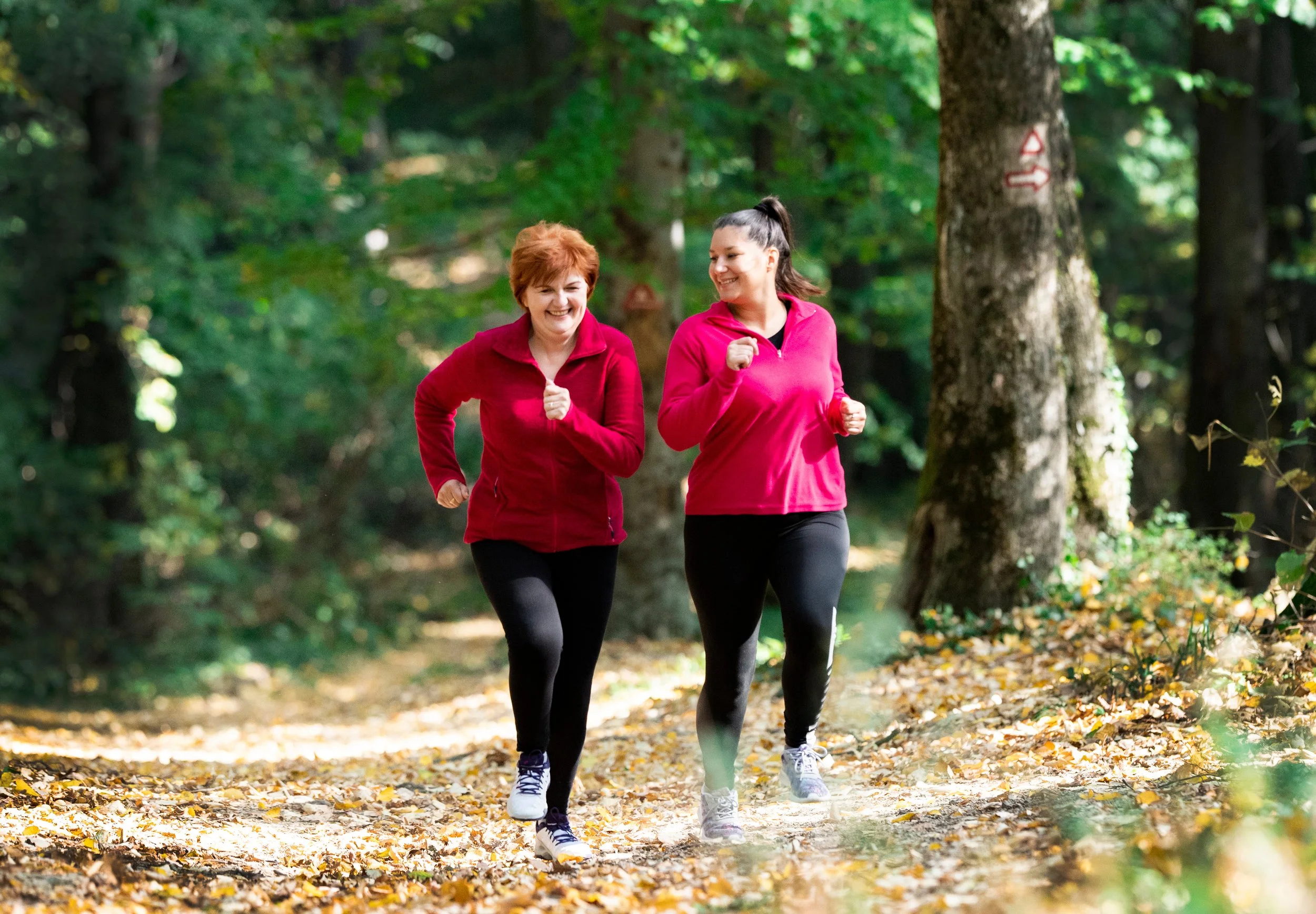
Why Belly Fat Increases After 40
As oestrogen levels fluctuate and decline during perimenopause and menopause, fat storage patterns change. Instead of being stored around the hips and thighs, fat is more likely to accumulate in the abdominal area.
This type of fat, known as visceral fat, sits deep around the internal organs. It is metabolically active and strongly linked to insulin resistance, inflammation, heart disease and type 2 diabetes. This is why belly fat is not just a cosmetic issue.
At the same time, women naturally lose muscle mass with age. This process, called sarcopenia, slows metabolism and reduces calorie burn at rest. Add in high stress levels, poor sleep and busy lives with less movement and the conditions for abdominal fat gain are almost perfect.
Understanding this helps remove the blame and shifts the focus to the right solutions.

Evidence-Based Strategies to Lose Belly Fat After 40
1. Strength Training Is Non-Negotiable
If there is one form of exercise that matters most for belly fat after 40, it is strength training. Research consistently shows that diet alone does not effectively reduce visceral fat. Exercise is essential, particularly resistance training. Strength training helps rebuild muscle, improve insulin sensitivity, and increase metabolic rate.
Aim for two to three full-body sessions per week using compound movements such as squats, deadlifts, rows, lunges, and presses. These exercises engage large muscle groups and create a post-exercise metabolic boost that continues long after your workout ends.
Strength training is not about bulking up. It is about restoring metabolic health and protecting your body as hormones change.
2. Add HIIT Carefully and Strategically
High-intensity interval training, or HIIT, can be very effective for reducing abdominal fat when used correctly. Short bursts of high-intensity effort followed by recovery periods improve insulin sensitivity and fat oxidation more efficiently than long sessions of steady cardio. For women over 40, less is often more.
Two short HIIT sessions per week, lasting 15 to 25 minutes, is usually enough. It is important to build gradually and avoid overdoing intensity, as excessive HIIT can raise cortisol and work against fat loss.
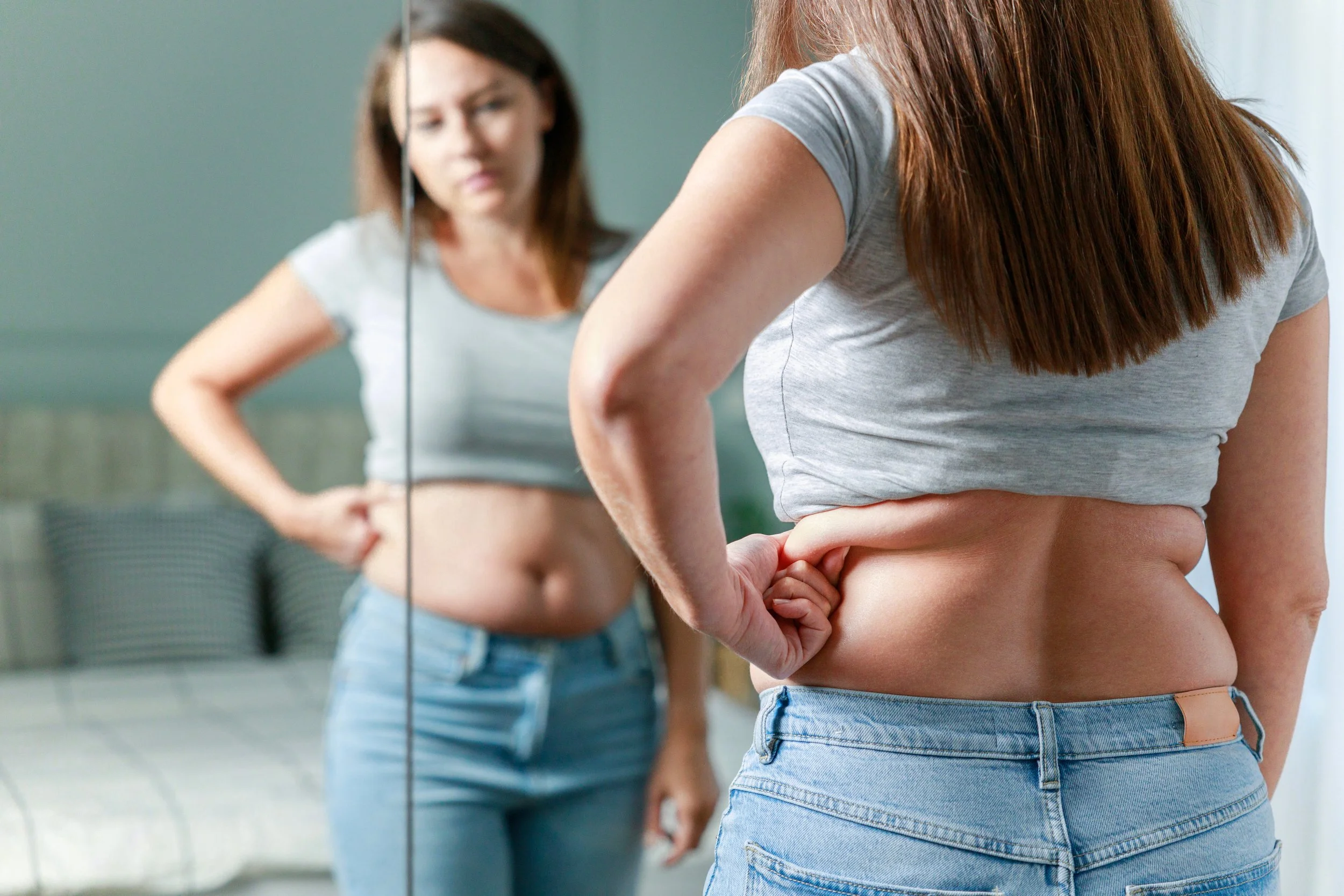
3. Walk More Than You Think You Need To
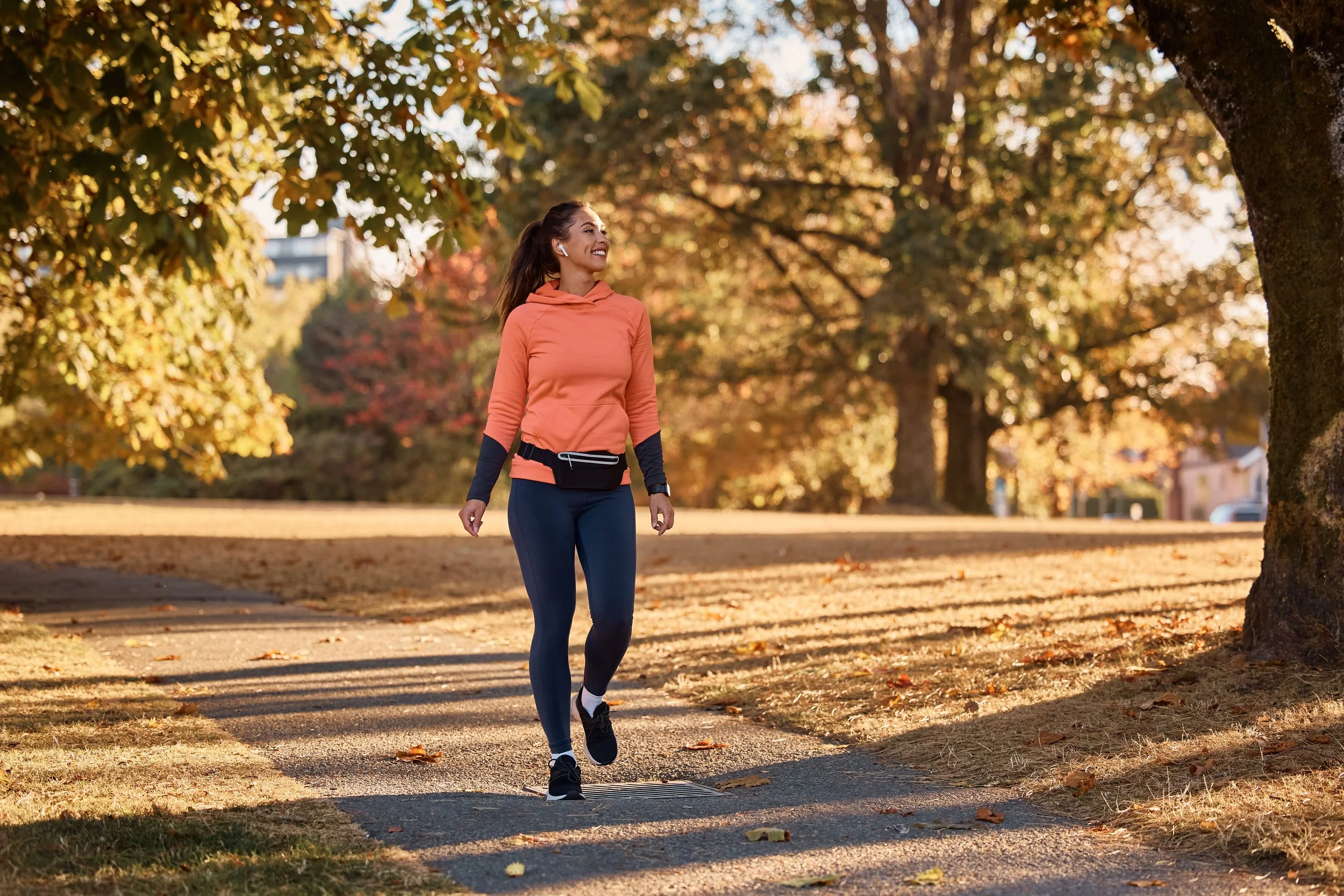
Walking is one of the most underestimated tools for losing belly fat after 40.
Regular walking lowers cortisol, improves blood sugar control, supports digestion, and enhances fat metabolism without stressing the nervous system. It is also one of the most sustainable habits you can build. Aim for 8,000 to 10,000 steps per day where possible. Even short walks after meals can significantly improve glucose handling and reduce fat storage around the abdomen.

4. Eat Enough Protein to Protect Muscle
How Much Protein Do Women Over 40 Really Need?
Protein needs often increase during perimenopause and menopause, particularly if you are trying to lose weight or maintain muscle. However, there is no single “perfect” number that suits every woman.
For many women, a useful starting point is aiming for around 1.2 grams of protein per kilogram of body weight, adjusting up or down depending on appetite, activity level and how your body responds. Women who strength train regularly or are actively trying to preserve muscle may benefit from slightly more.
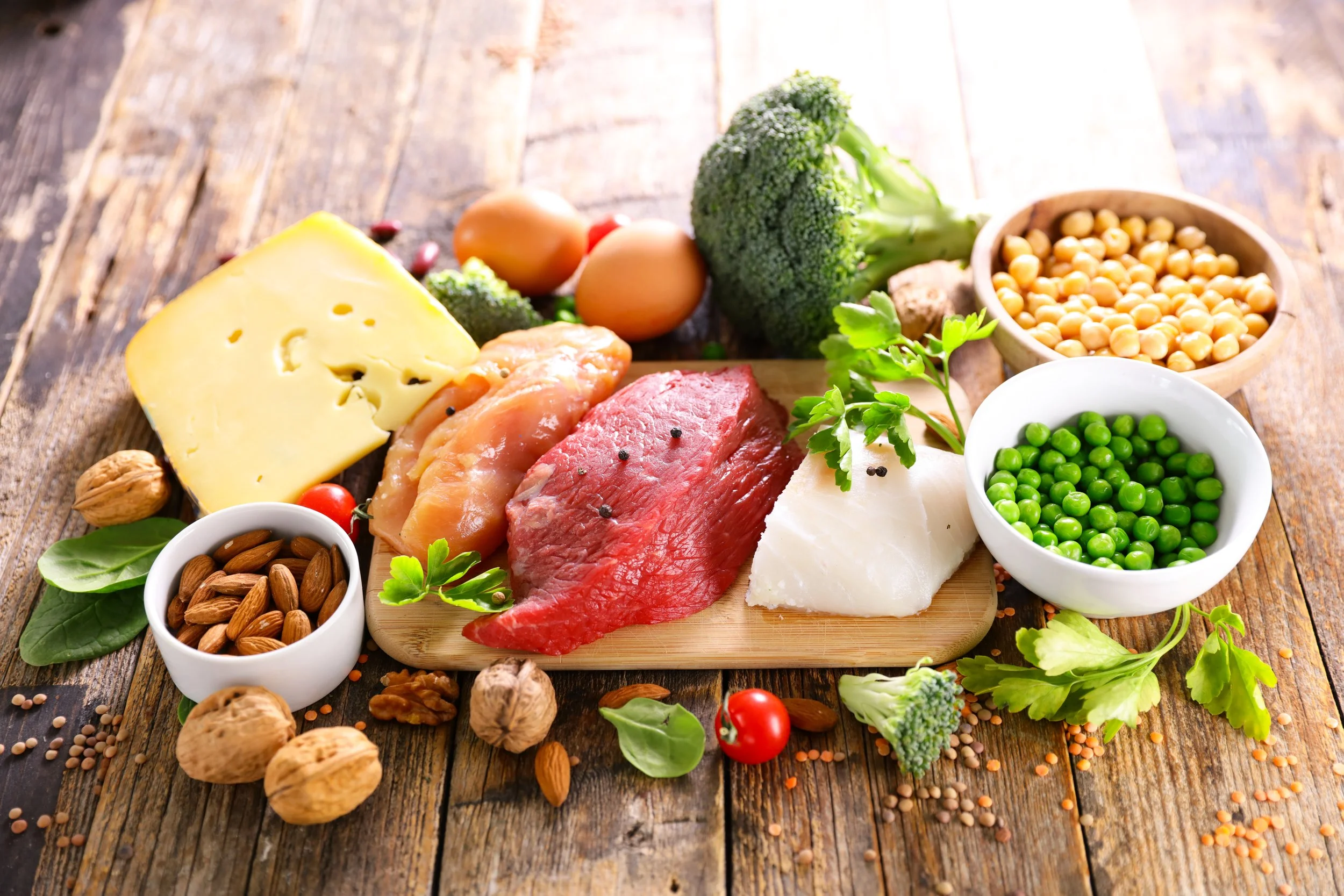
What matters just as much as the total amount is how protein is distributed across the day. Including a source of protein at each meal helps support muscle, stabilise blood sugar, and reduce cravings. Focusing on whole food protein sources is key. This might include eggs, fish, poultry, Greek yoghurt, cottage cheese, legumes, nuts, seeds, and, where helpful, a simple, good-quality protein powder.
Protein works best alongside strength training, but it should always be part of a balanced, nourishing approach rather than another rigid rule to follow
5. Manage Stress to Lower Cortisol
Chronic stress is one of the most overlooked drivers of belly fat in women over 40. High cortisol levels signal the body to store fat centrally, particularly around the abdomen. Women who experience ongoing stress tend to accumulate more visceral fat, even when calorie intake is not excessive.
Daily stress-regulation practices make a real difference. This might include breathing exercises, mindfulness, gentle yoga, time outdoors, or simply protecting downtime in your schedule.
Stress management is not optional. It is metabolic care.
6. Prioritise Sleep for Hormonal Balance
Poor sleep is strongly linked to increased belly fat. Sleep deprivation disrupts hunger hormones, worsens insulin resistance, increases inflammation, and alters how fat is stored. Women sleeping fewer than seven hours per night consistently show higher levels of visceral fat.
Aim for seven to nine hours of quality sleep. Keep bedtimes consistent, create a cool and dark sleeping environment, limit screens in the evening, and avoid heavy meals or alcohol close to bedtime.
Sleep is one of the most powerful fat-loss tools you already have.

7. Use Intermittent Fasting with Care
Intermittent fasting can help some women over 40 improve insulin sensitivity and reduce abdominal fat, but it is not suitable for everyone. Short overnight fasting windows of 12 to 14 hours are often well tolerated and supportive. Longer or more aggressive fasting can increase stress, disrupt thyroid function, and worsen fatigue if not managed carefully.
The focus should always be on nourishment, not restriction. If fasting increases anxiety, disrupts sleep, or leads to overeating, it is not the right approach.

8. Be Strategic with Alcohol
Alcohol affects women differently. Hormonal changes slow alcohol metabolism and increase its impact on sleep, blood sugar, and fat storage. Even moderate intake can worsen hot flushes, disrupt sleep, and promote abdominal fat accumulation.
Reducing alcohol, especially during the week, often leads to noticeable improvements in waist circumference, energy and sleep quality.
9. Increase Fibre and Reduce Added Sugar
Fibre is essential for gut health, blood sugar control, and appetite regulation.
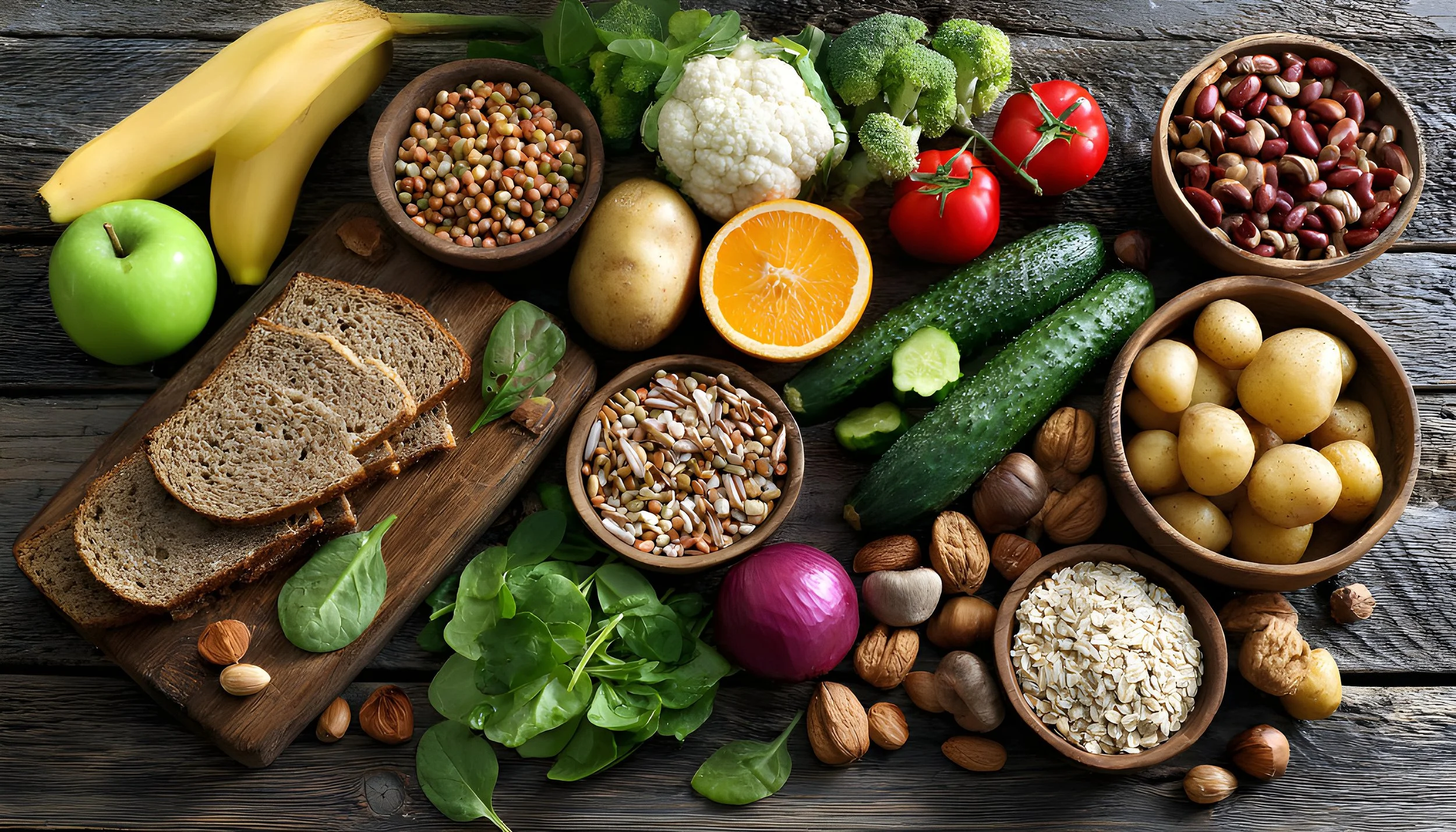
Aim for at least 25 grams of fibre per day from vegetables, berries, legumes, seeds, nuts, and whole foods. At the same time, keep added sugars as low as possible.
This combination supports insulin sensitivity and reduces the hormonal signals that drive belly fat storage.
What This Looks Like in Real Life
A balanced week might include two to three strength training sessions, daily walking, one or two short HIIT sessions, regular protein-rich meals, consistent sleep routines, and intentional stress reduction.
This is not about doing everything perfectly. It is about creating the right environment for your body to feel safe enough to let go of stored fat.
The Bottom Line
Losing belly fat after 40 requires a shift in strategy, not more restriction. Hormonal changes mean your body responds best to approaches that protect muscle, regulate stress, support sleep, and stabilise blood sugar. When these foundations are in place, visceral fat becomes far more responsive.
Be patient, be consistent and remember that progress at this stage of life is measured not just in centimetres lost, but in energy gained, confidence restored, and health protected for the years ahead.
Want Practical, Real-Life Support That Actually Works?
If you want clear, science-backed guidance on energy, weight, mood, sleep, confidence, and feeling good in your body again after 40, my book brings everything together in a realistic, supportive way.
Have a Magnificent Menopause: A Straightforward Guide to Looking Good and Feeling Great is designed for women who are tired of conflicting advice and want to understand what is happening in their bodies and what genuinely helps.
Inside, I share practical nutrition, lifestyle, movement, skincare, and mindset strategies that work with your hormones, not against them.
You can find the book below
References
Daubenmier, J., Kristeller, J., Hecht, F., et al. (2011) Mindfulness intervention for stress eating to reduce cortisol and abdominal fat among overweight and obese women. Obesity, 19(4), pp. 751–759.
Bauer, J., Biolo, G., Cederholm, T., Cesari, M., Cruz Jentoft, A.J., Morley, J.E., Phillips, S., Sieber, C., Stehle, P., Teta, D., Visvanathan, R., Volpi, E. and Boirie, Y. (2013) ‘Evidence based recommendations for optimal dietary protein intake in older people: A position paper from the PROT AGE Study Group’, Journal of the American Medical Directors Association, 14(8), pp. 542–559. doi:10.1016/j.jamda.2013.05.021.
Deutz, N.E.P., Bauer, J.M., Barazzoni, R., Biolo, G., Boirie, Y., Bosy Westphal, A., Cederholm, T., Cruz Jentoft, A.J., Krznariç, Z., Nair, K.S., Singer, P., Teta, D., Tipton, K., Calder, P.C. and Forbes, A. (2014) ‘Protein intake and exercise for optimal muscle function with ageing: Recommendations from the ESPEN Expert Group’, Clinical Nutrition, 33(6), pp. 929–936.
Giannopoulou, I., Ploutz-Snyder, L., Carhart, R., et al. (2005) Exercise is required for visceral fat loss in postmenopausal women with type 2 diabetes. Journal of Clinical Endocrinology and Metabolism, 90(3), pp. 1511–1518.
Moyer, A., Rodin, J., Grilo, C. and Cummings, N. (1994) Stress-induced cortisol response and fat distribution in women. Obesity Research, 2(3), pp. 255–262.
Sleep Medicine (2024) Shorter sleep duration is associated with greater visceral fat mass in women. Sleep Medicine, 108, pp. 42–49.
Frontiers in Endocrinology (2025) The relationship between abdominal fat and sleep quality. Frontiers in Endocrinology, 16, Article 1298473.
International Journal of Obesity (2012) Alcohol consumption and body weight change in postmenopausal women. International Journal of Obesity, 36(9), pp. 1158–1164.
Volkert, D., Beck, A.M., Cederholm, T., Cruz Jentoft, A., Hooper, L., Kiesswetter, E., Maggio, M., Raynaud Simon, A., Sieber, C.C., Sobotka, L., van Asselt, D. and Wirth, R. (2019) ESPEN guideline on clinical nutrition and hydration in geriatrics. Clinical Nutrition, 38(1), pp. 10–47.