
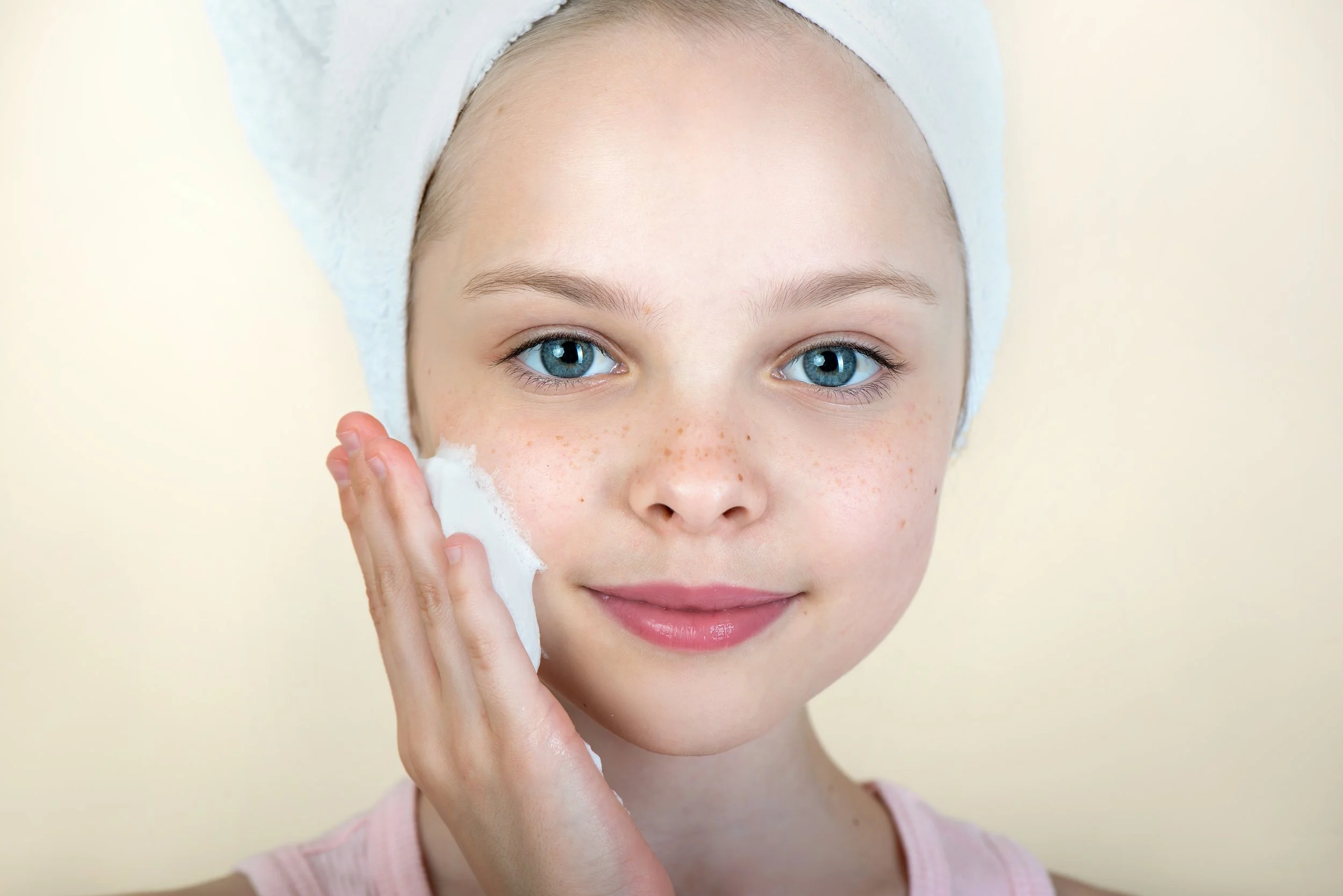
What Is Cosmeticorexia and Why Is It Raising Concern?
A new term has recently emerged in the beauty and skincare world: Cosmeticorexia. It describes an unhealthy preoccupation with skincare, beauty products and the pursuit of flawless skin. While skincare has traditionally been viewed as a form of self-care, experts are becoming increasingly concerned about the growing number of children who are developing complex skincare routines and using products designed for much older skin.
As a qualified aesthetician with more than 35 years of experience in the beauty industry, I never imagined I would see girls younger than 10 worrying about wrinkles, ageing and preventing lines that may not appear for decades. Yet this is becoming increasingly common. Children are being exposed to skincare trends through social media at an age when many are still learning about basic personal care.
What concerns me most is not skincare itself. Looking after our skin is important. The concern is that many children are learning to view perfectly healthy skin as something that needs fixing.
As someone who has worked with skin for more than three decades, I have seen many trends come and go. However, I never expected to see children becoming concerned about ageing before they had even reached puberty. The beauty industry has the power to build confidence and educate people about healthy skin, but we also have a responsibility to challenge unrealistic beauty standards when they begin affecting the wellbeing of the next generation.
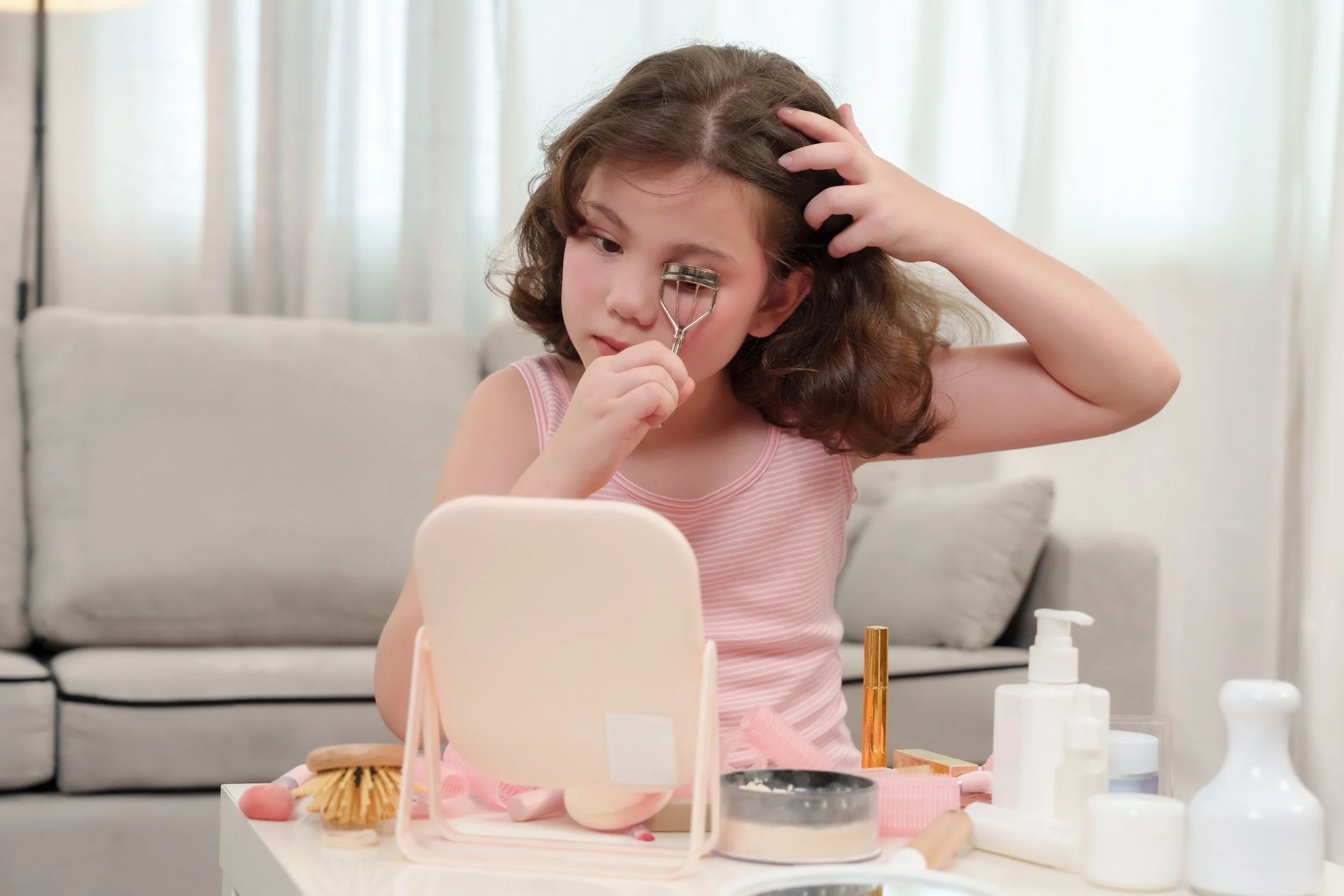
How Social Media Is Fueling Cosmeticorexia
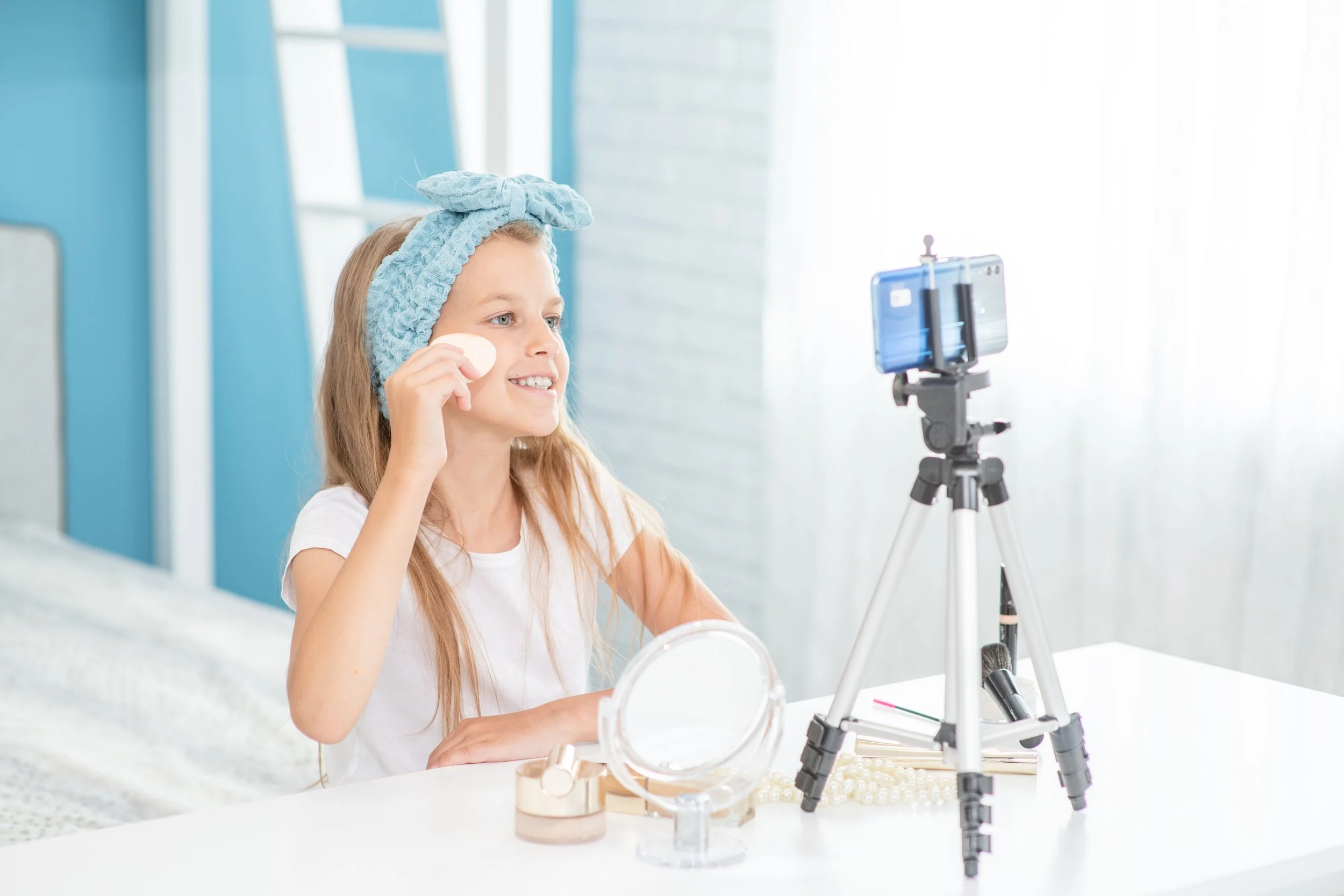
Social media has transformed the way young people learn about beauty. Platforms such as TikTok and Instagram are filled with skincare routines, product recommendations and influencers sharing their "must-have" anti-ageing products. While some content is educational, much of it promotes unrealistic beauty standards and encourages viewers to strive for perfection.
Children are particularly vulnerable to these messages because they are still developing their sense of self and identity. They often lack the experience to distinguish between genuine skincare advice and sophisticated marketing. When they repeatedly see flawless, filtered skin presented as normal, they may begin to believe that pores, texture and blemishes are signs that something is wrong with their own appearance.
The result is a growing obsession with achieving perfect skin, often through increasingly complicated skincare routines. Some children are using multiple serums, exfoliants and anti-ageing products before they have even reached puberty.
The Risks of Anti-Ageing Skincare for Children
One of the most worrying aspects of Cosmeticorexia is the growing use of active skincare ingredients among children and young teenagers. Products containing retinol, exfoliating acids and other potent ingredients have become commonplace in online skincare discussions, yet these products are rarely necessary for young skin.
Children generally have healthy, resilient skin that does not require anti-ageing interventions. In fact, using powerful ingredients too early can disrupt the skin barrier and lead to problems that were not there to begin with. Overuse of active ingredients may contribute to irritation, redness, dryness, sensitivity and even breakouts.
There is a certain irony in this trend. In the pursuit of perfect skin, some children may end up damaging perfectly healthy skin.
The Impact on Confidence and Body Image
Although Cosmeticorexia appears to be a skincare issue on the surface, I believe it is fundamentally a confidence and wellbeing issue. The products themselves are only part of the story. The bigger concern is the message children are receiving about their appearance.
For many young people, skincare is no longer simply about keeping skin clean and healthy. It is becoming linked to self-worth. When children learn to scrutinise every pore, every blemish and every perceived imperfection, they may begin to develop an unhealthy relationship with their appearance.
This raises important questions for parents, educators and those of us working within the beauty industry. What happens when children become concerned about ageing before they have even reached puberty? What happens when flawless skin becomes the standard they believe they must achieve?
When children start worrying about wrinkles before they have even reached puberty, something has gone badly wrong.
What Healthy Skincare for Children Should Look Like
In most cases, children's skincare should be straightforward and uncomplicated. A gentle cleanser, a moisturiser if needed and daily sun protection are often sufficient. The goal should be to support skin health rather than to chase perfection.
As beauty professionals, we have a responsibility to promote realistic expectations and healthy habits. We should be teaching young people that skin naturally has pores, texture and occasional blemishes. These are signs of normal human skin, not flaws that need correcting.
By encouraging a balanced approach to skincare, we can help children develop confidence in their appearance rather than dependence on products.

Final Thoughts on Cosmeticorexia
The rise of Cosmeticorexia should be a wake-up call for all of us. While skincare can be a positive part of self-care, there is a clear difference between caring for the skin and becoming obsessed with achieving perfection.
Social media has created unprecedented access to beauty information, but it has also exposed children to pressures that previous generations never experienced. As parents, educators and beauty professionals, we need to ensure that young people understand that healthy skin is not the same as flawless skin.
Perhaps the most important message we can share is this: healthy skin is normal skin. It has pores, texture and imperfections. It does not need to be filtered, edited or perfected to be beautiful.
If you're interested in healthy ageing, skin health and feeling confident in your own skin, you may enjoy my number one bestselling book, Have a Magnificent Menopause.
The book is packed with practical advice on nutrition, lifestyle, hormones, wellbeing and looking your best during midlife and beyond.
Learn more below