
Have We Been Sold a Fear of Ageing? Why Trying to Look Younger May Be Making Women Unhappy
When Did Ageing Become Something to Fear?
For much of history, ageing was associated with wisdom, experience and respect. Growing older was seen as a sign of a life well lived, with age often bringing greater status within families and communities. Today, however, the narrative surrounding ageing has changed dramatically. Many women feel increasing pressure to maintain a youthful appearance, often receiving the message that looking older is something to be avoided rather than embraced.
This pressure is reflected in the concerns many women have about visible signs of ageing. A survey by the British Skin Foundation found that wrinkles, loss of firmness and other age-related skin changes are among the most common appearance concerns reported by women. At the same time, research continues to demonstrate the impact that unrealistic beauty standards can have on self esteem, body image and overall wellbeing.
Social media has undoubtedly played a significant role in amplifying these pressures. We are exposed daily to carefully curated images, celebrity lifestyles and seemingly flawless faces that can create unrealistic expectations about how we should look as we age. What is easy to forget is that many of these images do not accurately reflect reality. Professional lighting, editing software, filters and cosmetic procedures can dramatically alter appearance, creating standards that are often impossible to achieve naturally.
The problem is not simply that these images exist, but that repeated exposure to them can gradually influence how we see ourselves. Instead of appreciating the natural changes that occur with age, many women find themselves comparing their own reflection to highly edited or enhanced versions of other people. Over time, this can lead to the feeling that normal signs of ageing are flaws to be corrected rather than natural markers of a life filled with experiences, challenges, achievements and growth.
Perhaps this is one of the reasons so many women become dissatisfied with their appearance as they get older. We have become surrounded by messages that celebrate youth while rarely celebrating the confidence, resilience, knowledge and self-assurance that often come with age. As a result, many women begin to fear ageing itself, when in reality there is nothing wrong with growing older. The real challenge may be learning to view ageing through a healthier and more compassionate lens.
The Menopause Effect
For many women, concerns about ageing and appearance become much more noticeable during perimenopause and menopause, and this is hardly surprising. The hormonal changes that occur at this stage of life can affect almost every part of the body, including the skin, hair, muscles, mood, sleep, metabolism and energy levels.
Oestrogen plays an important role in collagen production, skin hydration and elasticity. Research suggests that women can lose up to 30% of their skin collagen during the first five years after menopause, with a continued decline thereafter (Brincat et al., 1987). At the same time, muscle mass can naturally decrease, body composition may change, and sleep often becomes more disrupted. These changes can leave many women feeling as though their body is changing faster than they expected.
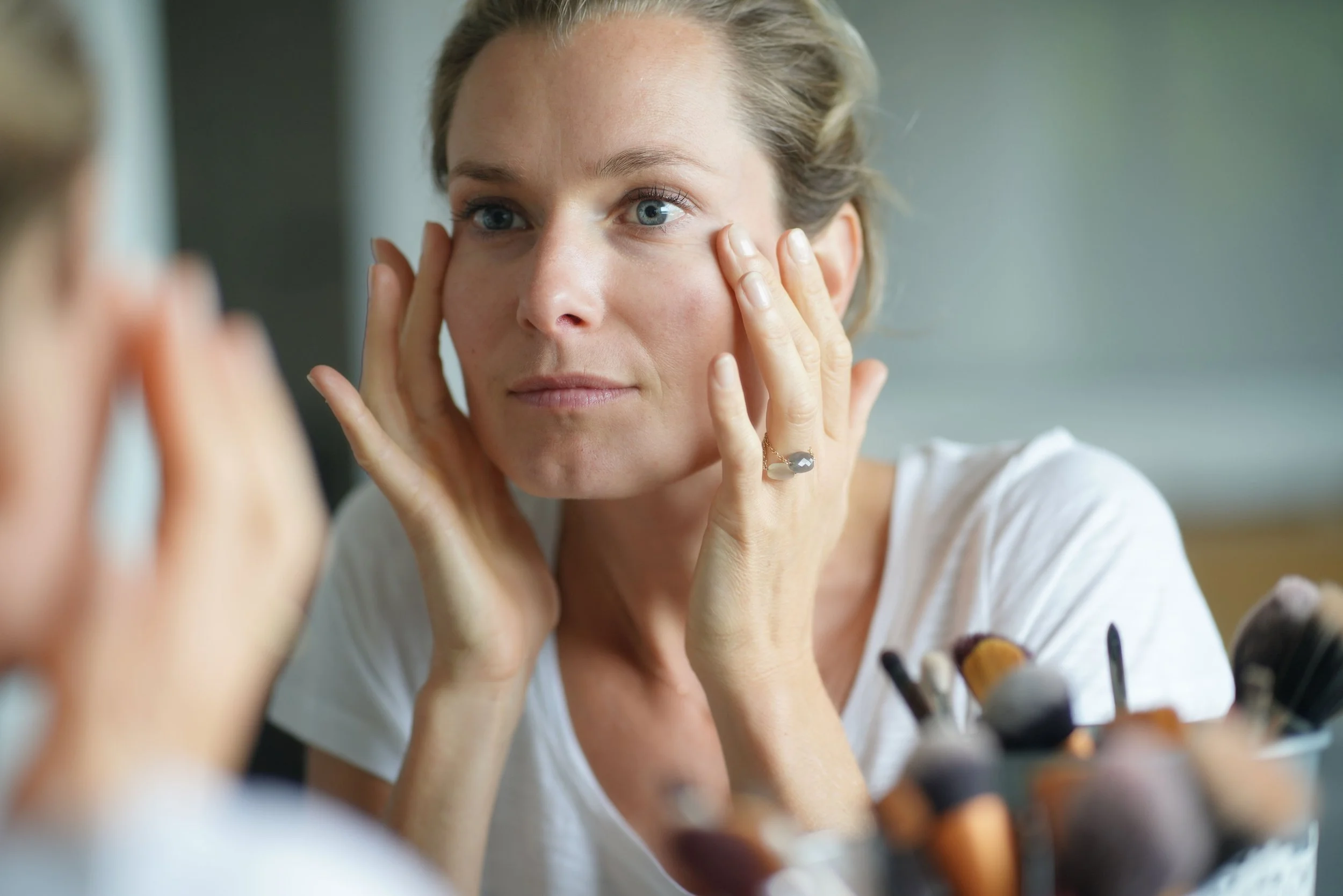
Many women tell me they no longer recognise the person looking back at them in the mirror. This can feel unsettling, especially when the changes seem to happen at the same time as many other life pressures, such as work, family responsibilities, ageing parents or relationship changes.
The challenge is that these physical changes can sometimes trigger a much deeper emotional response. It is often not just about the wrinkle, the grey hair or the extra weight around the middle. It can be about identity, confidence and how a woman sees herself in the world. Women may find themselves wondering, “Who am I now?”, “Will people see me differently?” or “Am I becoming invisible?”
These are very real concerns, and they deserve far more attention than simply being offered another miracle cream. Women need practical support, honest conversations and realistic strategies that help them feel strong, healthy, confident and visible at every stage of life.
There Is Nothing Wrong With Wanting to Look Good
One of the reasons I find this topic so fascinating is that it is often presented as an either-or situation. We are led to believe that we must either embrace ageing completely and reject beauty treatments altogether, or spend our lives chasing youth and trying to turn back the clock. In reality, the conversation is far more nuanced than that.
As both a nutritional therapist and aesthetician, I believe it is entirely possible to embrace ageing while still caring about your appearance. Women can appreciate the wisdom and confidence that come with age while enjoying skincare, looking after their hair, wearing make-up or choosing aesthetic treatments if they wish. They can accept the natural changes that occur in their bodies while continuing to exercise, build strength and take pride in their health and wellbeing.
Looking after your appearance does not automatically mean you are insecure or unhappy with who you are. In fact, many of the women I work with simply want to feel like the best version of themselves. They want to feel healthy, confident and comfortable in their own skin, and there is absolutely nothing wrong with that.
Research suggests that feeling good about our appearance can positively influence confidence, social engagement and overall wellbeing. The important question is not whether we choose to invest in ourselves, but why we are doing it. Are our choices coming from a place of self care and self respect, or are they driven by a constant desire to fix perceived flaws and meet unrealistic standards?
For me, that distinction is crucial. There is a world of difference between nurturing yourself because you value yourself and constantly criticising yourself because you believe you are no longer good enough. One approach builds confidence and wellbeing, while the other can leave us feeling as though we are fighting a battle that can never truly be won.
The Cost of Chasing Youth
The financial cost of chasing youth is easy to see. Many women spend thousands of pounds over their lifetime on products, treatments and procedures that promise smoother, firmer, younger-looking skin.
However, the emotional cost can be far greater.
How much time do we spend worrying about wrinkles, changes in our body shape or whether we look tired, older or different? How many holidays, special occasions or photographs have been overshadowed by concerns about weight gain, ageing skin or not looking like the version of ourselves we remember? And how much mental energy is spent comparing ourselves to women online who may be using filters, editing apps, perfect lighting or cosmetic enhancements?
When we become overly focused on changing our appearance, we risk missing the very things that make life meaningful: our relationships, experiences, achievements, personal growth and the joy of being fully present in our lives.
This is not an argument against skincare, cosmetic procedures or aesthetic treatments. I work in these fields and understand the confidence and wellbeing benefits they can offer. It is simply a reminder that our value extends far beyond what we see in the mirror.
Healthy Ageing Versus Anti Ageing
Perhaps the biggest shift we need to make is moving away from the idea of "anti ageing" altogether. Ageing is not a disease. It is a natural biological process. What we can influence is how well we age.
The World Health Organisation describes healthy ageing as maintaining functional ability, independence and quality of life as we grow older.
This means focusing on habits that genuinely support long-term wellbeing:
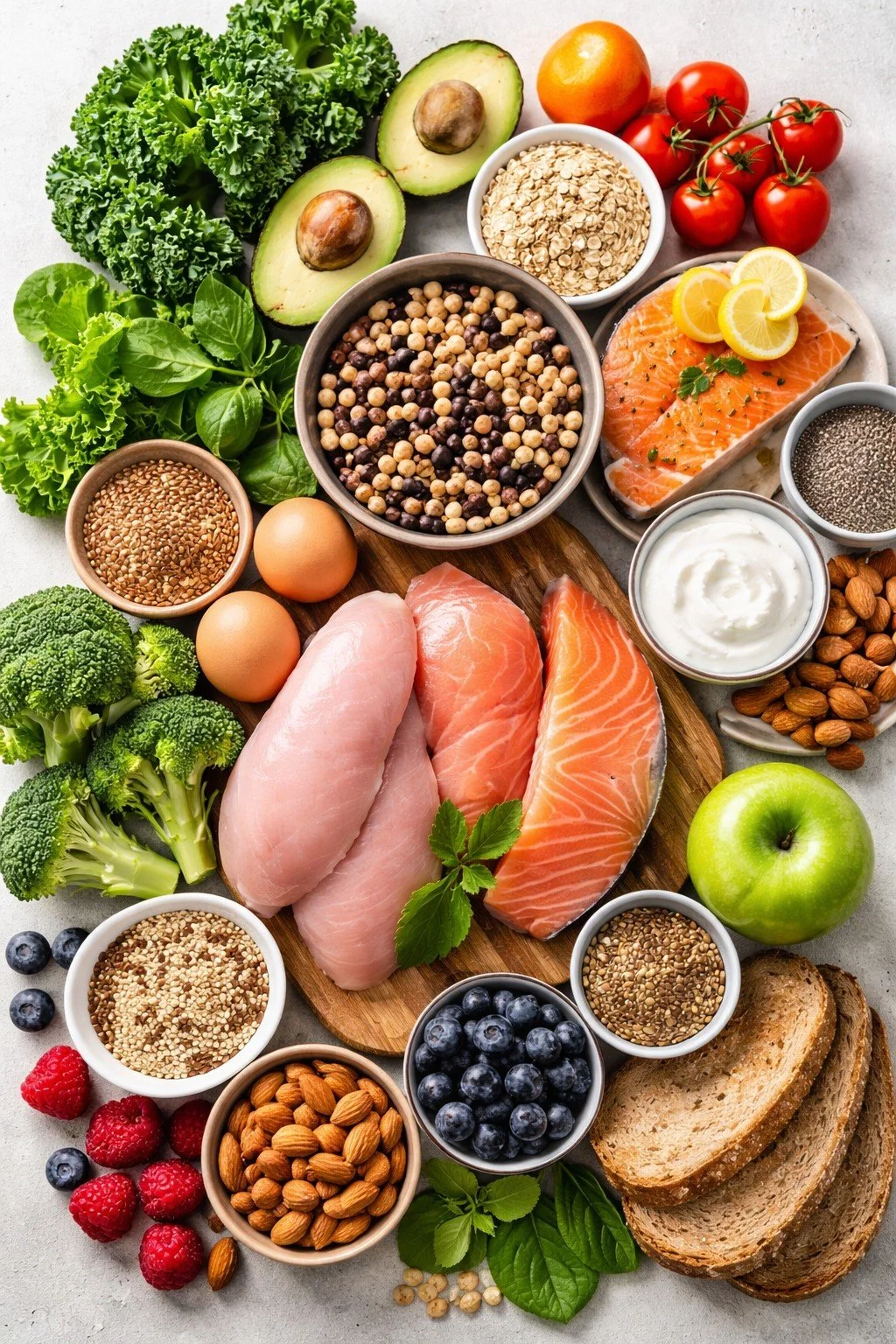
Strength training to preserve muscle and bone health
Eating adequate protein and nutrient-dense foods
Prioritising quality sleep
Managing stress
Staying socially connected
Supporting metabolic health
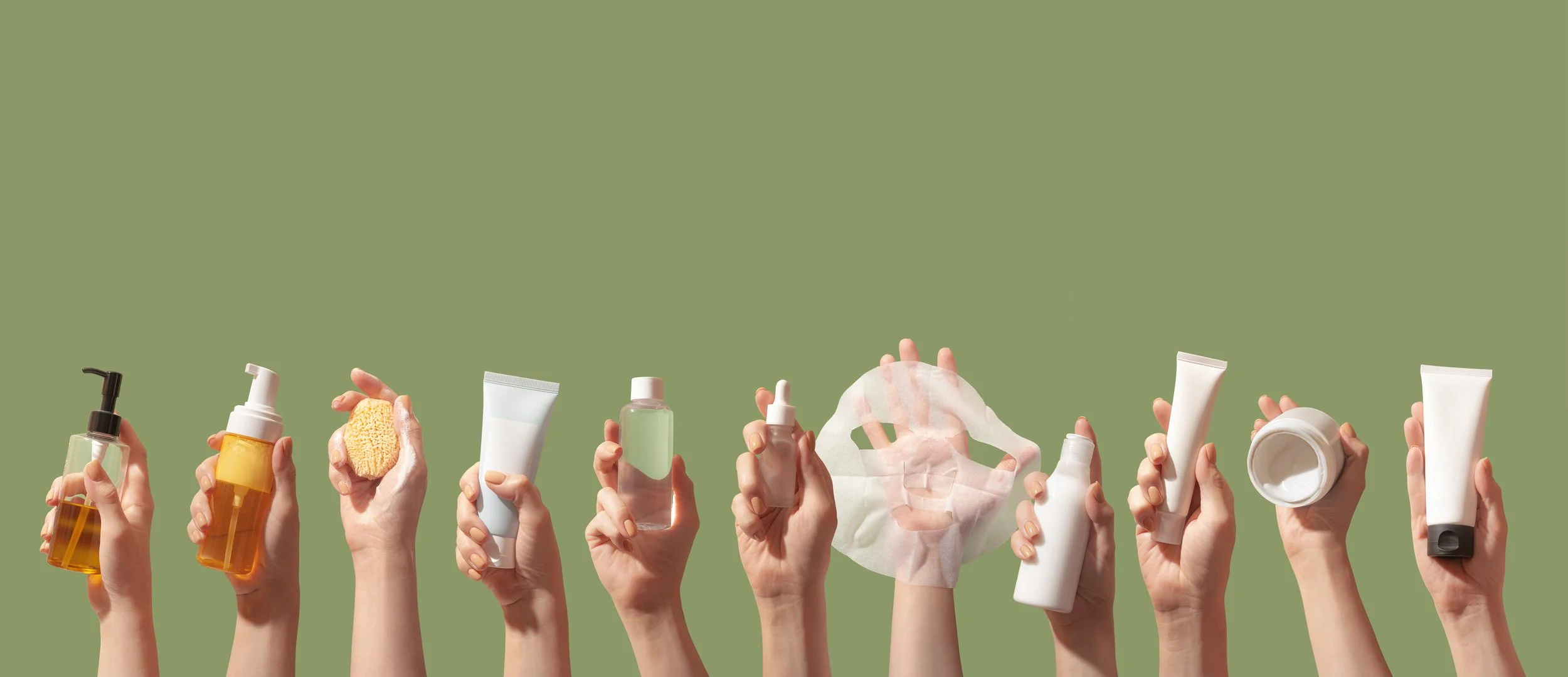
Looking after skin health through nutrition, hydration and appropriate skincare
Interestingly, these are the same habits that often improve appearance naturally. Healthy skin, bright eyes, better posture, stronger muscles and greater vitality are often the visible signs of good health.
A More Empowering Goal
What if the goal wasn't to look younger?
What if the goal was to look vibrant, healthy and confident at every age? Imagine how much energy women could redirect if they stopped trying to become a previous version of themselves and instead focused on becoming the strongest, healthiest and happiest version of who they are today.
Because the truth is that every line, scar and change tells a story.
A story of resilience. A story of experience. A story of overcoming challenges, raising families, building careers, caring for loved ones and navigating life's ups and downs. Perhaps the problem isn't that we age. Perhaps the problem is that we've been taught to see ageing as failure rather than evidence of a life that continues to evolve.
Three Questions to Ask Yourself
Before you close this article, take a moment to reflect.
Am I looking after my appearance because I enjoy it, or because I fear ageing?
Do my daily habits support my long-term health as much as my appearance?
If I spoke to a friend the way I speak to myself about ageing, what would I say differently?
Your answers may reveal more than you expect.
I believe women deserve both.
We can embrace ageing while still wanting to look good.
We can appreciate our laugh lines and still use a moisturiser.
We can accept our changing bodies and still work on our health.
We can colour our hair, enjoy a facial, wear make-up or invest in skincare without feeling ashamed of it.
The goal should never be to look 25 again.
The goal is to feel vibrant, confident and healthy at the age you are today.
Because true beauty isn't about turning back the clock. It's about carrying your years with strength, vitality and self respect.
And perhaps that is the greatest freedom of all. Not spending your life trying to become a younger version of yourself, but learning to appreciate the woman you are becoming.
Ready to Feel Great at Every Age?
If this article resonated with you, my book "Have a Magnificent Menopause: A Straightforward Guide to Looking Good and Feeling Great" is packed with practical, evidence-based advice to help you navigate perimenopause, menopause and beyond.
Inside, you'll discover realistic strategies for:
✔ Boosting energy and reducing fatigue
✔ Managing weight and cravings
✔ Supporting healthy skin from the inside out
✔ Improving sleep and mental clarity
✔ Building healthy habits that last
✔ Looking and feeling your best during midlife and beyond
Because ageing well isn't about fighting your body. It's about understanding it, supporting it and giving it what it needs to thrive.
References
American Psychological Association (2023) Body Image and Social Media Research Overview.
Calleja-Agius, J. and Brincat, M.P. (2023) 'The impact of menopause on skin and ageing', Climacteric, 26(5), pp. 437–444.
Grand View Research (2024) Anti-Aging Market Size, Share & Trends Analysis Report.
Moy, L.S., Murad, A. and Moy, R.L. (2024) 'Menopause and skin ageing: understanding the role of oestrogen decline in skin health', Journal of Clinical and Aesthetic Dermatology, 17(2), pp. 25–32.
The Menopause Society (2024) Menopause and Skin Health Position Statement.
World Health Organization (2025) Ageing and Health.
World Health Organization (2025) Healthy Ageing Framework.
For the section about social media and unrealistic beauty standards, I would add:
Rodgers, R.F. and Wertheim, E.H. (2024) 'Social media use and body image concerns among women: a review of recent evidence', Current Opinion in Psychology, 57.