

If you feel wired but tired, easily overwhelmed, anxious for no clear reason, or stuck in fight or flight mode, your nervous system may be asking for support. During perimenopause and menopause, hormonal shifts place extra demand on the nervous system. Oestrogen normally helps regulate stress responses and neurotransmitters like serotonin and GABA. As levels fluctuate and decline, many women notice more anxiety, poorer sleep, low mood and reduced resilience to everyday stress.
The good news is that food can be a powerful ally. What you eat daily sends signals to your brain and nervous system, influencing how calm, focused and steady you feel. In this article, I’ll walk you through the most important foods for your nervous system and how to use them in a realistic, everyday way.
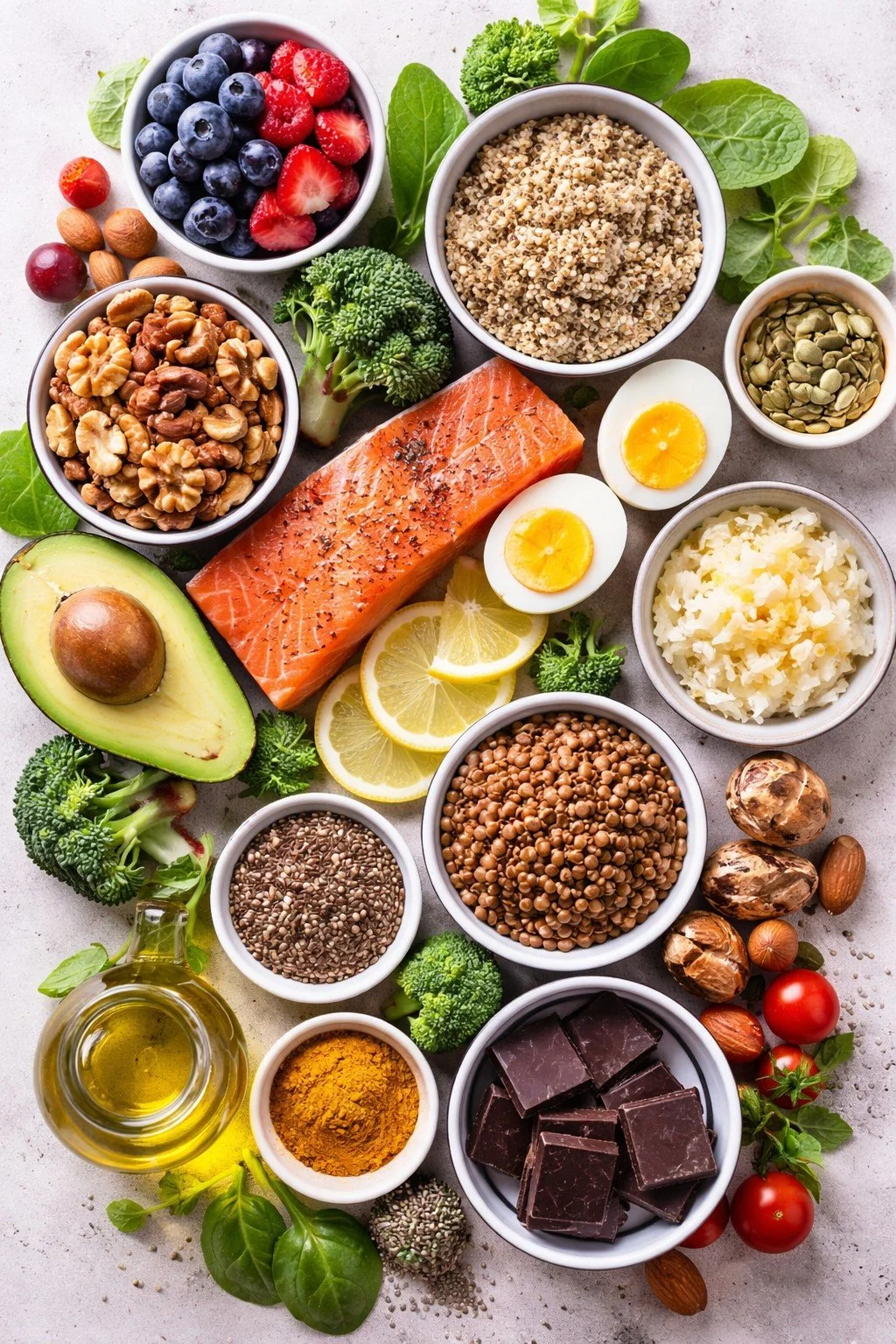
How Food Affects the Nervous System
Your nervous system relies on a steady supply of nutrients to produce neurotransmitters, regulate inflammation, stabilise blood sugar and support your stress hormones.
When meals are skipped, overly restrictive, or dominated by sugar and ultra processed foods, the nervous system stays on high alert. This can show up as anxiety, irritability, poor concentration, sleep issues and that constant sense of being on edge. Supporting your nervous system with food is not about getting it right all the time. It is about doing the basics more often than not, building steady habits, and choosing foods that help you feel calmer and more grounded.
1. Protein Rich Foods for Neurotransmitter Support
Protein provides amino acids, which are the building blocks for neurotransmitters such as serotonin, dopamine, and GABA. These chemicals influence mood, motivation, calmness and sleep.
Without enough protein, many women feel shaky, anxious, tired, tearful, or mentally flat.
Best choices include:
Eggs
Greek yoghurt and cottage cheese
Fish and seafood
Chicken and turkey
Lentils, chickpeas and beans
Tofu and tempeh
Practical tip: Aim to include a source of protein at every meal, especially breakfast. This alone can significantly reduce morning anxiety and improve focus.
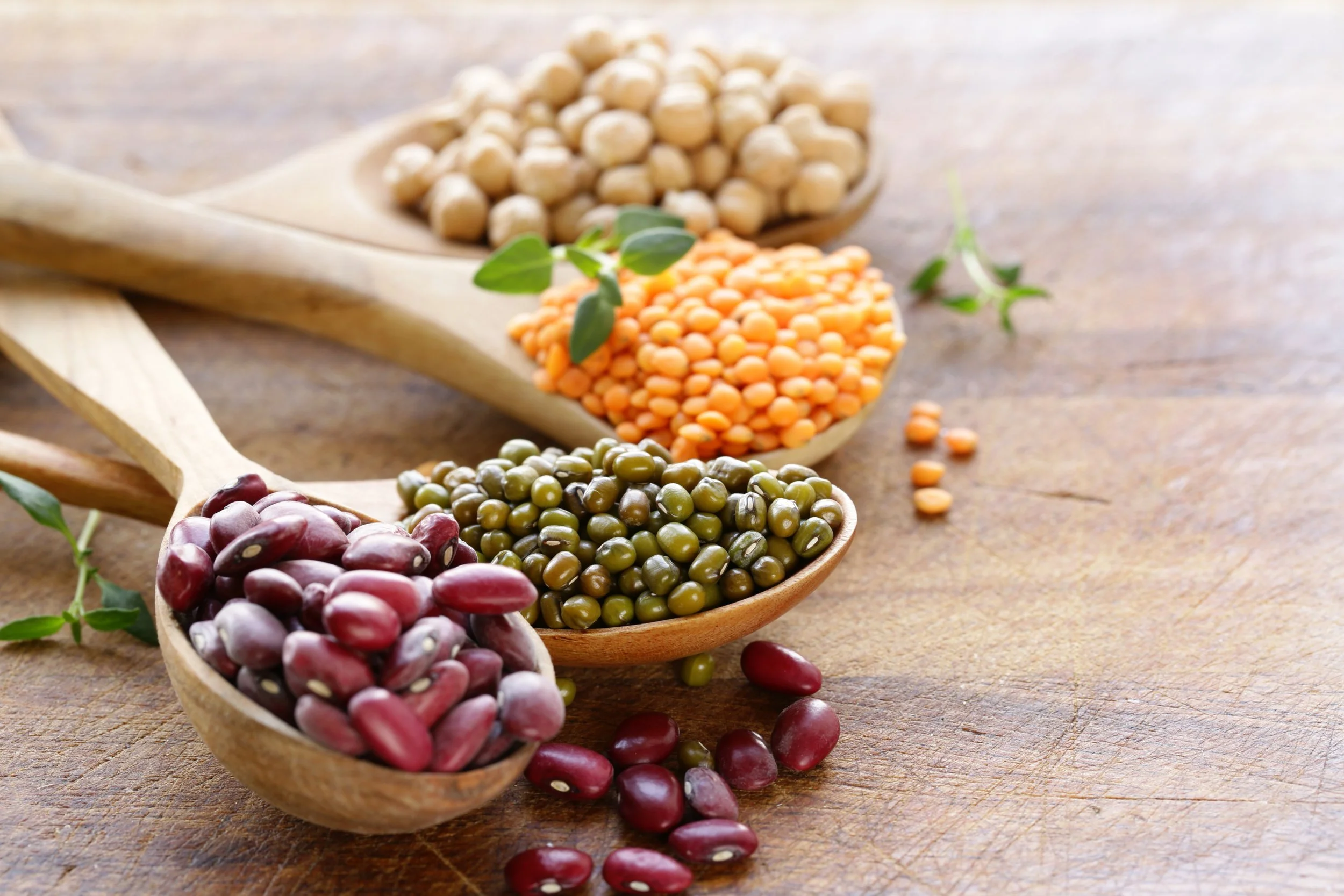
2. Complex Carbohydrates for Calm and Stability
Carbohydrates are often blamed for mood swings, but the right carbohydrates support the nervous system by helping tryptophan enter the brain to produce serotonin. Very low carb diets can increase cortisol and worsen anxiety for some women, particularly during menopause.
Nervous system friendly carbohydrates include:
Oats
Quinoa
Brown rice
Sweet potatoes
Root vegetables
Lentils and beans
Practical tip: Pair carbohydrates with protein and healthy fats to keep blood sugar steady and prevent energy crashes.

3. Magnesium Rich Foods for Relaxation
Magnesium is one of the most important minerals for nervous system support. It helps calm nerve firing, supports muscle relaxation, and plays a role in sleep quality. Low magnesium levels are linked to anxiety, poor sleep, headaches and heightened stress responses.
Foods high in magnesium include:
Pumpkin seeds
Almonds and cashews
Spinach and leafy greens
Avocado
Black beans
Dark chocolate with high cocoa content
Practical tip: A small handful of seeds or nuts daily can make a noticeable difference.
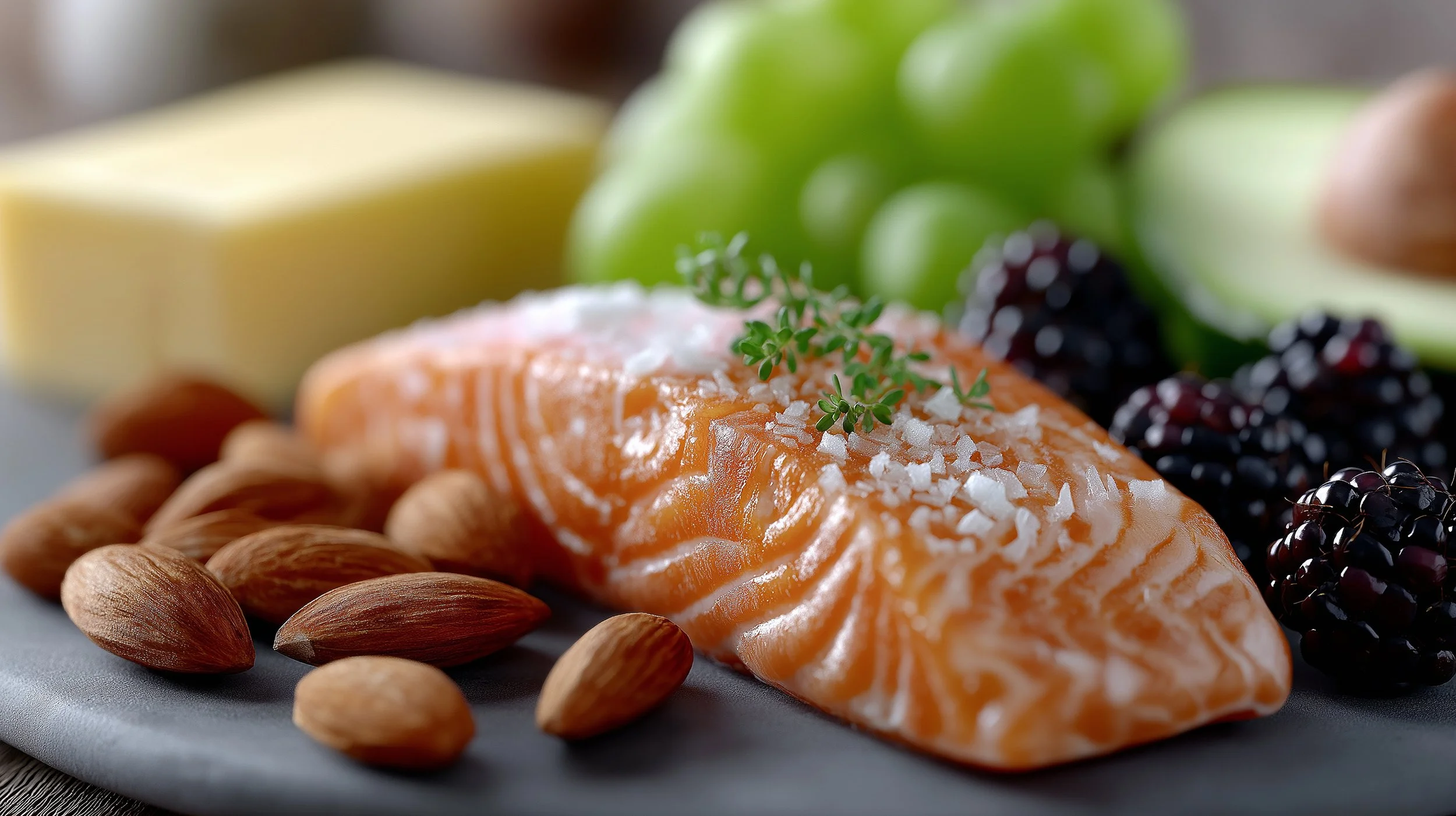
4. Omega 3 Fats to Reduce Neuroinflammation
Omega 3 fatty acids support brain structure, reduce inflammation and help regulate mood. They are particularly important during menopause when inflammation often increases. Low omega 3 intake has been associated with anxiety and depressive symptoms.
Best sources include:
Oily fish such as salmon, sardines, and mackerel
Chia seeds
Flaxseeds
Walnuts
Practical tip: Aim for oily fish two to three times per week, or include plant based sources daily if you do not eat fish.

5. Fermented Foods for the Gut Brain Connection
Your gut and nervous system are deeply connected through the gut brain axis. Beneficial gut bacteria help produce neurotransmitters and regulate stress responses. Supporting gut health can improve mood, resilience and emotional balance.
Helpful fermented foods include:
Live yoghurt
Kefir
Sauerkraut
Kimchi
Miso
Practical tip: Start small. Even a tablespoon a day can be beneficial.

Foods and Drinks That Can Overstimulate the Nervous System
Just as some foods help you feel calmer and more steady, others can nudge the nervous system into that wired, jittery place, especially if you are already stressed or not sleeping well.
Common culprits include:
Energy drinks which often combine high caffeine and a big hit of sweeteners, a perfect recipe for feeling revved up then wiped out
Too much caffeine from coffee, strong tea, pre workout powders, cola and even some supplements
Alcohol which can feel relaxing at first but often disrupts sleep and leaves the nervous system more reactive the next day
High sugar snacks that spike blood sugar then crash it, which can feel like anxiety, cravings, shakiness and irritability
Ultra processed foods which are easy to overeat and tend to be low in the nutrients your brain and nervous system actually need
This is not about never having any of these again. It is about noticing what they do to you. Many women feel a real shift when they cut back on energy drinks and caffeine, eat regular meals and stop riding the blood sugar rollercoaster.

Bringing It All Together
Foods for your nervous system are not exotic or complicated. They are simple, nourishing choices that stabilise blood sugar, reduce inflammation and support neurotransmitter balance.
When these foods become part of your normal routine, many women notice:
Fewer anxiety spikes
Better sleep
Improved focus
Greater emotional resilience
A calmer relationship with food and stress
If you want a deeper, structured approach to supporting your nervous system alongside energy, weight, and focus, this is exactly what I teach in my work and in my book Have a Magnificent Menopause.
Small changes, done consistently, really do change how you feel.
If you want more support with stress, sleep, cravings, weight gain, brain fog, and low energy, you’ll love my book Have a Magnificent Menopause: A Straightforward Guide to Looking Good and Feeling Great. It is packed with realistic, evidence based strategies that actually fit busy lives. Link below
References
Badawy, Y., El Gendy, M., Abd El Fatah, S. and Hassan, A. (2024) ‘Risk of depression across menopausal stages: A systematic review and meta analysis’, Journal of Affective Disorders, 352, pp. 160–170.
Bafkar, N., Zeraattalab Motlagh, S., Tofighi, R. and Ghaffari, S. (2024) ‘Efficacy and safety of omega 3 fatty acid supplementation for anxiety symptoms: A systematic review and dose response meta analysis of randomised controlled trials’, BMC Psychiatry, 24, 112.
Bendis, P.C., Hill, A.L. and Rubinow, D.R. (2024) ‘Estradiol modulation of serotonin, dopamine and glutamate systems: Implications for mood and cognition’, Frontiers in Neuroendocrinology, 72, 101099.
Boyle, N.B., Lawton, C. and Dye, L. (2017) ‘The effects of magnesium supplementation on subjective anxiety and stress: A systematic review’, Nutrients, 9(5), 429.
Brown, L., Kessler, R.C., Bromberger, J.T. and Freeman, E.W. (2024) ‘Promoting mental health during the menopause transition’, The Lancet, 403(10434), pp. 1327–1336.
Cao, Y.Y., Liu, Y., Zheng, Y. and Li, J. (2025) ‘Gut microbiota alterations in anxiety and depression: A systematic review’, BMC Psychiatry, 25, 64.
Cryan, J.F. and Dinan, T.G. (2012) ‘Mind altering microorganisms: The impact of the gut microbiota on brain and behaviour’, Nature Reviews Neuroscience, 13(10), pp. 701–712.
Fidecicchi, T., Santoro, N. and Neal-Perry, G. (2024) ‘Neuroendocrine mechanisms of mood disorders during the menopause transition’, Physiology and Behavior, 268, 114158.
Gardiner, C., Smith, J. and Roehrs, T. (2023) ‘The effect of caffeine on subsequent sleep: A systematic review and meta analysis’, Sleep Medicine Reviews, 67, 101720.
Gardiner, C., Smith, J. and Roehrs, T. (2025) ‘The impact of alcohol consumption on sleep quality in healthy adults: A systematic review and meta analysis’, Sleep Medicine Reviews, 71, 101830.
Jacka, F.N., O’Neil, A., Opie, R., Itsiopoulos, C., Cotton, S., Mohebbi, M. and Berk, M. (2017) ‘A randomised controlled trial of dietary improvement for adults with major depression (SMILES)’, BMC Medicine, 15(1), 23.
Lane, M.M., Davis, J.A., Beattie, S., Gomez-Donoso, C., Loughman, A., O’Neil, A. and Jacka, F.N. (2022) ‘Ultra processed food consumption and mental health: A systematic review and meta analysis’, Nutrients, 14(13), 2568.
Liu, C., Xie, B., Chou, C.P. and Li, M. (2024) ‘Caffeine intake and anxiety symptoms: A meta analysis’, Frontiers in Psychology, 15, 1298473.
Simpson, C.A., Diaz Arteche, C., Eliby, D., Schwartz, O.S., Simmons, J.G. and Cowan, C.S.M. (2021) ‘The gut microbiota in anxiety and depression: A systematic review’, Clinical Psychology Review, 83, 101943.
Su, K.P., Tseng, P.T., Lin, P.Y., Okubo, R., Chen, T.Y., Chen, Y.W. and Bai, Y.M. (2018) ‘Association of omega 3 polyunsaturated fatty acids with anxiety symptoms: A systematic review and meta analysis’, JAMA Network Open, 1(5), e182327.