
Menopause Fight or Flight: Why You Feel Wired, On Edge and Unable to Relax

Many women tell me the same thing during perimenopause and menopause.
“I feel anxious for no reason.”
“I’m exhausted but I cannot switch off.”
“I wake at 3am and my heart is racing.”
If this sounds familiar, you may be experiencing what I call the menopause fight or flight response. Menopause is not only a hormone transition. It is also a nervous system transition.

Understanding the Nervous System in Menopause
The fight or flight response is part of your sympathetic nervous system. It is designed to protect you in moments of danger by increasing heart rate, tightening muscles and releasing stress hormones such as cortisol.
In short bursts this response is helpful. When it becomes chronic, it is draining.
Oestrogen and progesterone influence far more than your menstrual cycle. They also support mood stability, sleep quality and stress resilience. Oestrogen interacts with serotonin and dopamine. Progesterone supports calming brain chemistry.
As these hormones fluctuate and decline, the nervous system can become more reactive. The threshold for stress lowers. What you once handled easily may suddenly feel overwhelming.
This is why many women experience:
Anxiety or internal restlessness
Broken or light sleep
Heart palpitations
Tight shoulders and jaw
Digestive disruption
Increased sensitivity to stress
Feeling tired yet wired
Your body is not malfunctioning. It is adapting.
The Cortisol and Sleep Cycle
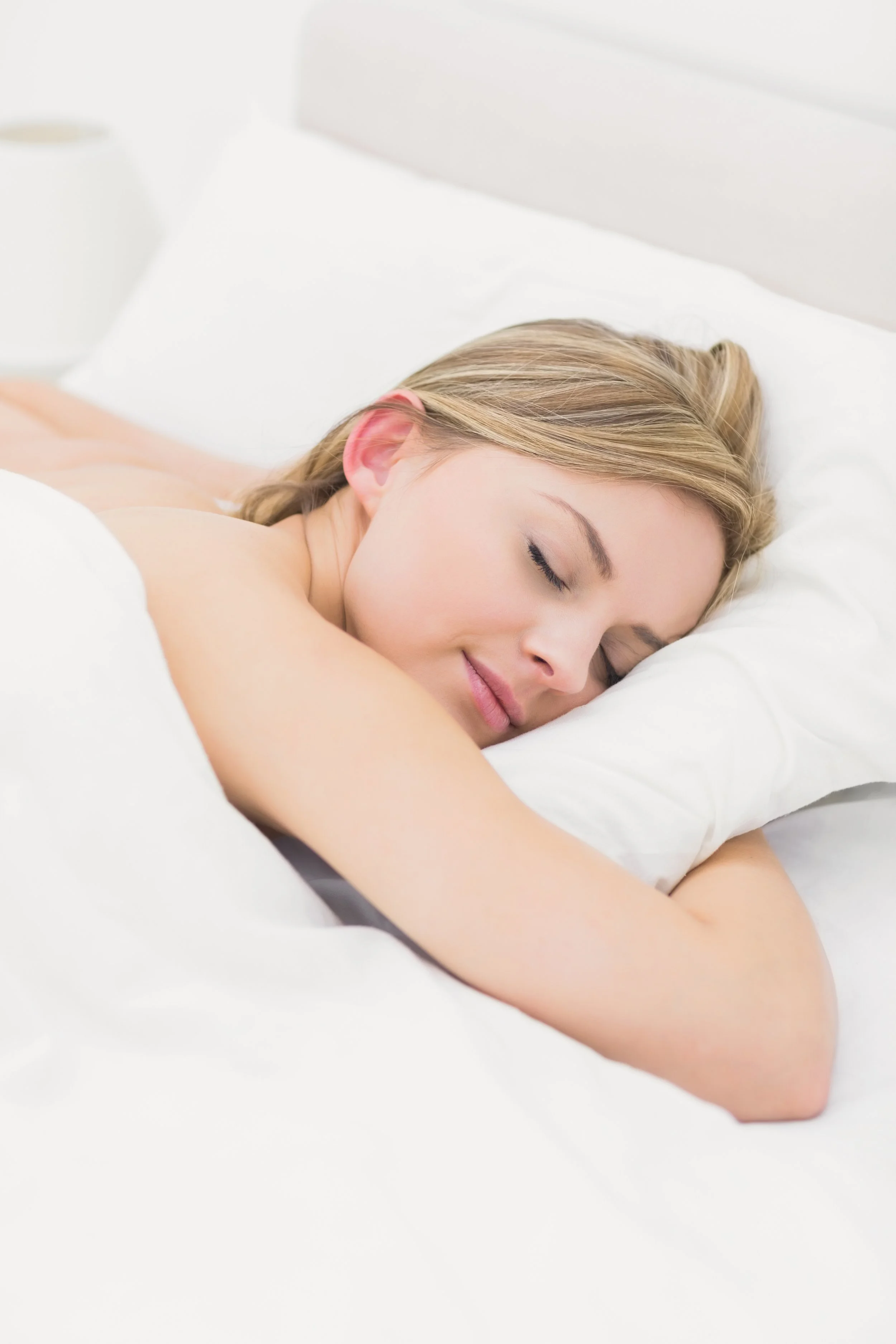
When the nervous system is unsettled, cortisol patterns often shift. Many women become more alert at night and more fatigued in the morning. Poor sleep then increases stress hormone output further, creating a loop that affects mood, weight, cravings and energy.
Trying to push harder rarely solves the problem. More intense exercise, more caffeine or more restriction can increase stress load in an already sensitive system. What the body needs in this phase is regulation.

Why Nervous System Regulation Matters
When your body perceives threat, it prioritises survival. It holds tension, conserves energy and may increase inflammation. Over time this impacts sleep, skin health, metabolic balance and emotional wellbeing. When your body perceives safety, the parasympathetic nervous system becomes more active. This is your rest and digest state. Muscles soften. Breathing slows. Digestion improves. Sleep deepens.
Small daily practices can help restore balance:
Regular, protein rich meals to stabilise blood sugar
Gentle, consistent movement rather than constant high intensity training
Reduced evening light exposure
Slow diaphragmatic breathing
Structured relaxation
Therapeutic touch can be particularly powerful in this transition.

How the Meno Massage Method™ Supports the Menopause Nervous System
After more than three decades working with women in nutritional therapy and skin health, I repeatedly observed the same pattern. Women in perimenopause and menopause were not simply tired. Their nervous systems were dysregulated. Breathing was shallow. Shoulders were elevated. Sleep was fragmented. The body remained on alert even when life was not acutely stressful.
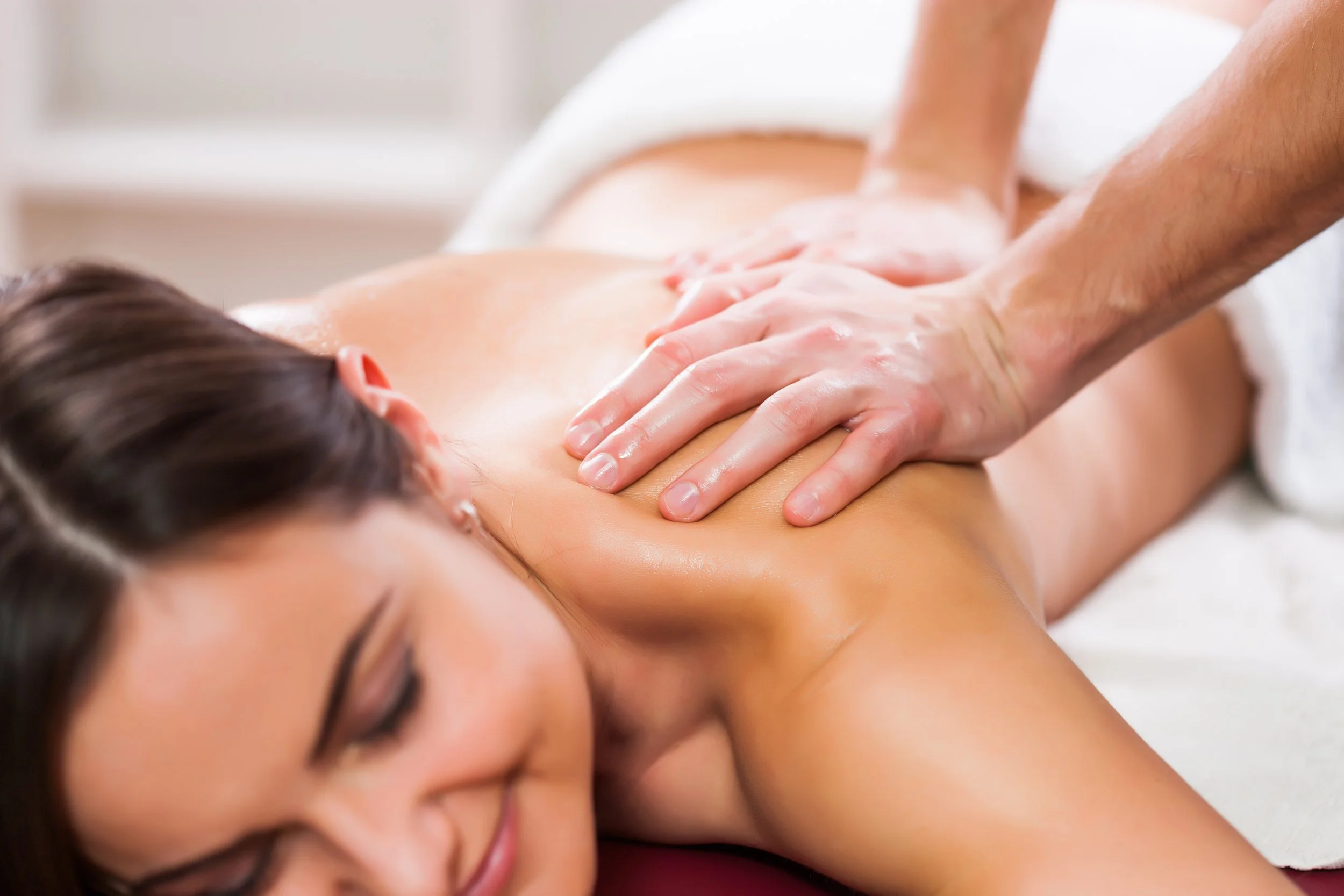
This led me to develop the Meno Massage Method™, a structured menopause specific massage approach designed to calm the nervous system, release common midlife tension patterns and support hormonal transition. The intention behind the Meno Massage Method™ is not indulgence. It is physiological regulation. Through intentional, targeted techniques, the treatment encourages parasympathetic activation and helps the body shift out of chronic fight or flight.
When the nervous system begins to settle, many women notice improvements in sleep quality, emotional steadiness, muscle tension and overall resilience. Massage in menopause is not a luxury. It can be an important part of a wider strategy that includes nutrition, lifestyle and stress management.
A Simple Evening Reset You Can Start Tonight
To begin calming the menopause fight or flight response, try:
Dimming lights after 8pm
Five minutes of slow belly breathing
Gentle self massage of the jaw and base of the skull
Warmth across shoulders and upper back
Going to bed before you feel overtired
Menopause is not simply about declining hormones. It is about recalibrating your stress response system.
With the right support, your body can move from survival mode to a calmer, more resilient state. If you would like to explore how the Meno Massage Method™ may support your nervous system during perimenopause or menopause, you can find more information here.
Meno Massage Metod™ Training for Therapists
The Meno Massage Metod™ is a specialised menopause massage training designed for qualified therapists and salons. If you are interested in offering menopause focused massage and nervous system support in your practice, you can find full training details below.