
Cortisol Face: How Stress Ages Your Skin and What Helps

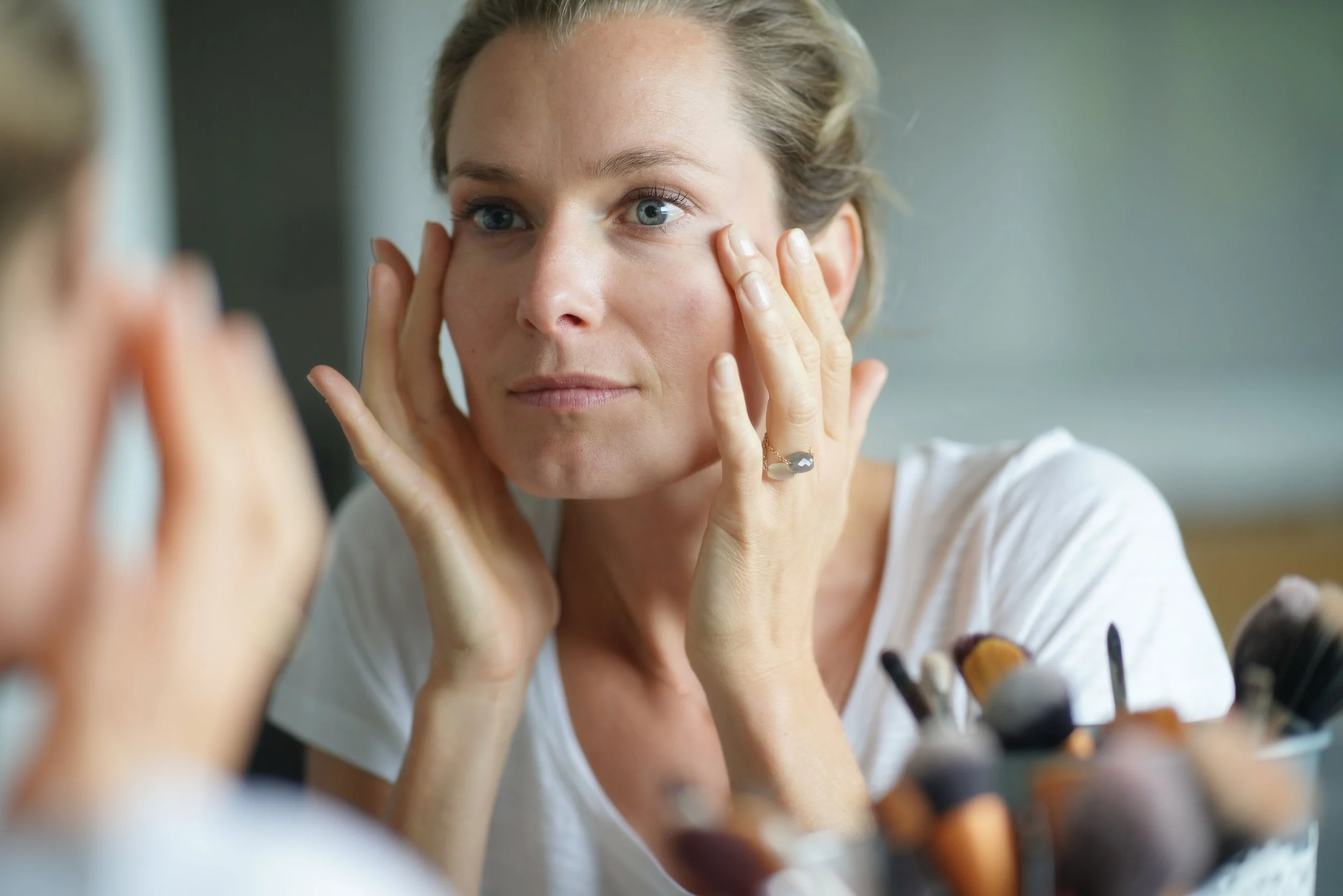
If you have ever looked in the mirror during a stressful period and thought your face suddenly looks older, puffier, duller or more tired, you are not imagining it. Many women ask me about cortisol face and whether stress really can age the skin. The answer is yes, and it is far more common than most people realise.
Cortisol face is not a medical diagnosis, but it is a useful way of describing how chronic stress affects the skin, facial structure, and overall appearance over time. As a nutritional therapist and beauty therapist, I see this regularly in women juggling busy lives, poor sleep, hormonal changes and constant pressure to cope.

What Is Cortisol Face?
Cortisol is your main stress hormone. It is released by the adrenal glands and plays an important role in blood sugar control, inflammation, and energy regulation. In short bursts, cortisol is helpful. The problem comes when cortisol stays high for too long.
When cortisol remains elevated, it begins to affect the skin in visible ways. This is what many people now refer to as cortisol face.
Common signs include:
Puffiness, especially around the eyes and jaw
Dull, tired looking skin
Increased breakouts or sensitivity
Fine lines appearing more quickly
Loss of firmness and elasticity
Cortisol face is often seen in women during perimenopause and menopause, when hormonal changes already make the skin more vulnerable.

How Cortisol Accelerates Skin Ageing
Cortisol directly interferes with the processes that keep skin firm, hydrated, and resilient.
First, cortisol breaks down collagen. Collagen is the protein that gives skin its structure and strength. High cortisol levels increase collagen degradation, leading to thinning skin and earlier wrinkle formation.
Second, cortisol increases inflammation. Chronic low grade inflammation damages the skin barrier and slows repair. This can make skin more reactive and prone to redness and irritation.
Third, cortisol disrupts blood sugar balance. Blood sugar spikes increase glycation, a process that stiffens collagen fibres and makes skin look less supple.
Finally, cortisol impairs sleep. Poor sleep reduces skin regeneration and increases water loss from the skin. This alone can add years to your appearance.
Why Cortisol Face Is Common After 40
After 40, the body becomes less resilient to stress. Oestrogen, which helps protect collagen and skin hydration, begins to fluctuate and decline. At the same time, cortisol often becomes the dominant hormone driving symptoms.
Women frequently tell me they are doing everything right with skincare, yet their skin looks worse. This is because no cream can fully counteract the effects of chronic stress hormones. Cortisol face is often a sign that the body needs support, not stronger products.
Signs Stress Is Showing on Your Skin
You may want to consider cortisol as a factor if:
Your skin looks worse during stressful periods
Breakouts appear despite a good routine
Your face looks puffy in the morning
You feel wired but tired
Sleep is poor or broken
These signs often appear together.

How to Reduce Cortisol Face From the Inside Out
Supporting cortisol levels does not require extreme measures. Small consistent changes make the biggest difference.
Nutrition plays a key role. Skipping meals, under eating protein, and relying on caffeine can all push cortisol higher. Aim to eat regularly and include protein at every meal to stabilise blood sugar.
Sleep is essential. Even one poor night increases cortisol the next day. A consistent bedtime routine matters more than perfection.
Stress management does not need to be complicated. Gentle movement, walking outdoors, breathing exercises, and creating small pauses in the day all help calm the nervous system.
Alcohol is another factor. Regular drinking raises cortisol and worsens skin dehydration. Reducing intake often leads to visible skin improvements.

Skincare and Treatments That Support Cortisol Stressed Skin
When skin is under stress, gentler is better. Over exfoliating and aggressive actives can worsen inflammation.
Focus on:
Barrier supporting moisturisers
Antioxidants to reduce oxidative stress
Hydration rather than stimulation
Professional treatments that support lymphatic drainage, circulation, and relaxation can be particularly helpful. Facial massage, gentle radiofrequency, and treatments that calm the nervous system often improve cortisol face more than harsh resurfacing. Treatments should always support the body, not stress it further.

Can Cortisol Face Be Reversed?
Yes, in many cases it can. When cortisol levels are supported and stress is reduced, skin often becomes brighter, firmer, and more resilient again. The key is consistency. Skin responds when the body feels safe, nourished, and rested. This is why a whole body approach works far better than chasing the next skincare trend.
Final Thoughts
Cortisol face is not a failure of willpower or self care. It is a message from the body. Your skin reflects what is happening beneath the surface. When you support stress hormones, sleep, nutrition, and lifestyle, skin ageing slows naturally. You begin to look more like yourself again. If your skin feels out of balance despite good products, it may be time to look deeper.
Cortisol Face and Skin Ageing: Frequenly asked Questions
What is cortisol face?
Cortisol face is a term used to describe how chronic stress shows up on the face. It is linked to consistently high levels of the stress hormone cortisol. Women often notice puffiness, dullness, breakouts, loss of firmness, or a tired aged appearance, even when they are using good skincare.
Is cortisol face real or just a social media trend?
Cortisol face is not a medical diagnosis, but the effects of cortisol on the skin are very real and well documented. Chronic stress increases inflammation, breaks down collagen, disrupts sleep, and impairs skin repair. Social media has given it a name, but the biology behind it is genuine.
Can stress really age your skin?
Yes. Long term stress accelerates skin ageing by increasing cortisol, which reduces collagen production, weakens the skin barrier, and increases oxidative stress. Over time this can lead to earlier wrinkles, sagging, and slower skin healing.
What does cortisol do to the skin?
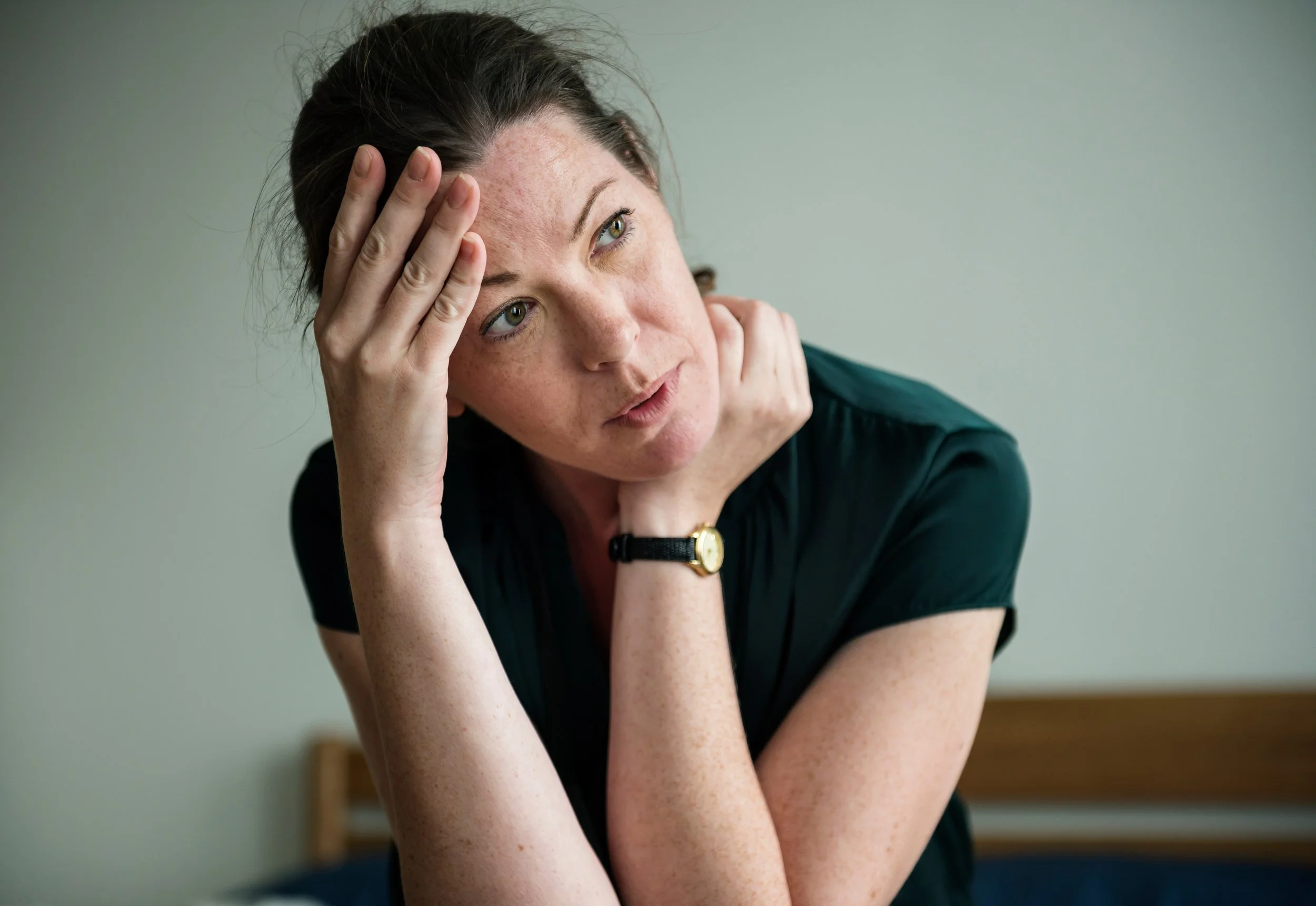
High cortisol levels can:
Break down collagen and elastin
Increase inflammation and sensitivity
Worsen acne and redness
Cause puffiness through fluid retention
Disrupt skin repair by affecting sleep
This combination often makes skin look older and less resilient.
Can cortisol cause wrinkles and sagging skin?
Indirectly, yes. Cortisol increases collagen breakdown and slows new collagen formation. Over time this contributes to fine lines, loss of firmness, and sagging, particularly around the jawline and eyes.
Why does my skin look worse even though I use good skincare?
Skincare works best when the body is supported internally. If stress, poor sleep, blood sugar swings, or hormonal changes are driving high cortisol, even the best products can struggle to deliver results. This is why skin often improves when lifestyle factors are addressed alongside skincare.

Does cortisol cause facial puffiness?
Yes. Cortisol affects fluid balance and inflammation, which can lead to puffiness, especially around the eyes and lower face. Poor sleep and high salt or alcohol intake can make this more noticeable.
Is cortisol face more common in menopause?
Very much so. During perimenopause and menopause, falling oestrogen reduces collagen support and skin hydration. At the same time, cortisol often becomes more dominant, making skin more vulnerable to stress related ageing.
Can cortisol face be reversed?
In many cases, yes. When cortisol levels are supported through better sleep, balanced nutrition, stress reduction, and appropriate skincare, skin often becomes brighter, firmer, and more resilient again. The earlier stress is addressed, the better the results tend to be.
How can I lower cortisol for better skin?
Simple, consistent changes make the biggest difference:
Eat regular meals with enough protein
Avoid relying on caffeine instead of food
Prioritise sleep quality
Reduce alcohol intake
Include calming movement such as walking or gentle exercise
Avoid over treating stressed skin
This is about supporting the nervous system, not adding more pressure.
What skincare is best for cortisol stressed skin?
When cortisol is high, skin needs calming and barrier support. Gentle cleansing, hydration, antioxidants, and avoiding over exfoliation are key. Treatments that support relaxation, circulation, and lymphatic drainage often help more than aggressive resurfacing.

Want to understand what your body is really telling you?
In my book Have a Magnificent Menopause: A Straightforward Guide to Looking Good and Feeling Great, I explain how hormones, stress, nutrition, sleep, and lifestyle all affect how you feel and how you look, with clear practical steps you can actually stick to.
If you want to feel more like yourself again and support your skin from the inside out, this is a great place to start
References
Fink, M. and Glaser, R. (2018) ‘Stress hormones and skin ageing’, Dermato Endocrinology, 10(1), pp. 1–8.
Kiecolt Glaser, J.K., Gouin, J.P. and Hantsoo, L. (2015) ‘Close relationships, inflammation, and health’, Neuroscience and Biobehavioral Reviews, 50, pp. 1–9.
Pillai, S., Oresajo, C. and Hayward, J. (2005) ‘Ultraviolet radiation and skin ageing: roles of reactive oxygen species, inflammation and protease activation’, Journal of Investigative Dermatology Symposium Proceedings, 10(1), pp. 11–15.
Slominski, A.T. et al. (2013) ‘Corticotropin releasing hormone and the skin’, Frontiers in Endocrinology, 4, pp. 1–15.
Zouboulis, C.C. and Makrantonaki, E. (2011) ‘Clinical aspects and molecular diagnostics of skin ageing’, Clinics in Dermatology, 29(1), pp. 3–14.