
Be More Human The Wellness Shift We Need
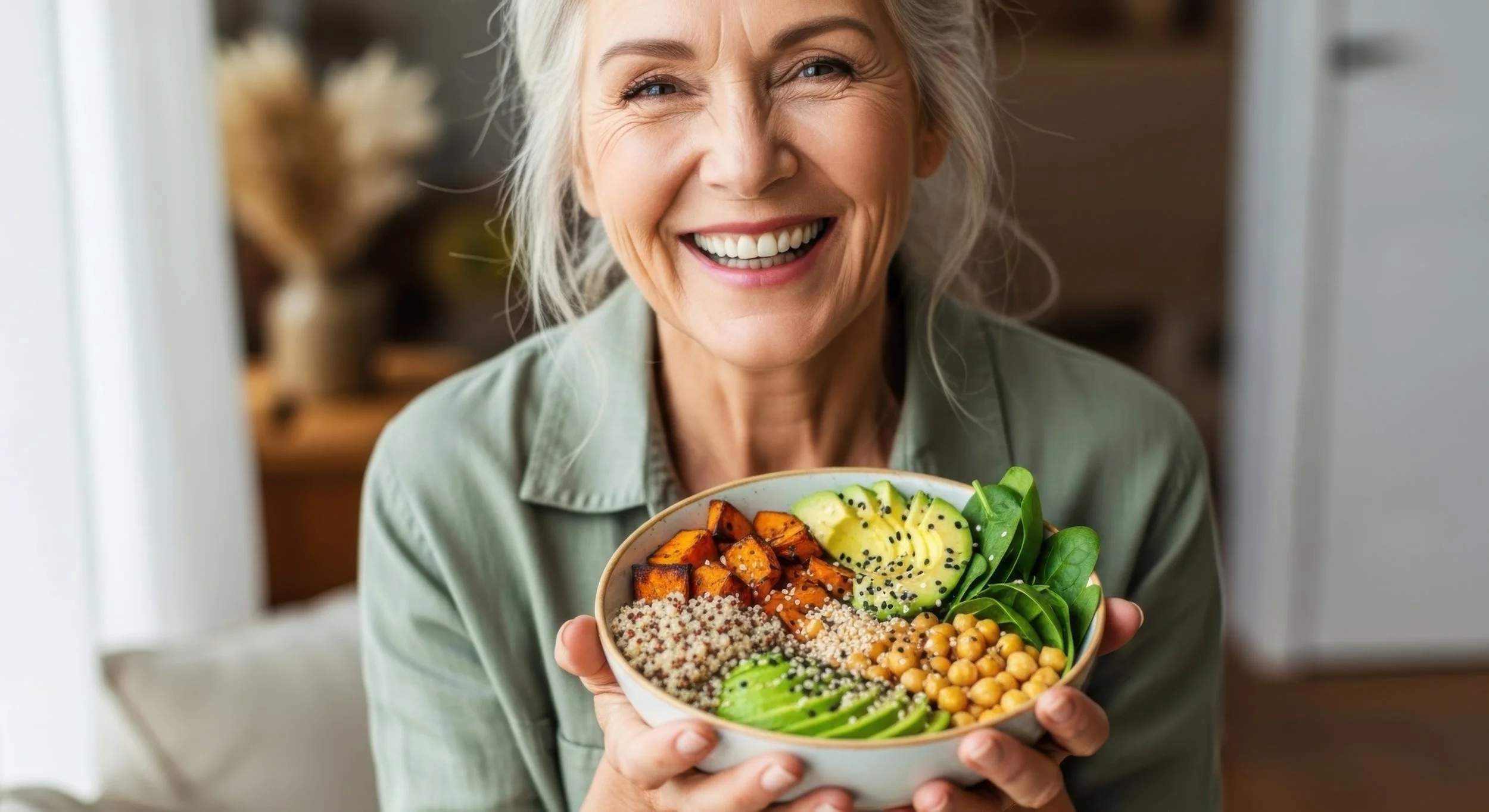
I see it every week. Wonderful women arrive tired and overwhelmed. They think the answer is more. More apps. More plans. More products.
In clinic, the real shift is simple.
Do less.
Do it better.
Repeat.
Be more human wellness is about coming back to what your body has always needed. Daylight. Real food. Rest. Movement. Connection. It is not anti science. It is pro common sense.
“You do not need more. You need enough of the right things.”
This is the quiet shift happening beneath the noise of modern wellness.
The Shift I Am Seeing in Clinic
Many people are already embracing a slower, more human first approach to health. I see clients step back from trends and feel better fast. They stop chasing the newest gadget. They stop buying every supplement on Instagram. Instead, they choose simple living, slow wellness, and habits that fit their real life.
This is the heart of be more human. It is about doing less and not following every wellness trend. Less stuff. Fewer decisions. Keep it simple. Grow things. Make things. Spend time not money. Buy less. Fix it if it breaks. You do not need more things to feel well.
What “Be More Human” Wellness Looks Like
Be more human asks you to slow down a little. To choose what matters and let the rest go. It asks you to build a life that supports your body, not a schedule that drains it. This is sustainable wellness, not perfection.
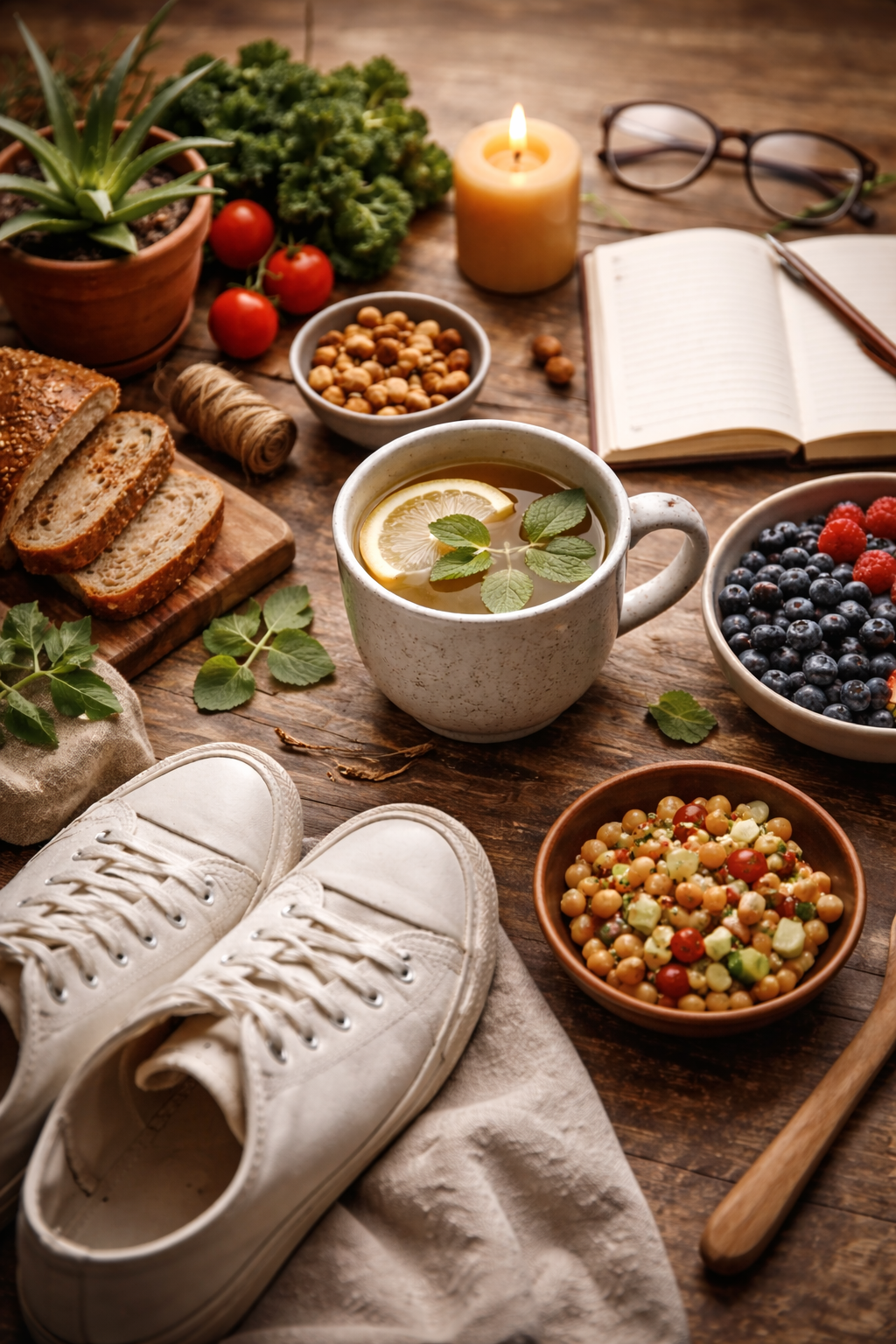
Food: Eat Real Food Most of the Time
Choose food that looks like food. Base meals on protein and plants. Add healthy fats. Keep a few repeat meals you love.
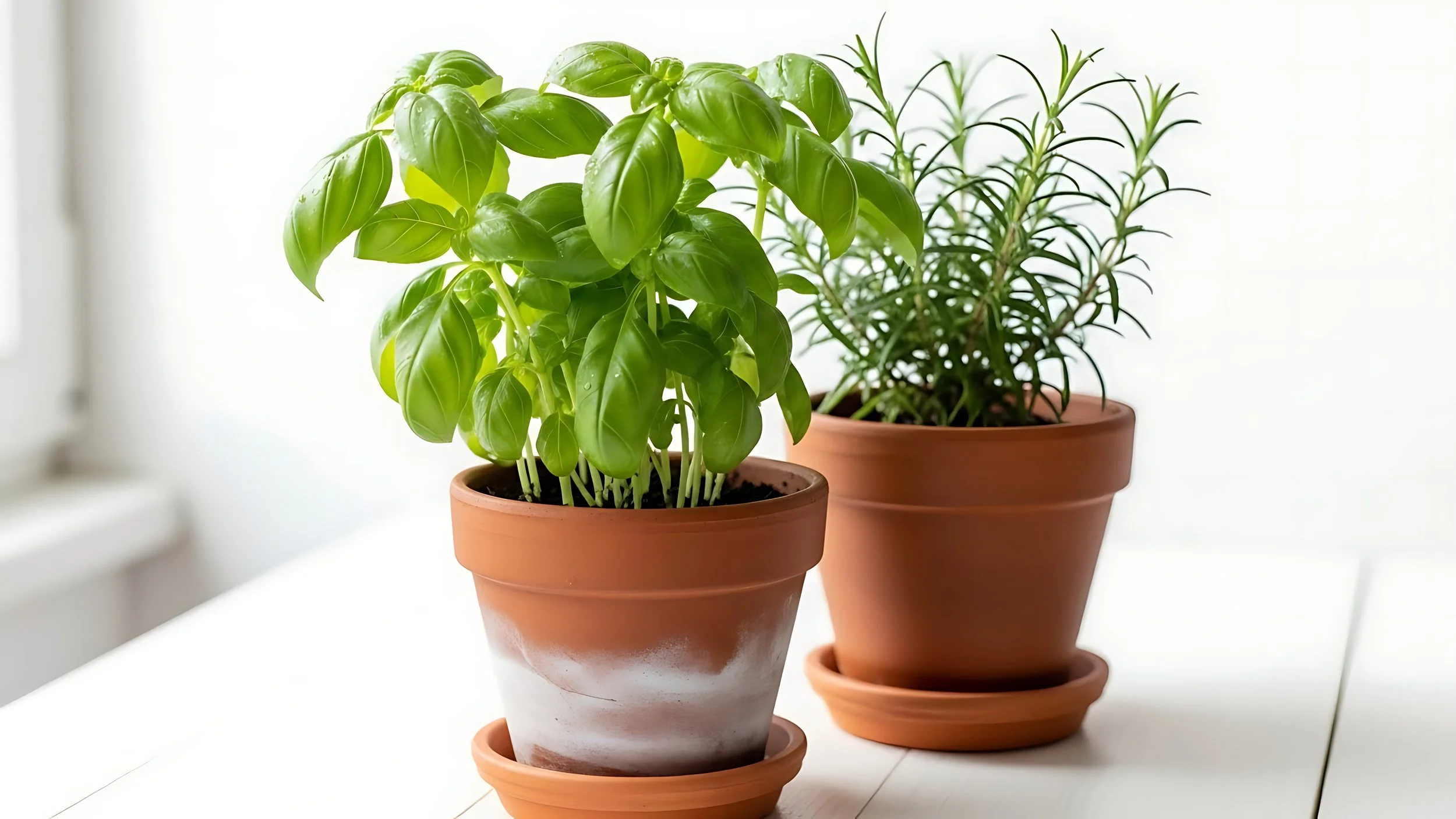
Make a pot of soup on Sunday. Roast a tray of vegetables. Keep beans in the cupboard and berries in the freezer. If you can, grow herbs or salad leaves on a windowsill. Small harvests bring joy and save money.
Real food supports energy, appetite, mood, and long term health. It also removes stress from eating.
Movement: Simple, Regular, Human
Move most days. Walk. Stretch. Dance in the kitchen. Add two short strength sessions a week. Your body weight is enough. Two tins can be dumbbells. You do not need a membership. You need regular signals that tell your body you are strong and safe. This kind of movement supports hormones, bone, muscle, and confidence.
Light and Sleep: Respect Your Circadian Rhythm
Step outside within an hour of waking. Ten minutes is enough on bright days. See some midday light if you can. Dim lights after sunset. Keep a steady lights out time.
Protect sleep like you would protect a child’s bedtime. Your circadian rhythm depends on light, routine, and consistency.
Sleep is not optional. It is the foundation.
Relationships: Connection Is a Health Habit
Connection is not a luxury. It is a health habit.
Put people on your list. Share a walk. Send a voice note. Eat at a table with someone when you can. Friendship calms the stress system and supports long term health more than many supplements ever will.
Stuff and Screens: Buy Less, Choose Better
Buy less. Choose better when you buy. Fix what you can. Clear one small surface each day.
Put your phone to bed outside the bedroom. Swap one evening scroll for one chapter of a book. Less input creates more space.
“Spend time not money. Your body wants care more than kit.”

Make and Grow More, Buy Less
There is power in making and growing. Bake simple bread. Stir a soup. Sew on a button. Plant basil or mint in a pot. These small acts reduce noise, build pride, cut waste, and save money. Your home becomes a place that restores you. This is slow wellness in practice.
Why Doing Less Works
When you remove noise, your body hears the signals.
Morning light sets your inner clock.
Real food steadies blood sugar and appetite.
Regular movement protects muscle and mood.
Connection lowers stress.
Sleep locks the gains in place.
Less input. Better response.

Be More Human for Women 40 Plus
Hormonal change can make life feel less predictable. A human first approach gives you a stable base. Protein at each meal supports energy and cravings. Strength work protects muscle and bone. Morning light anchors sleep. Gentle routines reduce decision fatigue. This is not a plan to perfect. It is a rhythm to live.
A Simple Weekly Blueprint
Monday
Morning light and a ten minute walk.
Tuesday
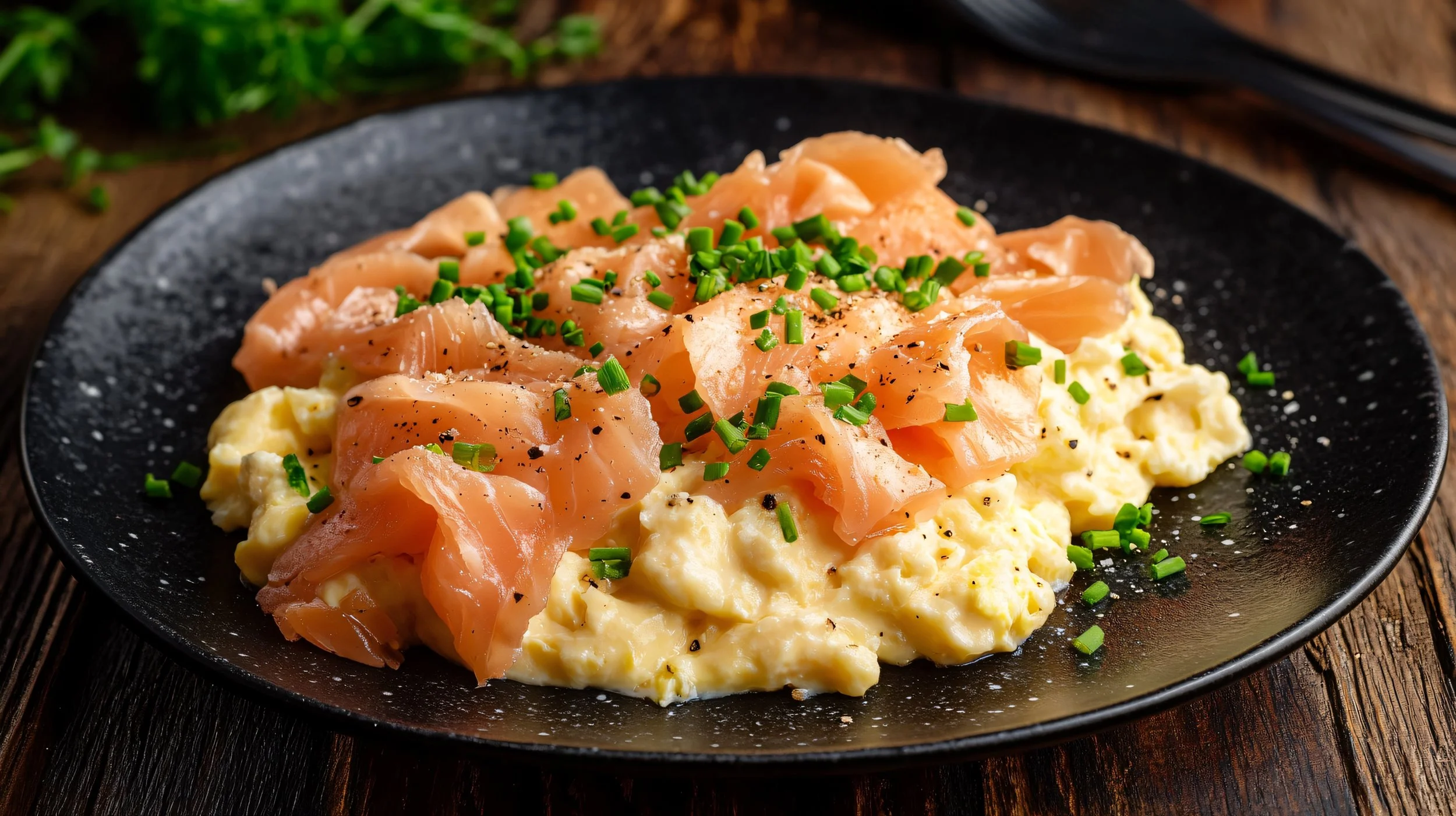
Protein rich breakfast. Eggs or Greek yoghurt with berries.
Wednesday
Cook once eat twice. Make a tray bake and save half.
Thursday
Two minutes of slow nasal breathing before a stressful task.
Friday
Short strength session. Squats, wall push ups, plank.
Saturday
Nature time. Market walk, park, or garden.
Sunday
Reset. Tidy kitchen surfaces and plan three repeat meals.
Start Today With Five Tiny Steps
Put your walking shoes by the door before bed
Add 20 to 30 grams of protein to breakfast
Set a phone reminder for lights out
Replace one ultra processed snack with nuts and fruit
Choose one thing to mend or repurpose this week
Small steps done consistently change everything.
Common Questions
Will I fall behind if I stop chasing trends?
No. When you focus on foundations, you move faster. You save money and energy and keep only what works.
Do I need to give up all tech?
No. Use tech on purpose. Keep screens low in the evening. Charge your phone outside the bedroom.
What if I am very busy?
Shrink the change. Pick one habit and repeat it for two weeks. Consistency beats intensity.
My Invitation
If this way of living speaks to you, I would love to stay connected. You can join my newsletter Health Bites, where I share simple weekly tools to support real life wellness without overwhelm.
If you feel ready for a gentle reset, my 21 Day Body Reboot and Reset is there to help you put this into practice. It brings together meals, movement, sleep, and stress support in a way that fits into real weeks and real lives.
If you want more science based, realistic practices you can actually stick to, you will find that inside my book Have a Magnificent Menopause: A Straightforward Guide to Looking Good and Feeling Great.
This is not about doing more. It is about being more human.
References
Balban, M.Y., Theodoris, C.V., Rao, A., et al. 2023, ‘Breathwork versus mindfulness impact on mood and physiology’, Cell Reports Medicine, 4, 100898.
Birdee, G., Ayala, S.G., Wallston, K.A., et al. 2023, ‘Slow breathing for reducing stress: The effect of extending exhalation’, Journal of Affective Disorders, 335, pp. 34-43.
Blume, C., Garbazza, C. and Spitschan, M. 2019, ‘Effects of light on human circadian rhythms, sleep and mood’, Somnologie, 23, pp. 147-156.
Böhmer, M.N., van den Berg, J.F. and de Ronde, W. 2021, ‘Are we still in the dark? A systematic review on personal light exposure in the habitual setting and sleep wake rhythm and mood’, Sleep Medicine: X, 3, 100070.
Bratman, G.N., Hamilton, J.P. and Daily, G.C. 2015, ‘Nature experience reduces rumination and subgenual prefrontal cortex activation’, Proceedings of the National Academy of Sciences, 112(28), pp. 8567-8572.
Chang, A.M., Aeschbach, D., Duffy, J.F. and Czeisler, C.A. 2015, ‘Evening use of light emitting eReaders negatively affects sleep, circadian timing, and next morning alertness’, Proceedings of the National Academy of Sciences, 112(4), pp. 1232-1237.
Ding, D., et al. 2025, ‘Daily steps and health outcomes in adults: a systematic review and dose response meta analysis’, The Lancet Public Health, 10, e###-e###.
Garcia, L., Pearce, M., Abbas, A., et al. 2023, ‘Non occupational physical activity and risk of cardiovascular disease, cancer and mortality outcomes: a dose response meta analysis of large prospective studies’, British Journal of Sports Medicine, 57(15), pp. 979-989.
Hall, K.D., Ayuketah, A., Brychta, R., et al. 2019, ‘Ultra processed diets cause excess calorie intake and weight gain: an inpatient randomized controlled trial of ad libitum food intake’, Cell Metabolism, 30(1), pp. 67-77.e3.
Holt Lunstad, J., Smith, T.B. and Layton, J.B. 2010, ‘Social relationships and mortality risk: a meta analytic review’, PLoS Medicine, 7(7), e1000316.
Kemmler, W., Shojaa, M., Kohl, M. and von Stengel, S. 2020, ‘Effects of different types of exercise on bone mineral density in postmenopausal women: a systematic review and meta analysis’, Calcified Tissue International, 107(5), pp. 409-439.
Lane, M.M., Gamage, E., Du, S., et al. 2024, ‘Ultra processed food exposure and adverse health outcomes: umbrella review of epidemiological meta analyses’, BMJ, 384, e077310.
Leidy, H.J., Ortinau, L.C., Douglas, S.M. and Hoertel, H.A. 2013, ‘Beneficial effects of a higher protein breakfast on the appetitive, hormonal, and neural signals controlling energy intake regulation in overweight obese “breakfast skipping” late adolescent girls’, The American Journal of Clinical Nutrition, 97(4), pp. 677-688.
NHS 2023, ‘How to get to sleep’, Every Mind Matters, NHS, accessed 18 January 2026.
Srour, B., Fezeu, L.K., Kesse Guyot, E., et al. 2019, ‘Ultra processed food intake and risk of cardiovascular disease: prospective cohort study (NutriNet Santé)’, BMJ, 365, l1451.
Tähkämö, L., Partonen, T. and Pesonen, A.K. 2019, ‘Systematic review of light exposure impact on human circadian rhythm, sleep and mood’, Chronobiology International, 36(2), pp. 151-170.
Vitale, M., et al. 2024, ‘Ultra processed foods and human health: a systematic review and meta analysis of prospective cohort studies’, Advances in Nutrition, 15(1), 100121.
Zhao, F., et al. 2025, ‘Optimal resistance training parameters for improving bone mineral density in postmenopausal women: a systematic review and meta analysis’, BMC Women’s Health, 25, ####.
Wang, X., et al. 2024, ‘Ultra processed foods and the impact on cardiometabolic health: evidence overview’, Diabetes and Metabolism Journal, 48