
Menopause, Stress and Massage: Why Supporting Your Nervous System Matters
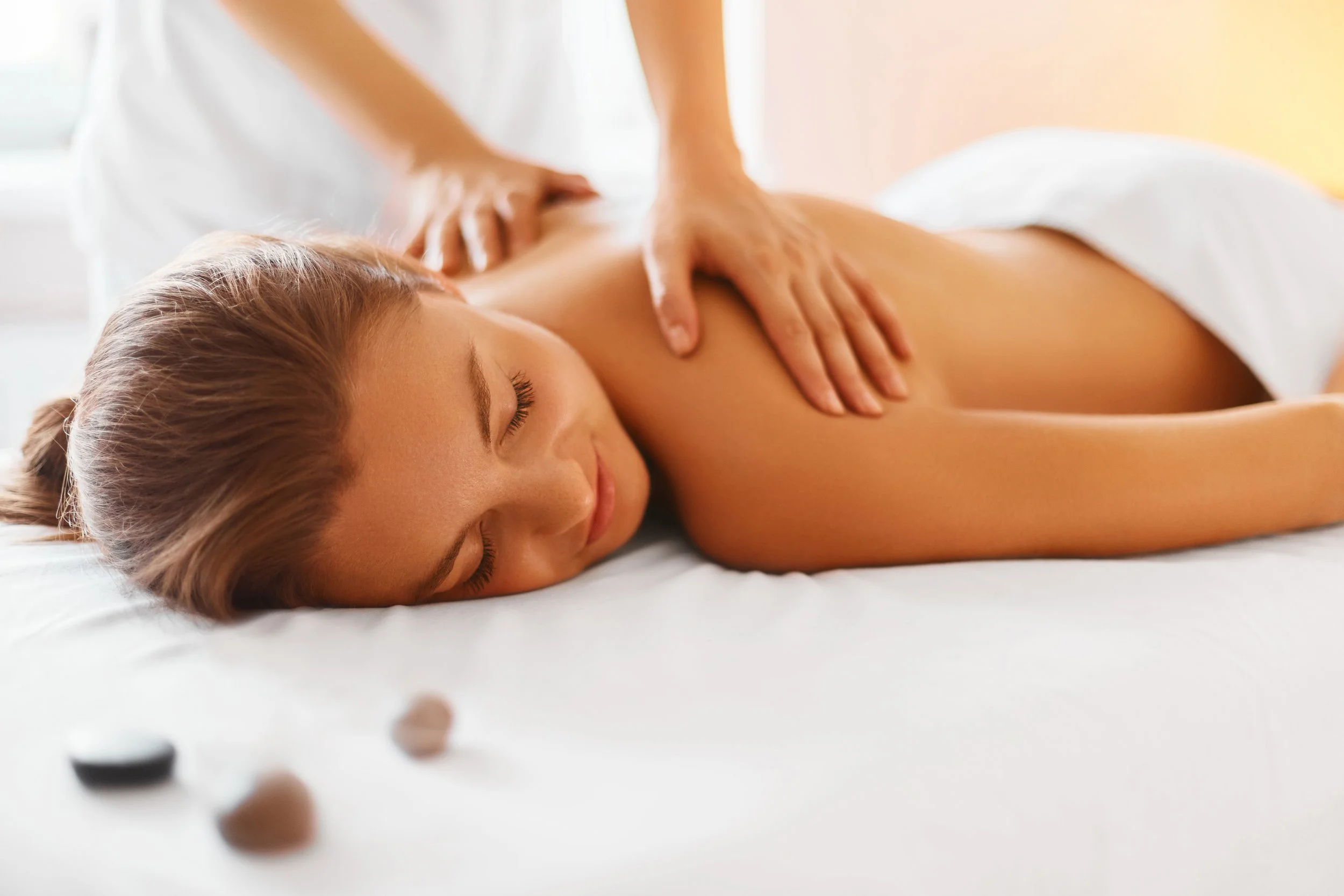
Menopause Is More Than Hormones
Menopause is often described as a hormone story, but in reality it is much more than that. Yes, changing oestrogen levels play a major role, but many of the symptoms women experience cannot be explained by hormones alone.
Hot flushes, anxiety, poor sleep, fatigue, joint pain, low mood and feeling overwhelmed often appear together. Many women tell me they feel unpredictable, exhausted and not quite themselves. This is because menopause is also a nervous system and stress regulation transition, not just a hormonal one.
During this time, the body becomes more sensitive to stress, less resilient and slower to recover. Understanding this changes how we support menopause symptoms. It moves us beyond simply focusing on hormones and towards supporting the whole body, especially the nervous system.
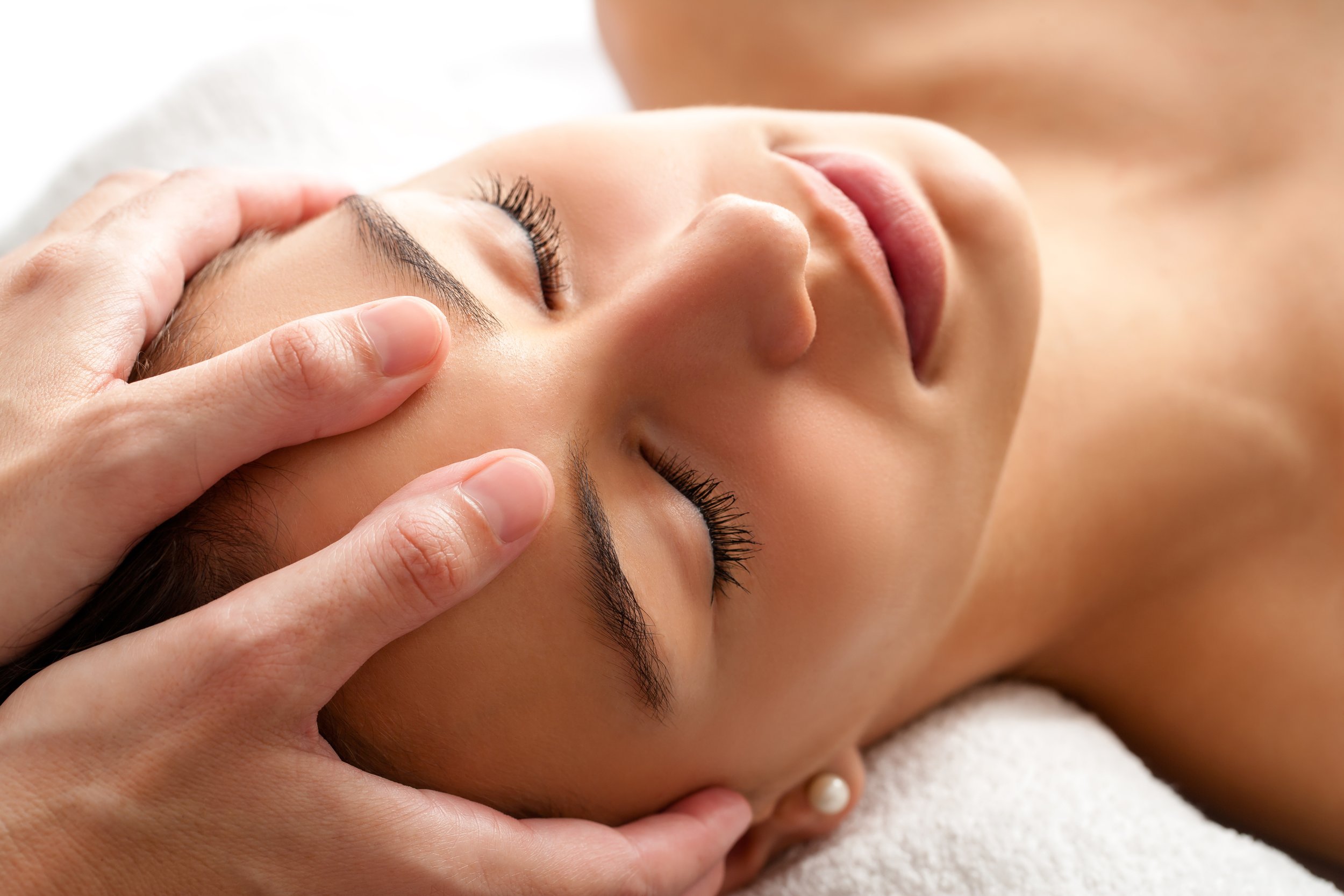
The Hidden Link Between Menopause and Stress
Oestrogen helps regulate the body’s stress response system, known as the HPA axis, which controls cortisol and how we cope with pressure. As oestrogen fluctuates and declines, this system becomes less stable.
This can lead to:
Increased stress sensitivity
Poor sleep and night waking
Fatigue and low resilience
Mood swings and anxiety
Feeling wired but tired
Many women notice they can no longer tolerate stress the way they once did. This is not weakness. It is biology.
At the same time, life often becomes more demanding during menopause. Work pressure, family responsibilities and sleep disruption all increase the load on the body. This creates a cycle where stress worsens menopause symptoms and symptoms increase stress.
Your Nervous System During Menopause
Your autonomic nervous system controls heart rate, digestion, temperature, energy and recovery. It works through two key branches:
Sympathetic nervous system – alert, stressed, switched on
Parasympathetic nervous system – calm, rest, repair, recovery
During menopause, this balance often shifts towards sympathetic dominance, meaning the body stays in a more alert, stressed state.
This can contribute to:
Palpitations and anxiety
Hot flushes and temperature swings
Digestive changes
Poor sleep and difficulty relaxing
Increased pain sensitivity
Persistent fatigue
When the body struggles to shift into recovery mode, symptoms can build and overlap, making menopause feel overwhelming.

Why Supporting the Nervous System Can Help Menopause Symptoms
Many menopause symptoms are connected. Poor sleep worsens stress. Stress increases pain. Pain reduces energy. Low energy affects mood. It becomes a cycle.
Supporting nervous system balance may help by:
Improving stress regulation
Supporting deeper sleep
Reducing physical tension
Improving recovery
Increasing resilience
Supporting emotional stability
This is why holistic menopause care matters. Nutrition, lifestyle, mindset and body based therapies all play a role.
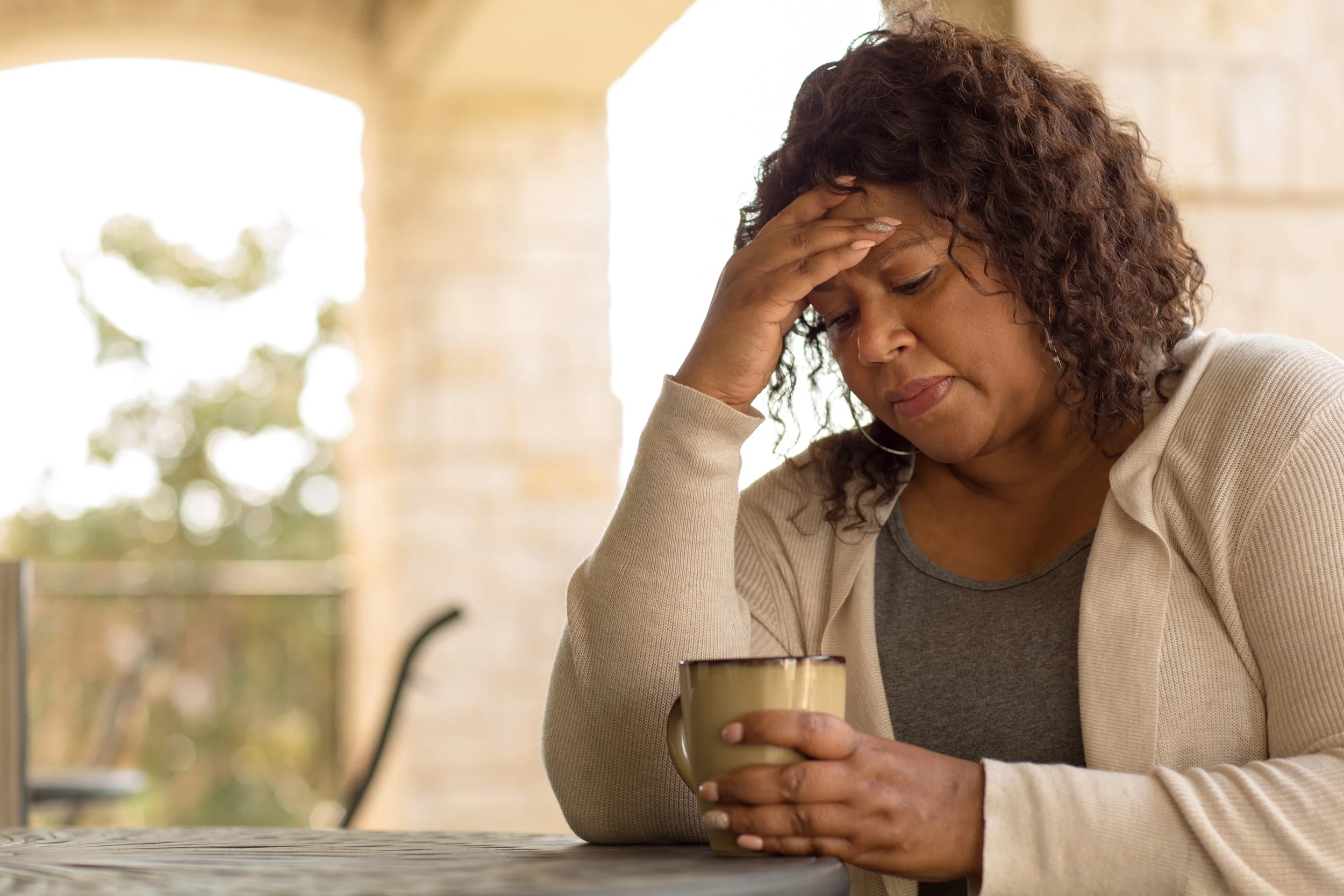
What Research Suggests About Massage and Menopause
Massage has been studied widely for stress, sleep, pain and emotional wellbeing. While menopause specific research is still growing, we know massage may help the body by:
Supporting parasympathetic activation
Reducing cortisol and stress load
Improving sleep quality
Reducing muscle tension and discomfort
Supporting relaxation and recovery
Improving heart rate variability, a marker of nervous system balance
For women experiencing menopause stress, anxiety, poor sleep and fatigue, this shift towards calm and recovery can be powerful.
Massage is not a treatment for menopause, but it can be a supportive tool within a wider menopause support plan.

Why Menopause Is a Key Window for Nervous System Support
Menopause is a time when the body becomes more vulnerable to stress and slower to recover. Many women notice strategies that once worked no longer feel enough.
Symptoms also tend to cluster. Sleep, anxiety, fatigue and pain often appear together. Supporting the nervous system may help address shared root causes rather than isolated symptoms.
Many women also want gentle, non drug options alongside lifestyle or medical care. This is where supportive approaches that calm the body and promote recovery can be helpful.

A Holistic View of Menopause Care
In practice, menopause support works best when we combine approaches:
Nutrition for hormonal and metabolic health
Lifestyle strategies for sleep, stress and energy
Movement for strength and resilience
Emotional support and mindset work
Nervous system regulation and recovery
Some women also benefit from therapeutic touch and massage, especially when stress, tension, sleep and fatigue are significant.
This is one of the reasons I developed my Meno Massage Method™, designed to support relaxation, nervous system balance and recovery during this stage of life. It is not a replacement for other care, but a gentle, supportive addition for women who need deeper restoration.

The Future of Menopause Support
Menopause is increasingly recognised as a whole body transition involving hormones, stress systems and nervous system regulation. This helps explain why one size solutions often fall short. As research evolves, supportive approaches that prioritise regulation, resilience and recovery are gaining attention alongside traditional menopause care.
Looking beyond hormones alone allows us to better reflect the real experience of menopause and support women in a more complete and compassionate way.
Menopause is not just about hormone decline. It is about how the body adapts, regulates and restores itself during change.
By supporting the nervous system, managing stress and prioritising recovery, many women can feel calmer, sleep better, regain energy and improve overall wellbeing. Menopause is a transition, not a decline. With the right support, your body can find balance again.
Learn More
If you are navigating menopause and feel your body needs deeper support, calm and restoration, there are gentle, effective ways to help your nervous system regain balance.
Learn more about my Menopause Massage Method™ here – a specialised, restorative approach designed to support relaxation, nervous system regulation and recovery during menopause.
You can also explore my book Have a Magnificent Menopause: A Straightforward Guide to Looking Good and Feeling Great, where I guide you step by step through nutrition, lifestyle, stress, energy, sleep and whole body wellbeing during this stage of life.
Because menopause is not just something to get through. With the right support, you can feel balanced, energised and yourself again.
References
Baker, F.C., Lampio, L., Saaresranta, T. and Polo-Kantola, P. (2018) ‘Sleep and sleep disorders in the menopausal transition’, Sleep Medicine Clinics, 13(3), pp. 443–456.
Berntson, G.G., Cacioppo, J.T. and Quigley, K.S. (1993) ‘Cardiac psychophysiology and autonomic space in humans’, Psychological Review, 100(2), pp. 296–322.
Brennan, M.J. and Labbé, E.E. (2009) ‘Effects of massage on stress and anxiety: A review of the literature’, Journal of Bodywork and Movement Therapies, 13(3), pp. 298–304.
Cohen, S., Janicki-Deverts, D. and Miller, G.E. (2007) ‘Psychological stress and disease’, JAMA, 298(14), pp. 1685–1687.
Diego, M.A. and Field, T. (2009) ‘Moderate pressure massage elicits a parasympathetic nervous system response’, International Journal of Neuroscience, 119(5), pp. 630–638.
Freeman, E.W., Sammel, M.D. and Lin, H. (2006) ‘Temporal associations of hot flashes and depression in the transition to menopause’, Menopause, 13(3), pp. 379–386.
Gold, E.B. (2011) ‘The timing of the age at which natural menopause occurs’, Obstetrics and Gynecology Clinics of North America, 38(3), pp. 425–440.
Hachul, H., Brandão, L.C., D’Almeida, V., Bittencourt, L.R., Baracat, E.C. and Tufik, S. (2008) ‘Sleep in post-menopausal women: Differences between early and late post-menopause’, European Journal of Obstetrics & Gynecology and Reproductive Biology, 136(1), pp. 91–95.
Hodges, K.R. and O’Donnell, E. (2018) ‘Hormonal regulation of the sympathetic nervous system during menopause’, Frontiers in Endocrinology, 9, pp. 1–9.
Ironson, G., Field, T., Scafidi, F., Hashimoto, M., Kumar, M., Kumar, A., Price, A., Goncalves, A., Burman, I., Tetenman, M. and Fletcher, M.A. (1996) ‘Massage therapy is associated with enhancement of the immune system’s cytotoxic capacity’, International Journal of Neuroscience, 84(1–4), pp. 205–217.
Loprinzi, P.D. and Frith, E. (2018) ‘The role of vagal function in stress and health’, Psychophysiology, 55(5), pp. 1–12.
Moyer, C.A., Rounds, J. and Hannum, J.W. (2004) ‘A meta-analysis of massage therapy research’, Psychological Bulletin, 130(1), pp. 3–18.
Nelson, H.D. (2008) ‘Menopause’, The Lancet, 371(9614), pp. 760–770.
Nolte, K., Herrmann-Lingen, C. and Wachter, R. (2019) ‘Heart rate variability and its association with autonomic nervous system regulation’, Clinical Research in Cardiology, 108(5), pp. 1–10.
Sherwood, A. and Hinderliter, A.L. (1999) ‘Autonomic nervous system function in menopause’, Journal of Women’s Health & Gender-Based Medicine, 8(3), pp. 279–286.
Thurston, R.C., Christie, I.C. and Matthews, K.A. (2012) ‘Hot flashes and cardiac vagal control’, Menopause, 19(4), pp. 403–407.
Tracey, K.J. (2002) ‘The inflammatory reflex’, Nature, 420(6917), pp. 853–859.