
Beyond the Shake: Are Protein Powders Safe for Hormones and Your Gut?
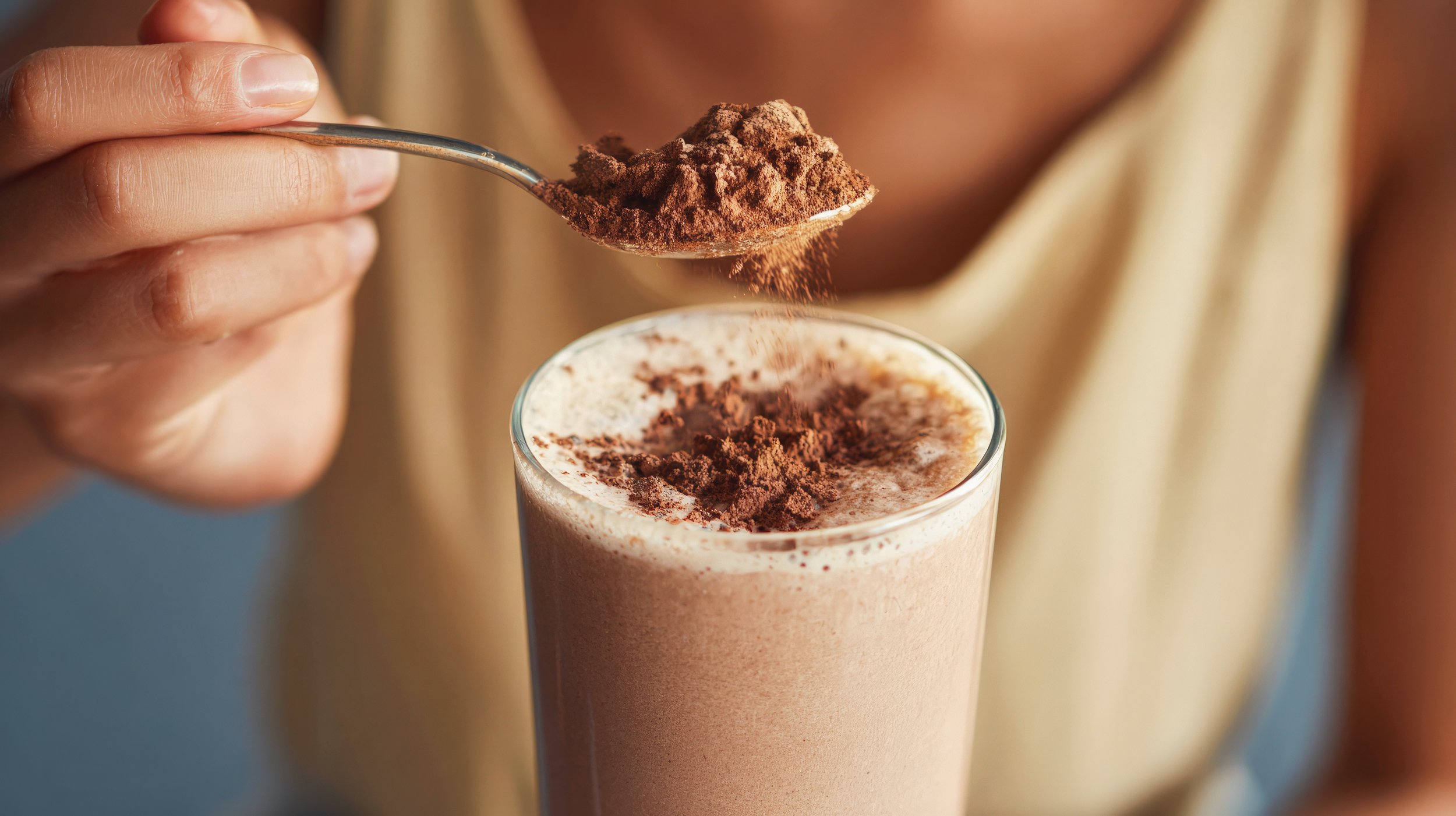
Protein powders have quietly become part of everyday life for many women. A single scoop can lift your energy, steady your hunger and support muscle, mood and cognition. But, with so many options on the market, it is worth understanding what happens long before that powder ever lands in your glass.
Hormones go through big transitions in perimenopause, menopause and post menopause. During this time, our metabolism shifts, muscle mass can dip and energy can feel harder to hold on to. Protein powders can be a practical tool here, but they work best when you know how to choose them and what to avoid.

Why protein matters more after 40
Protein is your body’s repair and rebuild nutrient. It supports tissue maintenance, hormone regulation and immune resilience. It also feeds the brain. Key neurotransmitters for memory, mood and focus such as dopamine, serotonin and acetylcholine are made using amino acids from protein.
After 40, many women notice:
• Slower recovery after exercise
• Changes in muscle tone and strength
• More blood glucose fluctuations affecting cravings
• Reduced collagen production influencing skin firmness
• More fatigue when meals are skipped
• Mood and cognitive changes when protein is too low early in the day
The most common issue I see? Protein often gets overlooked, especially at breakfast.
Whole food protein like eggs, Skyr, Greek yoghurt, tinned fish or legumes are always ideal. Yet some days, exhaustion and stress make food prep feel harder. That is where protein powder becomes your fallback.
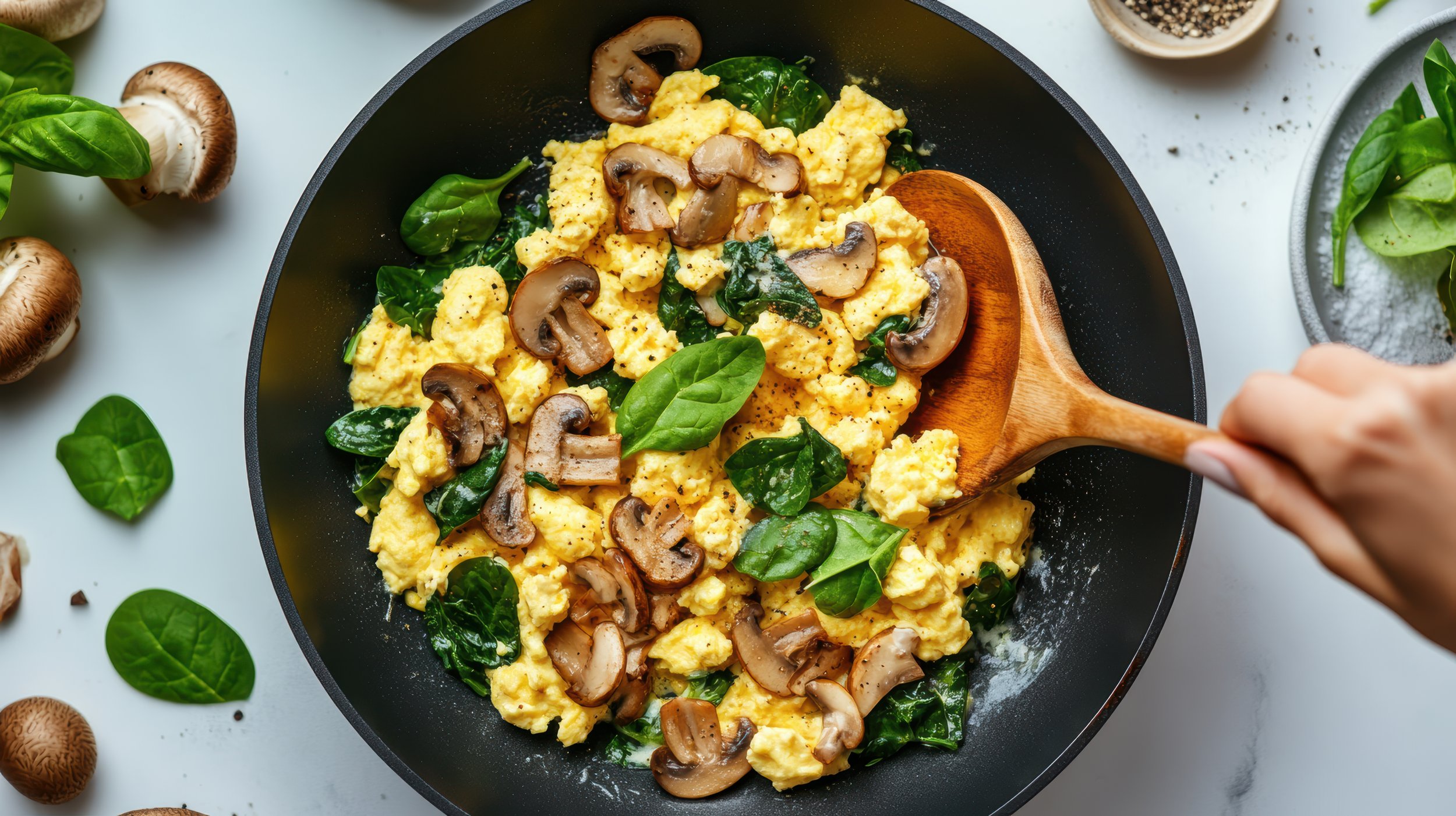
How protein powders are made and why the method matters
The way protein powder is produced influences absorption, tolerance and quality. Most protein powders on the market follow one of three core processing routes.
1. Hexane and chemical solvent extraction
Some manufacturers use solvents like hexane to separate protein from the original food source. This method is efficient and inexpensive, so it is more common in very low-cost soy and seed-based protein concentrates.
From a wellness perspective, women after 40 who are already managing gut sensitivity, inflammation or hormone balance may want to avoid powders produced using chemical solvents when possible. Even when brands aim to remove traces, the heavy processing industry often leans on here is not our best friend in 40 plus digestion land.
2. Water-based filtration and microfiltration
Higher quality protein powders often rely on water and filters to pull protein away from its carbs and fats. This includes methods like:
Cross flow microfiltration
Ultrafiltration
Microfiltration
Filtered pea or whey isolate proteins
Water-filtered isolates are generally purer, cleaner and tend to be gentler on sensitive digestion. Many of my clients who deal with bloating tolerate water processed protein more comfortably.
3. Heat or freeze drying
Once protein has been filtered or separated, it must be dried into powder. The most common drying methods are:
Spray drying: controlled warm air evaporates the liquid into powder
Freeze drying: frozen liquid is dried under low pressure with minimal heat
High heat drying: cheapest option, can change the protein structure
Top choice for gut, hormones and better absorption: water filtration + isolate proteins + gentle drying or freeze dried when possible.
Protein powders should be a supportive tool. Not a highly processed diet hack.
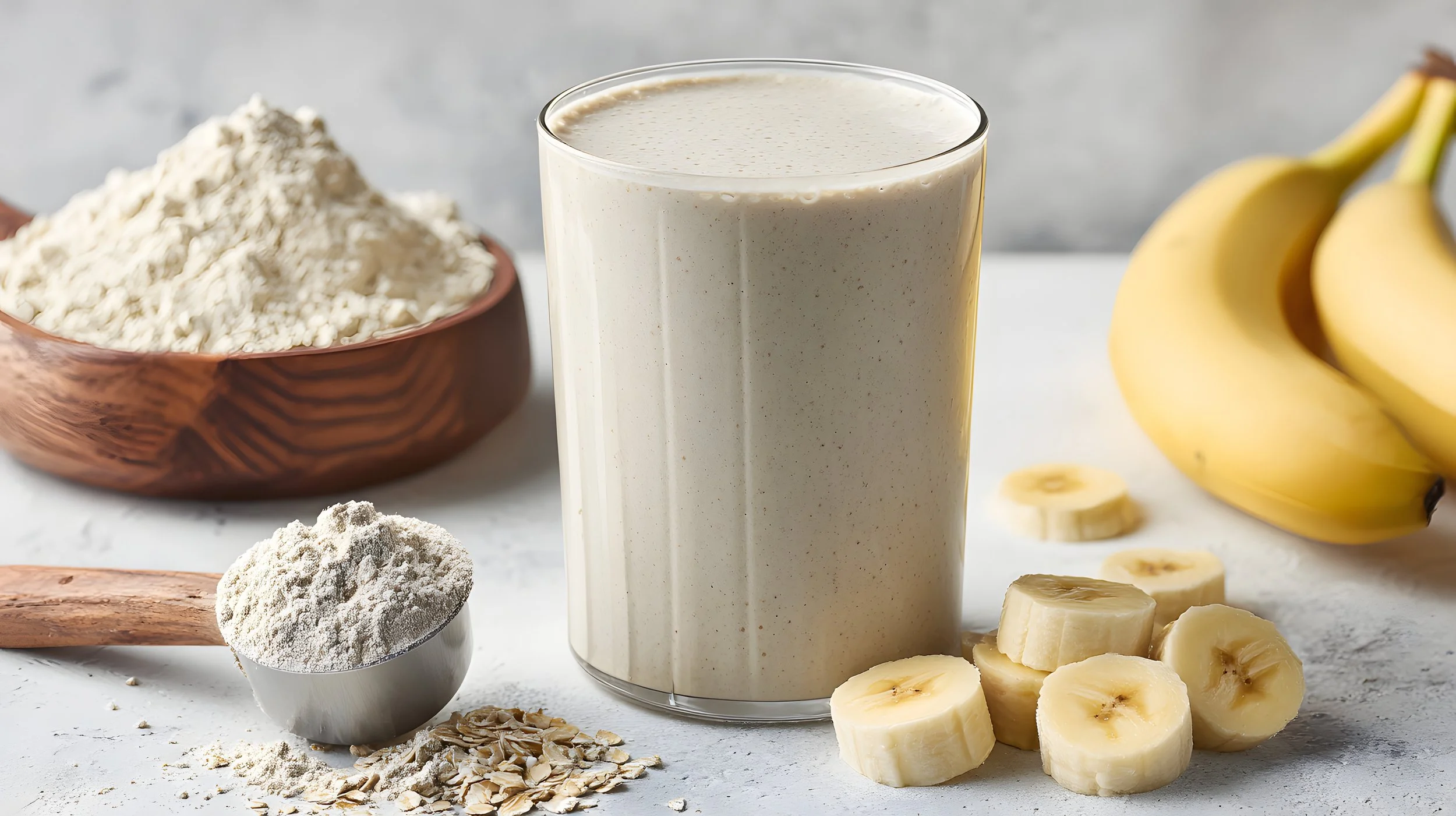
Signs a protein supplement might help you after 40
Protein powder often makes sense for women when:
• Appetite is low or meals feel too heavy
• Stress drives sugar cravings
• Late-night hunger impacts sleep
• Brain fog is intense
• Energy dips mid afternoon
• You are working on muscle tone and metabolic health
• Digestion needs something gentle and quick

Protein powder pitfalls most women don’t catch
Not all protein powders deserve space in the kitchen.
Here are the most common ingredients to be aware of:
❗ Artificial sweeteners (sucralose, aspartame) – these can disturb the gut microbiome
❗ Gums (xanthan, guar, cellulose) – thickening agents that can worsen bloating in sensitive guts
❗ Refined starch fillers (maltodextrin, modified starches, dextrose) – these dilute the protein and may spike glucose
❗ Strong synthetic flavours – when powders taste like dessert, they usually contain more additives than nutrients
❗ Anti caking agents (silicon dioxide) – these help flow but add nothing to nutrition
❗ “Meal replacement blends” thinly disguised as protein powders rarely contain enough vitamins or fibre to replace whole meals
Protein powders are a support act. They should never create more issues than they solve.
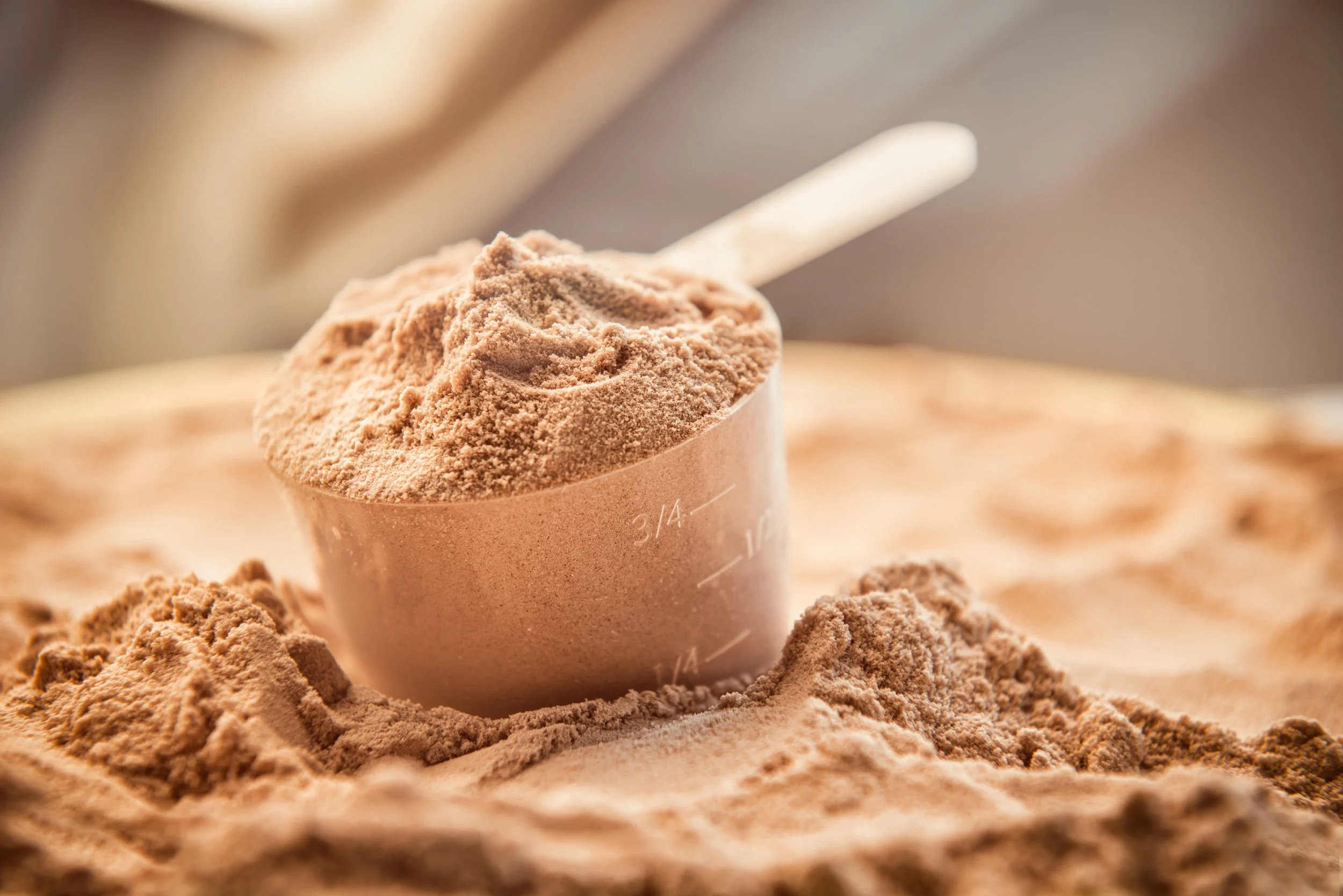
How to choose the best protein powder for women 40 plus
Here is my criteria for my 40 plus clients:
✔ 20–30g protein per serving for muscle, mood and satiety goals
✔ A short ingredient list, protein forward formula
✔ No artificial sweeteners if you are sensitive or bloat-prone
✔ Water filtered isolates or gentle spray dried when possible
✔ A protein type that suits your body – whey if dairy agrees, pea/rice/hemp if not
✔ A powder that supports, not spikes, blood glucose
Creative ways to use protein powder that are not boring
Protein powder works best when it becomes part of your meals, not a separate product you sip.
Here are more ways to do it well.
Breakfast and snacks
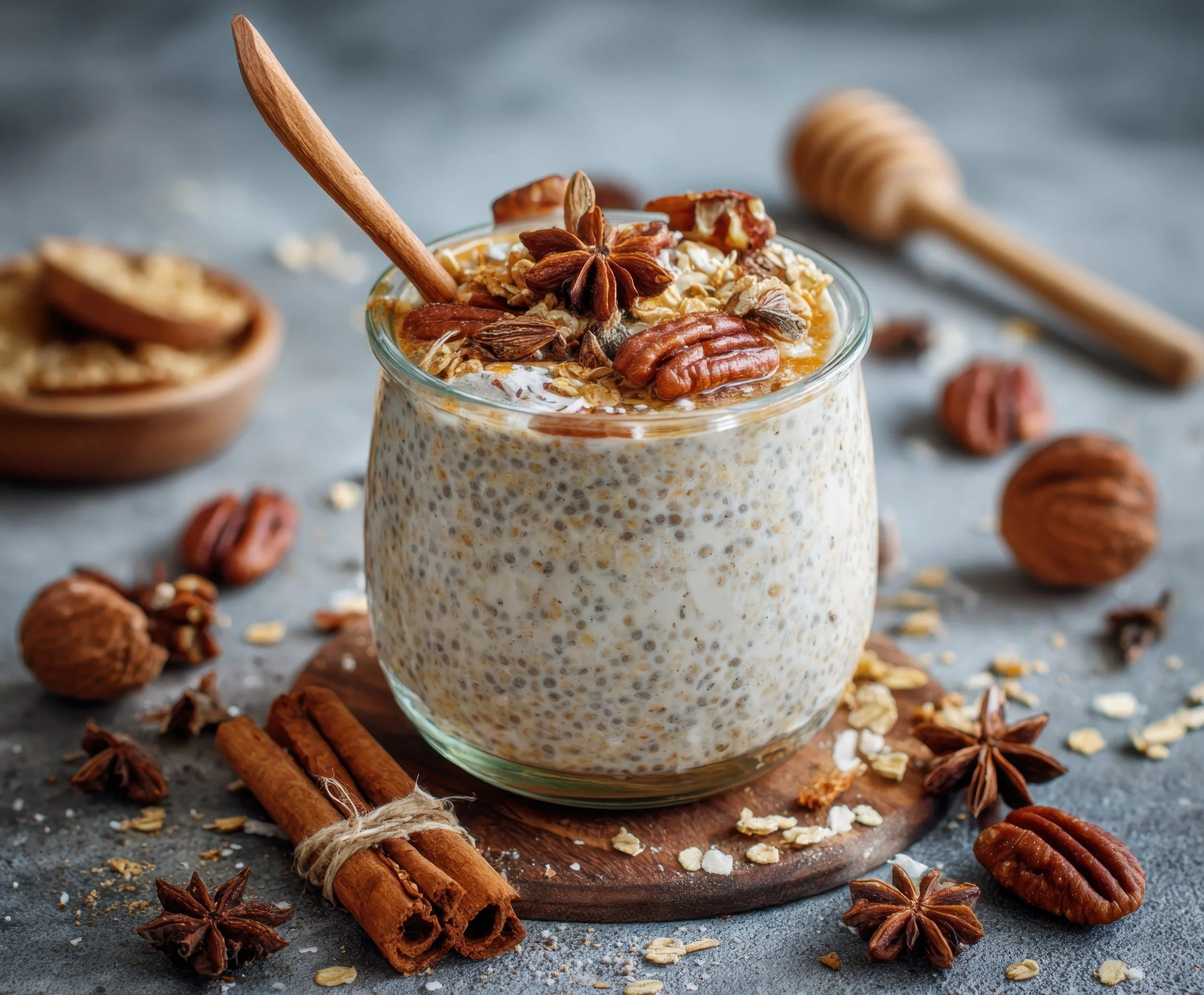
• Stir a scoop into your overnight oats before refrigeration (my favourite morning win)
• Mix into warm porridge with chia and cinnamon
• Stir into Greek yoghurt or Skyr with chia, kiwi and walnuts
• Blend into smoothies with spinach, flaxseed and berries if tolerated
• Mix into pancake batter on weekends for staying fuller longer
• Add to baked oat slices or bars for quick afternoon energy
Savoury ideas including freezer staples
• Warm Frozen Cauliflower and stir in protein, herbs, lemon zest and olive oil for a risotto-style bowl
• Blend into lentil, tomato or roasted vegetable soups after slight cooling
• Stir into mashed cauliflower or root veg sides for higher protein meals
• Mix into baked oatmeal slices before you bake them in the oven

Who should be cautious
You may want to avoid or test carefully if:
• Dairy sensitivity shows up
• Chronic bloating exists
• Gut dysbiosis is active
• Artificial sweeteners leave you feeling worse
Start with whole food protein and gut soothing first. Test again later if you want to.
Protein powders can help you keep consistent with nourishment on days when energy is low. But they are not a workaround for long-term nutrition. Most of the time, your body still wants colourful nutrient-dense meals it can absorb with fewer digestion complaints.
If you are reading this nodding your head, it means you are thinking about protein in the right way for 40 plus health. It is always easier to choose wisely when you understand how protein powders are made, what to look out for and how your body actually responds.
For a deeper dive into supporting your energy, hormones, skin and muscle tone without overcomplicating life, my book Have a Magnificent Menopause brings it all together. It is packed with practical solutions you can start using now. It also explains the nutrition, supplements and habits that support you inside and out in this stage of life.
Protein Powder Questions I Get Asked the Most
Can a protein powder really help low energy?
Yes, if it is protein-forward, cleanly processed and suits your digestion. Protein fuels mitochondria (your cell’s energy makers). It is not the powder itself that boosts energy. It is the amino acids your body absorbs from it.
Why do manufacturing methods matter so much?
Some protein ingredients are separated using chemical solvents like hexane. Some use water filtration. And some use harsher heat drying. Water-filtered protein made with gentle or low-heat drying tends to digest better. It also feels calmer in your gut.
What are fillers and why do some brands use them?
Fillers are ingredients added to improve texture, extend shelf life or reduce cost. Common ones include maltodextrin, modified starches, thickening gums and anti-caking agents like silicon dioxide. They add nothing to your nutrition. They can spike glucose or increase bloat. They are often used to reduce manufacturing cost or change texture.
Can fillers impact bloating in perimenopause or menopause?
Yes. Hormones already slow digestion for many women. Add gums and starch fillers and you can worsen bloating, trapped wind or sensitivity. A simpler powder is often a kinder move for a 40 plus gut.
Which protein processing is best tolerated for hormonal balance and digestion?
Water-filtered isolate proteins made with controlled, lower-heat drying or freeze drying when available. They tend to upset the body less and absorb more easily.
Who may not tolerate protein powders well?
Women who are dairy-sensitive, prone to chronic bloating, reactive to sweeteners, or dealing with active gut imbalance. If that is you, start with food-first protein. Then test powders once your gut is soothed and supported.
Should protein powder replace meals?
No. Real food supplies minerals, vitamins and fibre the body needs for hormone balance. Protein powders shine most when they support meals on low-energy or hectic days. Think of it as a supplement, not a swap for long-term nutrition.
References
Bauer, J., Biolo, G., Cederholm, T., Cesari, M., Cruz-Jentoft, A.J., Morley, J.E., Phillips, S., Sieber, C., Stehle, P., Teta, D., Visvanathan, R., Volpi, E. & Boirie, Y. 2013, ‘Evidence-based recommendations for optimal dietary protein intake in older people: A position paper from the PROT-AGE Study Group’, Journal of the American Medical Directors Association, vol. 14, no. 8, pp. 542–559.
Cravotto, C., Fabiano-Tixier, A-S., Claux, O., Abert-Vian, M., Tabasso, S., Cravotto, G. & Chemat, F. 2022, ‘Towards substitution of hexane as extraction solvent of food products and ingredients with no regrets’, Foods, vol. 11, no. 21, article 3412.
European Food Safety Authority (EFSA) 2024, ‘Technical report on the need for re-evaluation of the safety of hexane used as an extraction solvent in the production of foodstuffs and food ingredients’, EFSA Journal, vol. 21, no. 9, article 9001E.
Hetta, H.F., Sirag, N., Elfadil, H., Salama, A., Aljadrawi, S.F., Alfaifi, A.J., Alwabisi, A.N., AbuAlhasan, B.M., Alanazi, L.S., Aljohani, Y.A., Ramadan, Y.N., Abd Ellah, N.H. & Algammal, A.M. 2025, ‘Artificial sweeteners: A double-edged sword for gut microbiome’, Diseases, vol. 13, no. 4, article 115.
Hosseini, A., Barlow, G.M., Leite, G., Rashid, M., Parodi, G., Wang, J., Morales, W., Weitsman, S., Rezaie, A. & Pimentel, M. 2023, ‘Consuming artificial sweeteners may alter the structure and function of duodenal microbial communities’, iScience, vol. 26, no. 12, article 108530.
Kidangathazhe, A., Amponsah, T., Maji, A., Adams, S., Chettoor, M., Wang, X. & Scaria, J. 2025, ‘Synthetic vs. non-synthetic sweeteners: Their differential effects on gut microbiome diversity and function’, Frontiers in Microbiology, vol. 16, article 1531131.
Preece, K.E., Hooshyar, N., Krijgsman, A., Fryer, P.J. & Zuidam, N.J. 2017, ‘Whole soybean protein extraction processes: A review’, Food Hydrocolloids, vol. 68, pp. 216–227.
Putra, C., Konow, N., Gage, M., York, C.G. & Mangano, K.M. 2021, ‘Protein source and muscle health in older adults: A literature review’, Nutrients, vol. 13, no. 3, article 743, pp. 1–19.
Deutz, N.E.P., Bauer, J.M., Barazzoni, R., Biolo, G., Boirie, Y., Bosy-Westphal, A., Cederholm, T., Cruz-Jentoft, A., Krznariç, Z., Nair, K.S., Singer, P., Teta, D., Tipton, K. & Calder, P.C. 2014, ‘Protein intake and exercise for optimal muscle function with aging: Recommendations from the ESPEN Expert Group’, Clinical Nutrition, vol. 33, no. 6, pp. 929–936.
Coccurello, R. 2025, ‘Disrupting the gut–brain axis: How artificial sweeteners rewire microbiota and reward pathways’, International Journal of Molecular Sciences, vol. 26, no. 20, article 10220.